

 English
  Español
  عربى
عربى  русский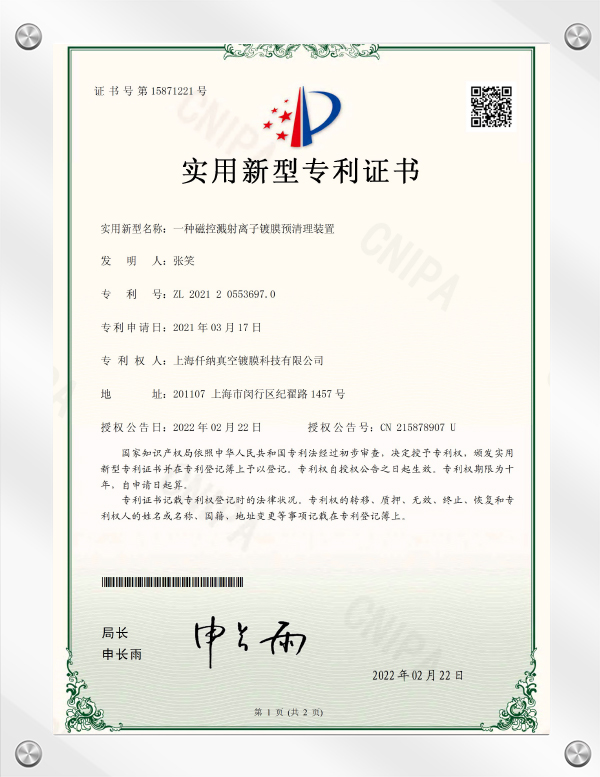
1. Product OverviewThe Multi-arc Hard Coating Machine is a high-performance vacuum deposition system...
+ VIEW MORE
TAC Coating Machine
1. Product Overview
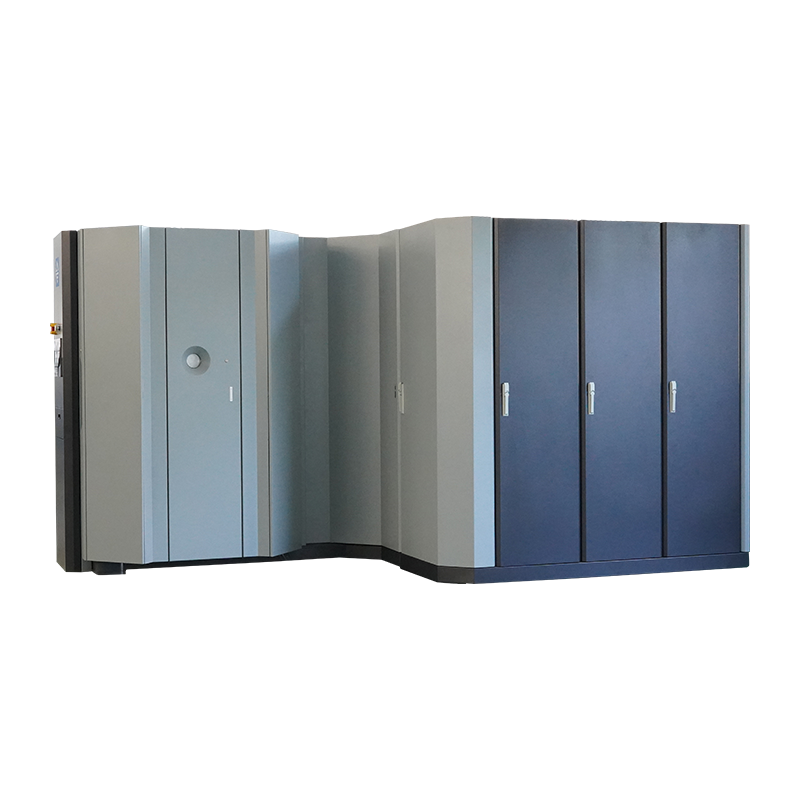
The TAC Coating Machine is a premier system engineered for the deposition of Tetrahedral Amorphous Carbon films—the industrial coating that most closely replicates the crystalline structure of natural diamonds. Characterized by its high $sp^3$ bonding ratio and hydrogen-free nature, the TAC film produced by this machine provides a formidable barrier against extreme mechanical stress. It is the ultimate choice for industries seeking to eliminate friction-induced energy loss and surface degradation in the most demanding operational environments.
2. Key Advantages
Edge-of-Industry Physical Properties: Extreme Hardness (1000-4000 HV): Delivers a rock-solid surface that withstands high-pressure contact and abrasive wear from hardened materials.
Ultra-Low Friction (Coeff. 0.05-0.1): Ensures superb self-lubricating performance, making it ideal for dry-running components and high-speed moving parts.
Superior Adhesion & Stress Management: Leveraging advanced film formation protection technology, the system effectively manages internal stress, securing a robust bond between the carbon matrix and the substrate.
High-Performance Architecture: Advanced Cathodic Arc Source: Specifically tuned for carbon ion production, achieving exceptional ionization rates and film density that standard systems cannot match.
3D Removable Rotating Rack: Allows for dynamic, multi-axis rotation, ensuring every micron of a complex component receives a uniform, high-quality coating.
Intelligent Operation & Expertise: Independent Operating System: Features a high-fidelity control interface for real-time monitoring of plasma parameters and automated process execution.
Professional Process Technology: Comes pre-configured with industry-specific recipes, ensuring rapid deployment for diverse manufacturing needs.
Visual Excellence: Produces a Superior Bright Black aesthetic, combining uncompromising technical utility with a premium, high-tech finish.
3. Product Applications
Tooling & Machining: High-end Cutting Tools (especially for non-ferrous metals) and Molds & Forming Tools requiring superior release properties.
Automotive & Fluid Power: Engine Components (tappets, pins), Compressor and Pump Parts, and other high-friction drivetrain elements.
Aerospace & Marine: Providing critical wear protection for Aerospace Parts and corrosion/erosion resistance for Marine & Offshore Equipment.
Precision & Medical Devices: Medical Devices requiring biocompatibility, Consumer Electronics wear parts, and high-speed Textile & Printing Machinery.
About Zenix
Shanghai Zenix Vacuum Coating Technology Co., Ltd.
Zenix Vacuum Coating Technology was established in 1985 and is a high-tech enterprise specializing in the R&D, manufacturing, and process solutions of vacuum coating equipment.
Originally founded as the Shanghai Branch of PLA Factory 9570, the company has evolved over decades into a professional vacuum coating equipment manufacturer and solution provider serving the global market.
We provide complete vacuum coating solutions for customers worldwide, covering hard coatings, decorative coatings, and functional coating systems, including advanced technologies such as DLC and Ta-C. We are China TAC Coating Machine Suppliers and Custom TAC Coating Machine Company, In addition, we offer related spare parts, targets, and comprehensive technical support services.
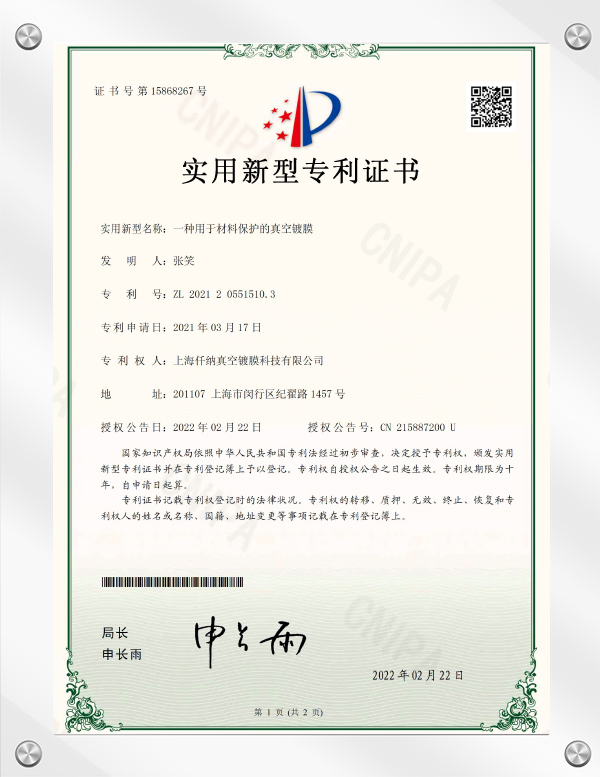
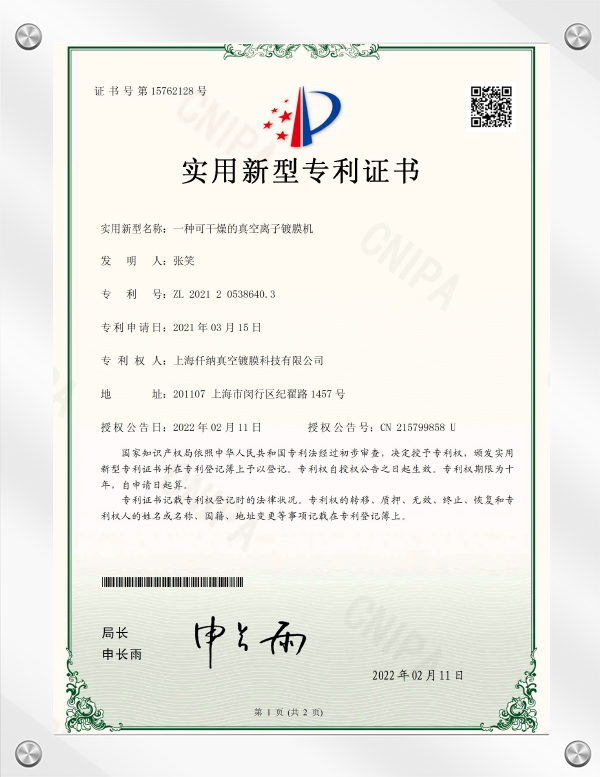
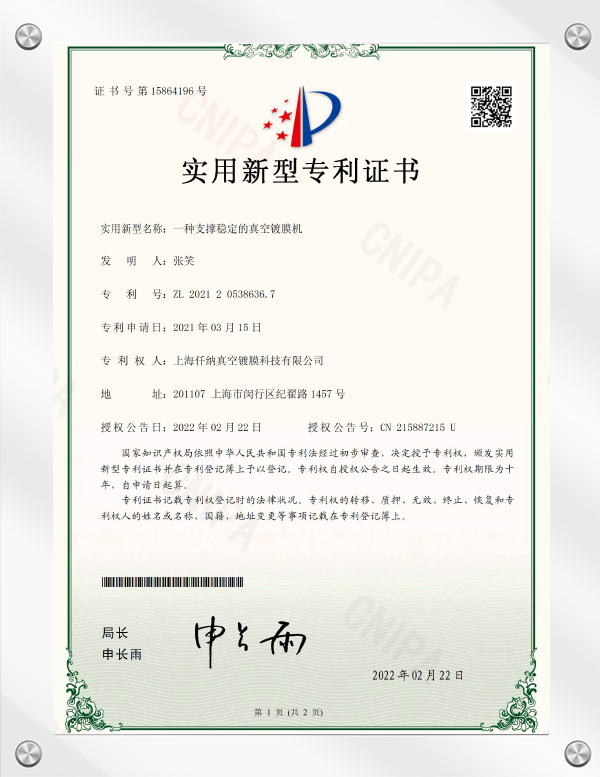
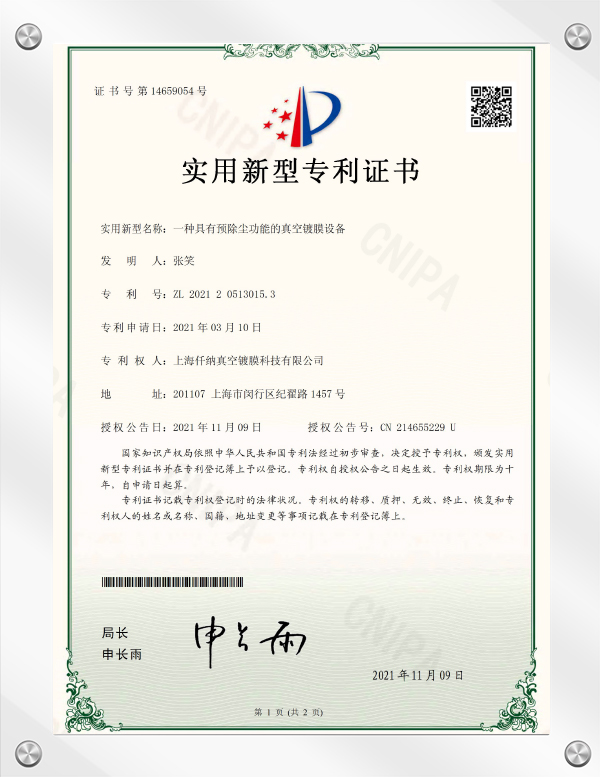
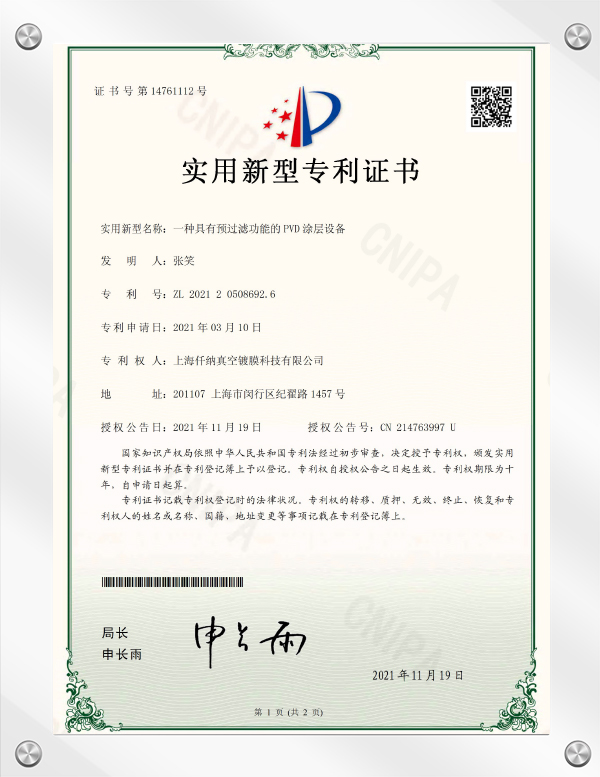
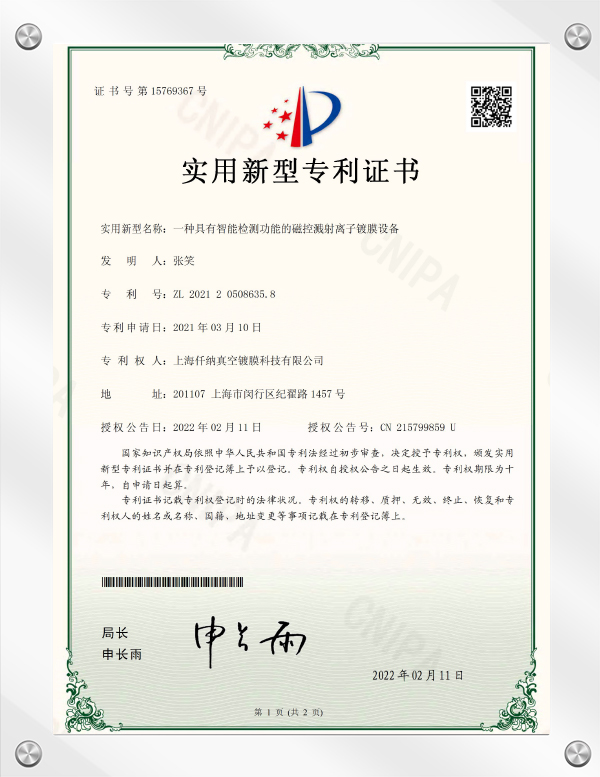
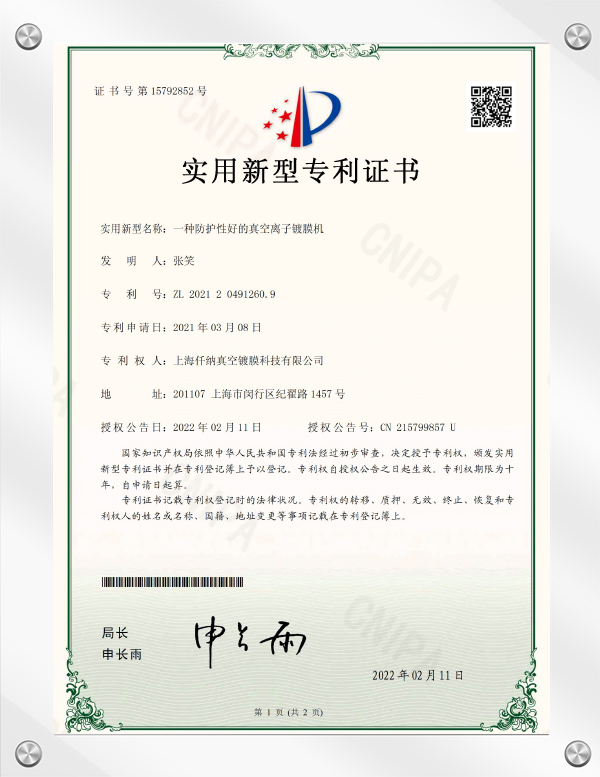
Certificate Of Honor
News & Information
Follow us for the latest company and industry news.
Related products
-
-
1. Product OverviewThe Sputtering Hard Coating Machine represents the pinnacle of precision in surfa...
+ VIEW MORE -
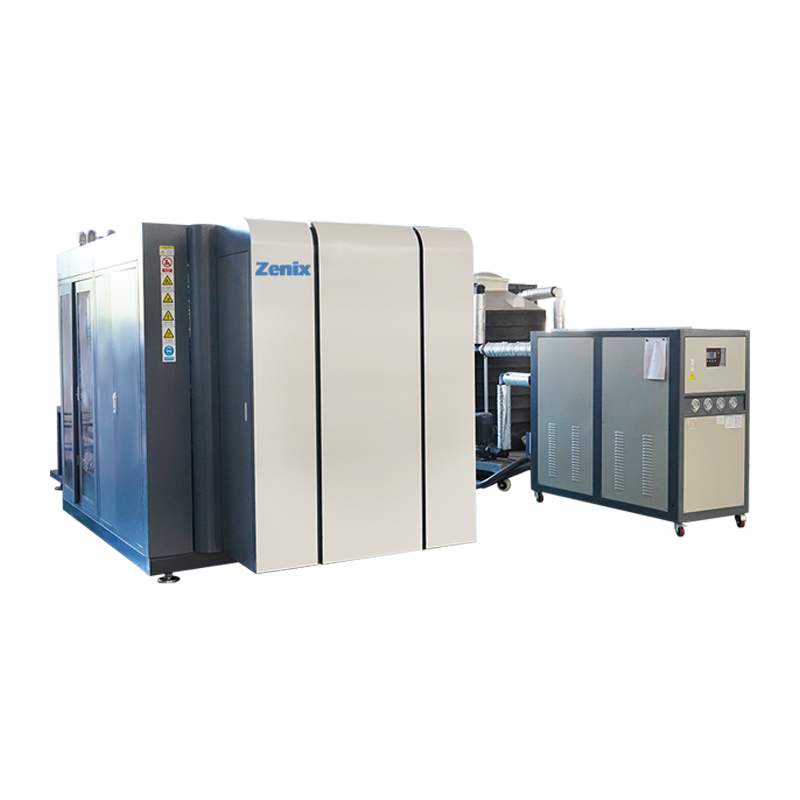
1. Product OverviewThe Composite Hard Coating Machines are specialized coating systems engineered to...
+ VIEW MORE -
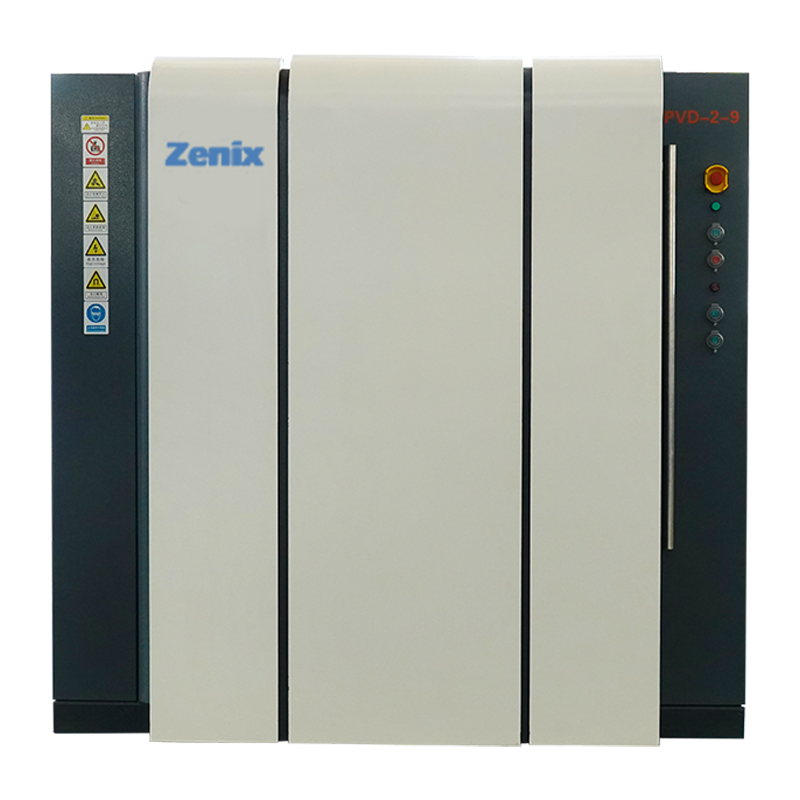
1. Product OverviewThe Multi-arc Decorative Coating Machine is a cutting-edge system designed to mer...
+ VIEW MORE -
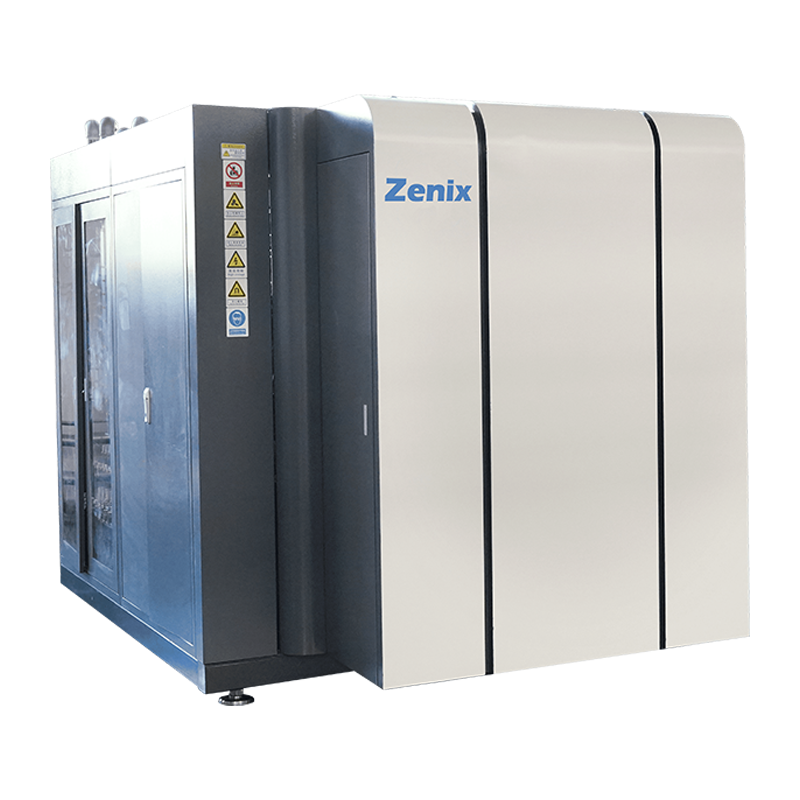
1. Product OverviewThe Sputtering Decorative Coating Machine is a precision-engineered system design...
+ VIEW MORE -
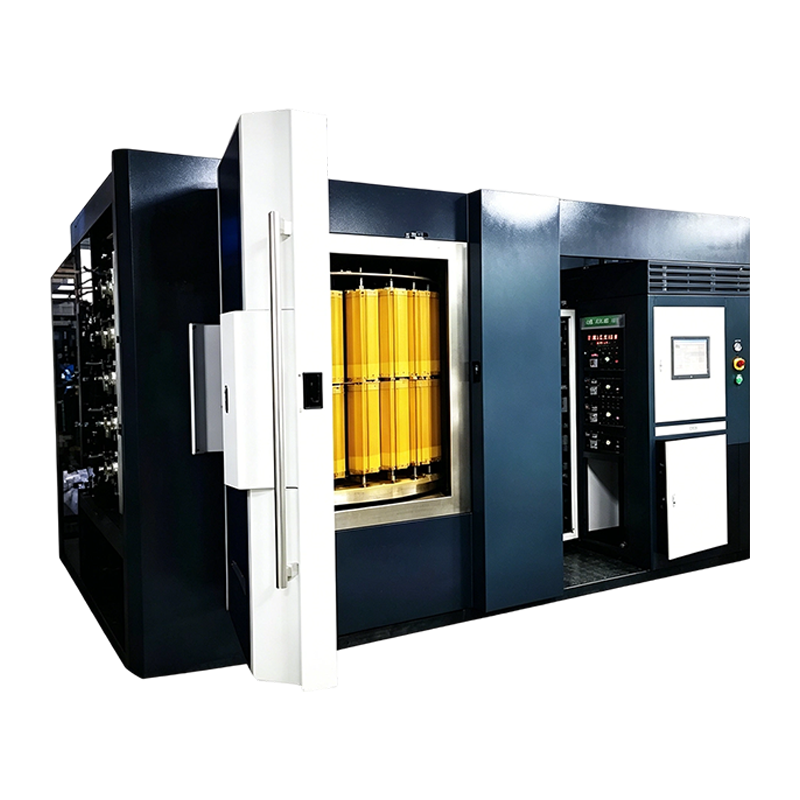
1. Product OverviewThe Composite Decorative Coating Machine is a revolutionary platform designed to ...
+ VIEW MORE
TAC Coating Machine Industry knowledge
What Is TAC Coating and Why Is It Replacing Traditional Chrome Plating?
For decades, hard chrome plating has been the industry standard for wear-resistant, low-friction surfaces across automotive, aerospace, and tooling applications. However, the environmental and health hazards associated with hexavalent chromium—a known carcinogen—have driven a global regulatory push toward safer alternatives. Tetrahedral amorphous carbon (TAC), also known as ta-C, has emerged as the leading replacement, offering superior mechanical properties without the environmental liability. A TAC coating machine deposits hydrogen-free, high-sp³ carbon films that match or exceed the performance of chrome plating while eliminating toxic waste streams. This article explores what TAC coating is, its fundamental advantages over traditional chrome plating, and the industries driving this transformative shift.
1. Defining TAC Coating and Its Core Advantages
Tetrahedral amorphous carbon is a form of diamond-like carbon distinguished by its exceptionally high sp³ bonded carbon content—typically 80–85%—and its hydrogen-free composition. This atomic structure gives TAC films properties that closely resemble natural diamond: extreme hardness (up to 4,000 HV), ultra-low friction coefficients (0.05–0.1), and outstanding adhesion. A TAC coating machine employs advanced cathodic arc technology, specifically tuned for carbon ion production, to generate a highly ionized plasma that deposits these dense, high-purity films. Unlike traditional DLC, which contains hydrogen and substantial sp² content, TAC is denser, harder, and more thermally stable.
The primary driver for replacing chrome plating is environmental regulation. Hard chrome plating uses hexavalent chromium (Cr⁶⁺), which the European Union, United States, and other jurisdictions have classified as a hazardous air pollutant and carcinogen. Chrome plating facilities require extensive ventilation, wastewater treatment, and hazardous waste disposal—adding significant costs and regulatory burdens. By contrast, the TAC coating machine operates in a vacuum environment, producing no liquid waste or hazardous air emissions. The PVD process uses solid carbon targets and inert gases, resulting in a coating process that is inherently clean and compliant with environmental standards.
Beyond environmental compliance, TAC delivers superior performance. The hydrogen-free nature of TAC eliminates the thermal degradation that can limit hydrogenated DLC films at temperatures above 300 °C. TAC coatings remain stable up to 500–600 °C, making them suitable for high-temperature applications where chrome plating would soften or oxidize. Furthermore, the TAC coating machine incorporates advanced film formation protection technology that effectively manages internal stress, enabling thicker coatings (up to 5–8 µm) without delamination—a critical requirement for heavy-duty wear applications. This combination of environmental safety, thermal stability, and exceptional tribological performance explains why TAC is rapidly displacing chrome plating across multiple industrial sectors.
2. Application-Specific Advantages Over Chrome Plating
2.1 Tooling and Machining
Cutting tools and forming dies represent one of the most demanding applications for wear-resistant coatings. Traditional chrome plating provides adequate hardness (800–1,000 HV) but suffers from limited lubricity and the risk of hydrogen embrittlement in high-strength steels. A TAC coating machine deposits films with hardness values four times higher than chrome, combined with a friction coefficient that reduces cutting forces and heat generation. For tools machining non-ferrous metals—aluminum, copper, and titanium alloys—TAC prevents built-up edge formation, extending tool life by 3–5 times compared to chrome-plated tools.
The superior adhesion of TAC films is particularly valuable in forming tools. Chrome plating can spall under high contact stresses, creating debris that damages workpieces and requires frequent re-plating. TAC coatings, with their advanced stress management, remain intact under severe deformation, reducing tool downtime and scrap rates. The 3D removable rotating rack system of the TAC coating machine ensures uniform coverage on complex tool geometries—end mills, taps, and forming dies with intricate profiles—eliminating the uneven coating thickness that plagues chrome plating on complex shapes. Zenix Vacuum Coating Technology, building on its 1985 heritage and deep expertise in functional coatings, offers TAC coating machines specifically optimized for tooling applications. The company's collaboration with the Chinese Academy of Sciences Institute of Mechanics has yielded proprietary cathodic arc parameters that achieve exceptionally high sp³ content and consistent film properties across large batch loads, ensuring that tool manufacturers can achieve superior performance while eliminating chromium waste.
2.2 Automotive and Fluid Power
Automotive engine components—tappets, piston pins, valve stems, and fuel system parts—historically relied on chrome plating for wear resistance and low friction. However, the increasing pressure for fuel efficiency and reduced emissions has exposed chrome's limitations. The superior friction reduction achieved by a TAC coating machine provides fuel savings of 2–4% in valvetrain applications, while the coating's high hardness reduces wear in high-pressure fuel systems operating at pressures exceeding 2,000 bar.
The thermal stability of TAC is a critical advantage for automotive applications. Chrome plating softens above 300 °C, losing its wear resistance in high-temperature zones. TAC maintains its hardness and lubricity at temperatures exceeding 500 °C, enabling its use in exhaust components and turbocharger applications where chrome plating would fail. The hydrogen-free nature of TAC also eliminates the risk of hydrogen embrittlement—a concern with chrome plating on high-strength steels. For fluid power components—pump pistons, cylinders, and valve spools—TAC's low friction coefficient reduces energy losses in hydraulic systems, contributing to overall system efficiency. Zenix Vacuum Coating Technology has leveraged its partnership with Fudan University's Department of Physics to develop specialized TAC processes for automotive components. The company's ISO 9001-certified manufacturing ensures that each TAC coating machine delivers consistent film quality, while its comprehensive support—including targets, spare parts, and process development—ensures that customers can maintain high production throughput while meeting environmental compliance targets.
2.3 Aerospace, Marine, and Precision Medical Devices
Aerospace components and marine equipment operate in some of the most aggressive environments—high corrosion potential, extreme temperature variations, and erosive conditions. Chrome plating has been used for hydraulic actuator rods, landing gear components, and fasteners, but its corrosion resistance is limited, and its environmental footprint is increasingly unacceptable in aerospace supply chains. A TAC coating machine provides superior corrosion and erosion resistance, with the dense, pinhole-free structure of TAC films offering a barrier that outperforms chrome in salt spray and acidic environments.
For medical devices, biocompatibility is paramount. TAC coatings are biologically inert, exhibiting excellent compatibility with bodily tissues and fluids. Unlike chrome plating, which can release toxic chromium ions in physiological environments, TAC remains stable and non-reactive. The coating's low friction also reduces wear debris generation in orthopedic implants and surgical instruments—a critical factor for patient safety. The sophisticated bright black aesthetic produced by the TAC coating machine also enhances the visual appeal of medical and aerospace components, combining technical performance with premium aesthetics. Zenix Vacuum Coating Technology, building on its collaboration with the University of Shanghai for Science and Technology's School of Materials, has developed specialized TAC processes for biocompatible and aerospace applications. These TAC coating machines incorporate advanced cathodic arc source designs and real-time plasma monitoring, ensuring that the coating meets the stringent quality and regulatory requirements of these safety-critical industries.
3. Comparative Performance: TAC vs. Hard Chrome Plating
The following table compares the key performance attributes of a TAC coating machine against conventional hard chrome plating.
| Property | TAC Coating | Hard Chrome Plating |
| Hardness (HV) | 2,500 – 4,000 | 800 – 1,100 |
| Friction Coefficient (dry) | 0.05 – 0.10 | 0.15 – 0.25 |
| Max Operating Temperature | 500 – 600 °C | 300 °C |
| Environmental Impact | Dry PVD, no hazardous waste | Hexavalent chromium, toxic waste |
| Hydrogen Embrittlement Risk | None | Significant (requires baking) |
| Typical Coating Thickness | 0.5 – 8 µm | 5 – 250 µm |
The data illustrates that a TAC coating machine delivers superior hardness, lower friction, higher thermal stability, and environmental safety compared to chrome plating—while eliminating the toxic waste streams and regulatory burdens associated with chromium electroplating.
4. Operational Workflow and Key Advantages
Deploying a TAC coating machine follows a structured process that ensures high-quality, consistent film deposition. The typical workflow includes substrate cleaning, plasma pre-treatment to activate the surface, and deposition using cathodic arc sources specifically tuned for carbon ions. The 3D removable rotating rack system ensures uniform coating on complex geometries, while the independent operating system provides real-time monitoring of plasma parameters and automated process execution.
Key advantages of the TAC coating machine that make it the superior choice over chrome plating include:
- Environmental compliance: Zero hexavalent chromium, no hazardous waste, and no need for expensive wastewater treatment or ventilation systems.
- Superior tribological performance: Higher hardness and lower friction coefficient translate to longer component life and reduced energy losses.
- Thermal stability: Maintains performance at temperatures that would soften or oxidize chrome plating.
- Uniform coverage: The 3D rotating rack ensures consistent coating on complex geometries, eliminating the non-uniformity common in electroplating.
- Bright black aesthetic: Combines uncompromising technical utility with a premium, high-tech finish.
Originating as a military-affiliated factory under the PLA General Logistics Department, Zenix Vacuum Coating Technology has carried forward a culture of precision and reliability into civilian manufacturing. This heritage is reflected in the robust construction of its TAC coating machines, which are designed for continuous 24/7 operation in demanding production environments. Beyond hardware, Zenix provides a full ecosystem of carbon targets, cathodic arc components, and process development services—ensuring that customers can transition from chrome plating to TAC with minimal disruption and maximum performance gains.
Frequently Asked Questions
Q1: How does TAC differ from conventional DLC coatings?
A1: A TAC coating machine produces hydrogen-free tetrahedral amorphous carbon with 80–85% sp³ bonding, compared to hydrogenated DLC which typically has 40–60% sp³ content and significant hydrogen. TAC is harder, denser, and more thermally stable (500–600 °C) than conventional DLC (limited to 300–350 °C), making it suitable for more demanding applications.
Q2: Can TAC coating completely replace chrome plating for thick-film applications?
A2: While a TAC coating machine typically deposits films of 0.5–8 µm—compared to chrome plating's 5–250 µm—TAC's superior hardness and wear resistance often compensate for the reduced thickness. For heavy wear applications, multiple-layer TAC systems or combined architectures can achieve the required durability without the environmental impact of chrome.
Q3: What is the cost comparison between TAC and chrome plating?
A3: Initial equipment cost for a TAC coating machine is higher than a chrome plating line. However, when factoring in regulatory compliance costs (wastewater treatment, hazardous waste disposal, ventilation, worker safety), operating costs are often comparable. The longer service life and superior performance of TAC coatings provide a lower total cost of ownership over the component's lifecycle.
Q4: What support does Zenix provide for transitioning from chrome to TAC?
A4: Zenix Vacuum Coating Technology offers comprehensive process migration support, including application-specific recipe development, on-site commissioning, and operator training. The company supplies high-purity carbon targets and spare parts for its TAC coating machines, ensuring that customers can achieve a seamless transition from chrome plating with optimized performance and minimal production interruption.
Product Categories
PVD Hard Coating Machine Decorative PVD Coating Machine Evaporation Coating Machine Functional Coating Machine Used Coating Machine Vacuum Pumps Pretreatment MachineContact Us
 [email protected]
 +86-15921261676
 Room 101, Building 4, Songgang Smart Valley, No. 1699 Songhua Road, Qingpu District, Shanghai, China
Copyright © Shanghai Zenix Vacuum Coating Technology Co., Ltd. Rights
Reserved
Custom TAC Coating Machine Suppliers & Company
