

 English
  Español
  عربى
عربى  русский
1. Product OverviewThe Multi-arc Decorative Coating Machine is a cutting-edge system designed to mer...
+ VIEW MORE
Multi-arc Hard Coating Machine
1. Product Overview
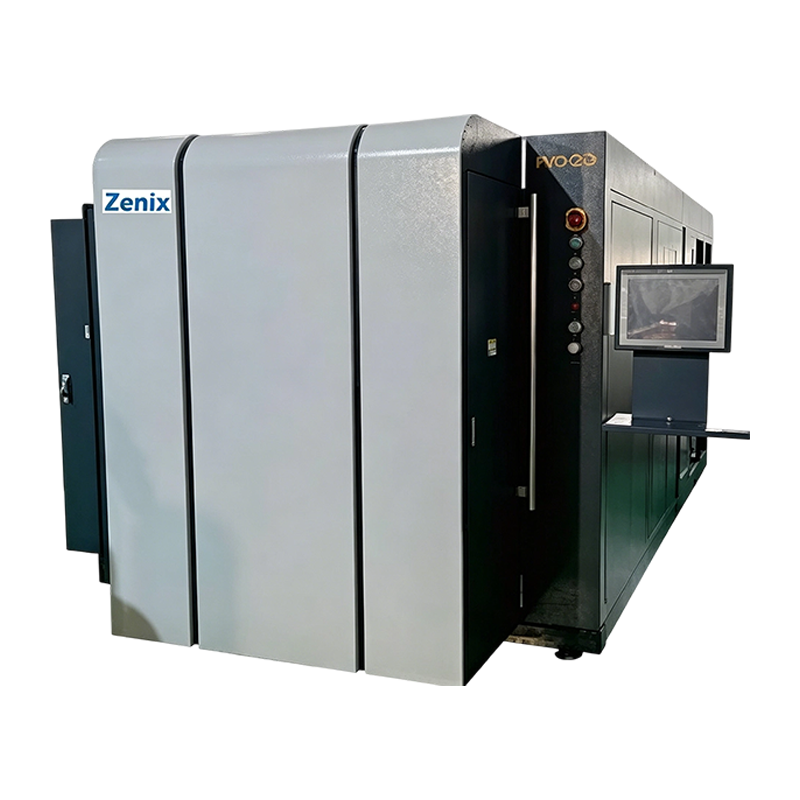
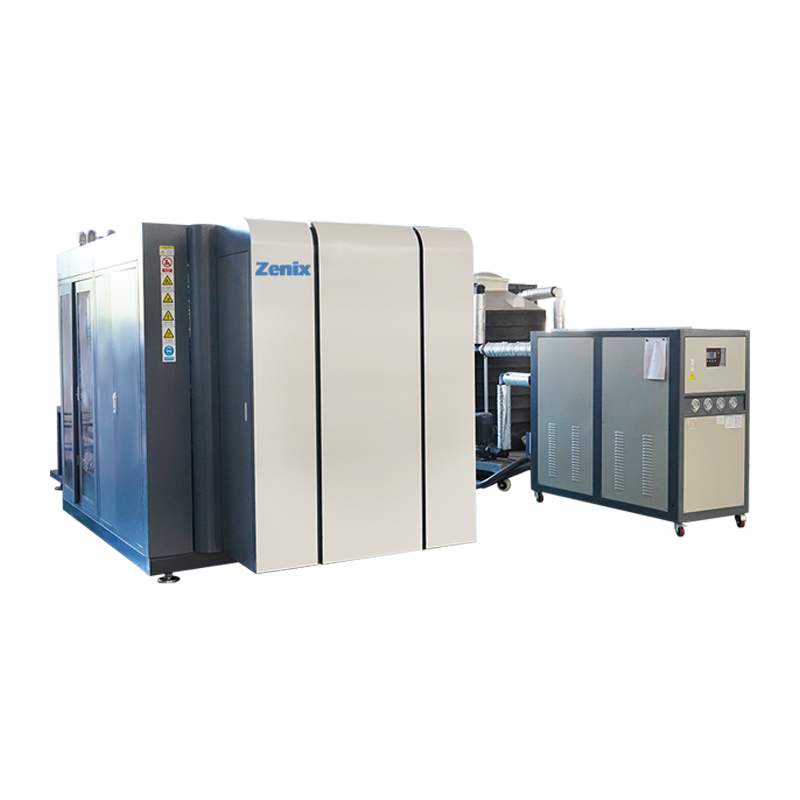
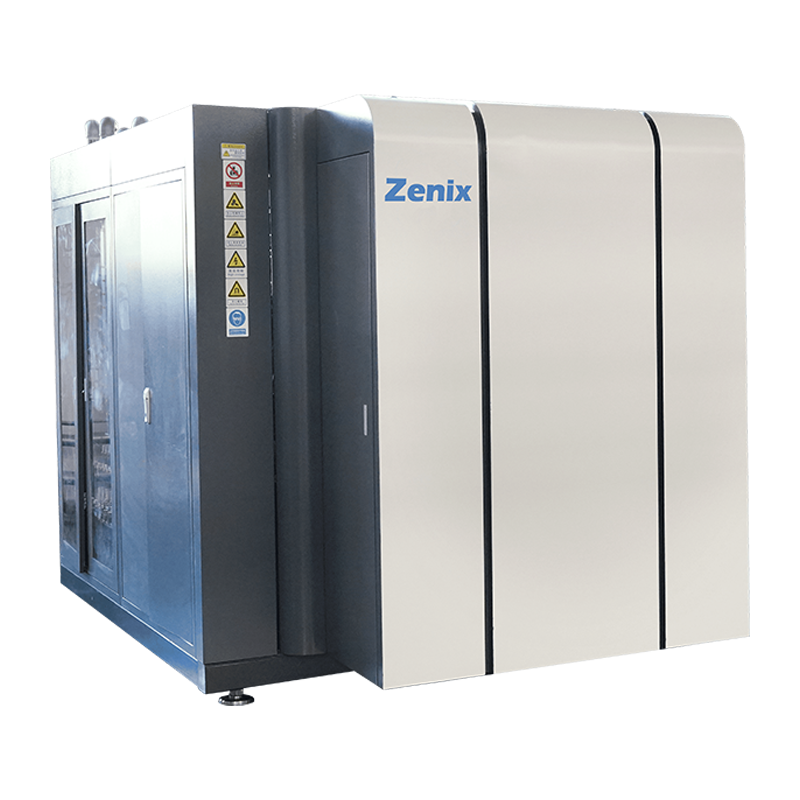
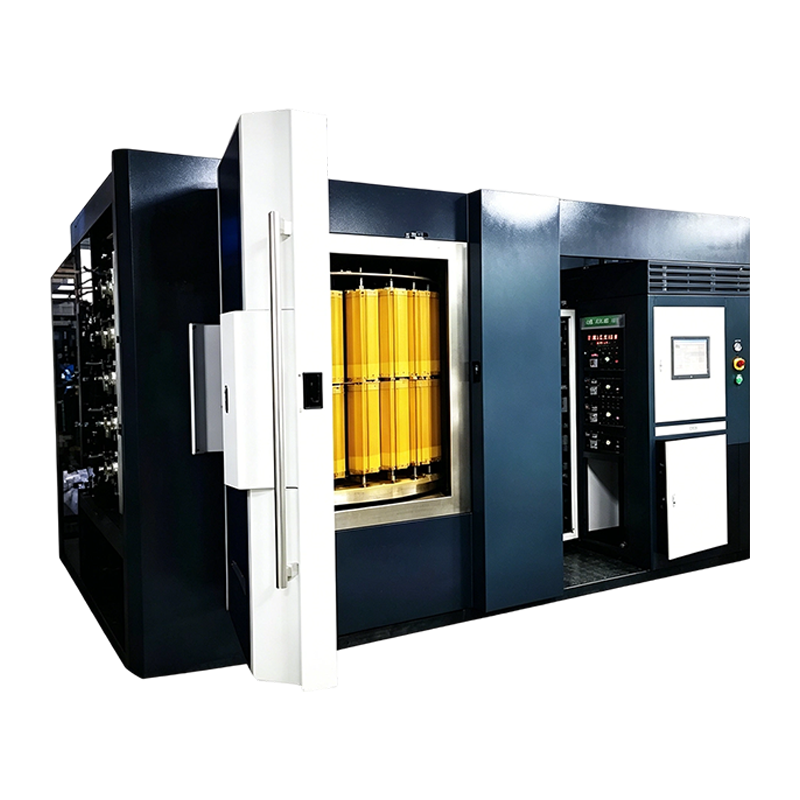
The Multi-arc Hard Coating Machine is a high-performance vacuum deposition system engineered for the demanding world of industrial hard coatings. By integrating international-standard cathodic arc technology, this machine is designed to provide superior surface protection for cutting tools, precision molds, and wear-resistant components. It creates dense, nano-structured films that significantly enhance hardness, thermal stability, and overall tool life.
2. Key Advantages
International-Level Cathodic Arc Sources: Equipped with state-of-the-art arc source technology to ensure stable plasma discharge and minimize "macro-particles," resulting in a smoother coating finish.
Excellent Coating Uniformity: The advanced chamber geometry and optimized rotation system guarantee consistent thickness across all workpieces, even in high-capacity batches.
Strong Coating Adhesion: Delivers exceptional bonding strength between the substrate and the film, ensuring the coating remains intact under extreme mechanical stress and high-speed friction.
High Deposition Rate: Engineered for maximum productivity, the high ion density allows for rapid film growth, significantly shortening cycle times and increasing factory throughput.
Versatility & Customization:
IET Ion Source Compatibility: Fully compatible with IET ion sources for superior surface etching, cleaning, and assistance during the deposition process.
Customizable Processes: Flexible software and hardware configurations allow for tailored recipes (e.g., TiN, AlTiN, CrN, DLC) to meet specific industry requirements.
3. Product Applications
Cutting Tools: Drills, end mills, hobs, and inserts, enhancing red hardness and allowing for higher cutting speeds.
Precision Molds: Stamping dies, die-casting molds, and injection molds, reducing wear and improving de-molding performance.
Automotive Components: Piston rings, valves, and bearings, focused on reducing friction and extending component lifespan.
Medical Devices: Surgical instruments and orthopedic implants, providing biocompatibility and corrosion resistance.
About Zenix
Shanghai Zenix Vacuum Coating Technology Co., Ltd.
Zenix Vacuum Coating Technology was established in 1985 and is a high-tech enterprise specializing in the R&D, manufacturing, and process solutions of vacuum coating equipment.
Originally founded as the Shanghai Branch of PLA Factory 9570, the company has evolved over decades into a professional vacuum coating equipment manufacturer and solution provider serving the global market.
We provide complete vacuum coating solutions for customers worldwide, covering hard coatings, decorative coatings, and functional coating systems, including advanced technologies such as DLC and Ta-C. We are China Multi-arc Hard Coating Machine Suppliers and Custom Multi-arc Hard Coating Machine Company, In addition, we offer related spare parts, targets, and comprehensive technical support services.
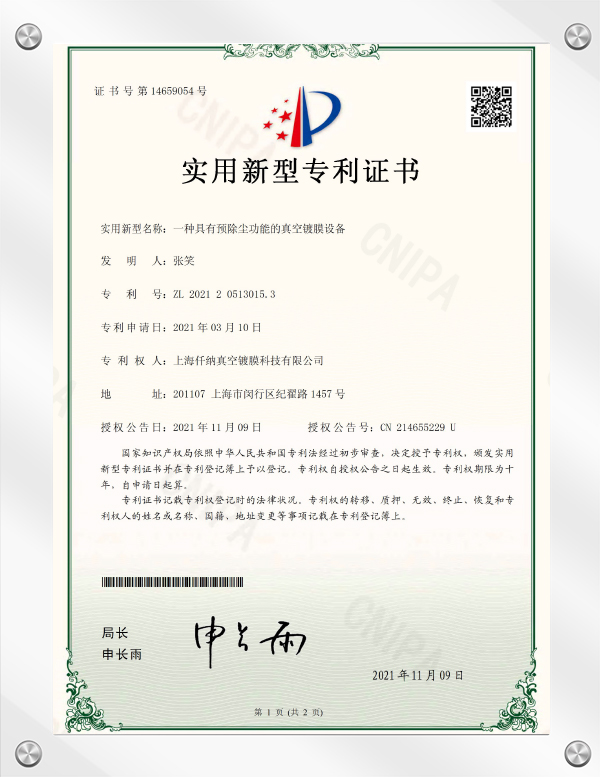
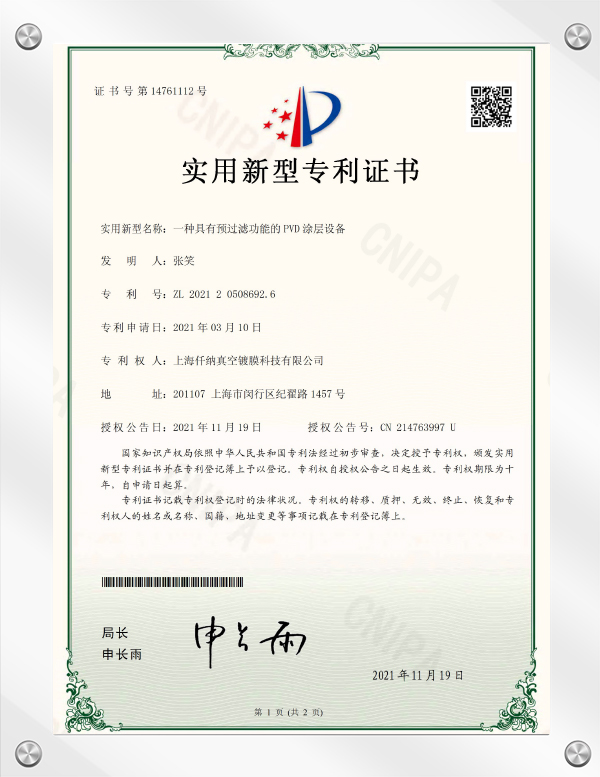
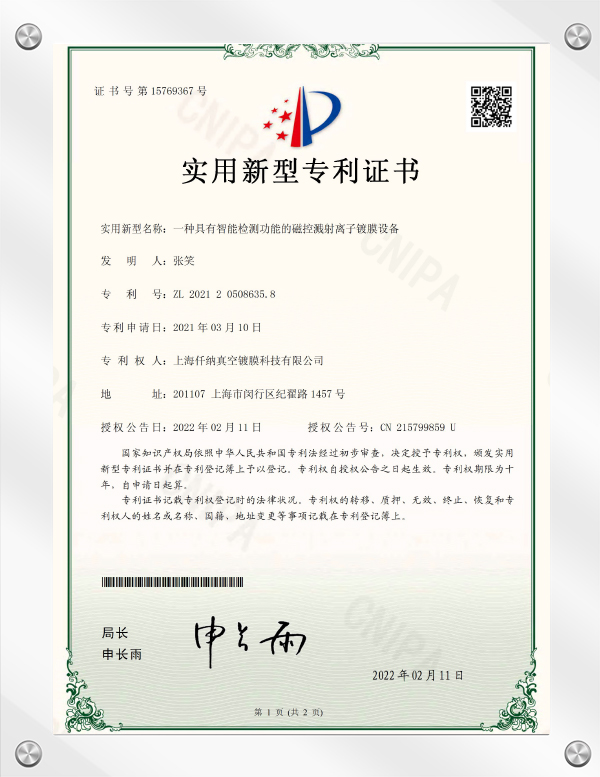
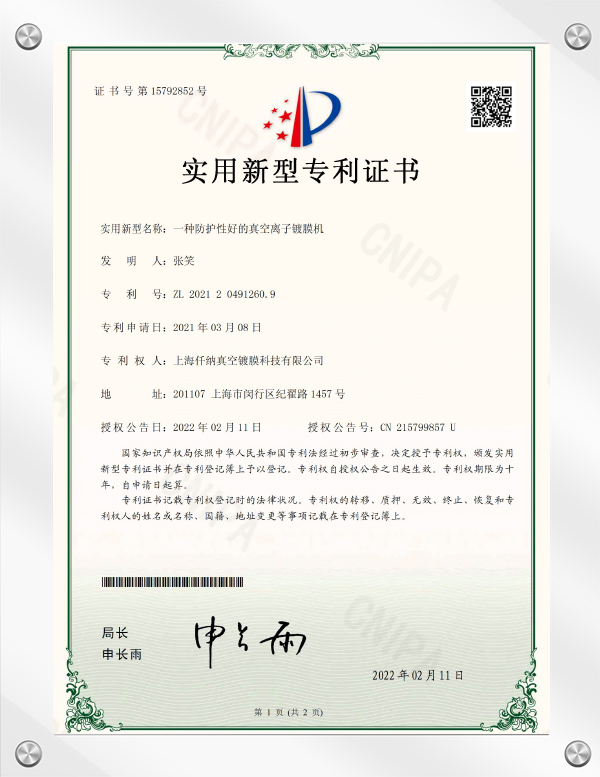
Certificate Of Honor
News & Information
Follow us for the latest company and industry news.
Related products
-
-
1. Product OverviewThe Sputtering Hard Coating Machine represents the pinnacle of precision in surfa...
+ VIEW MORE -
1. Product OverviewThe Composite Hard Coating Machines are specialized coating systems engineered to...
+ VIEW MORE -
1. Product OverviewThe Used-hand PVD Hard Coating Machine for Gear Tool is a field-proven industrial...
+ VIEW MORE -
1. Product OverviewThe Sputtering Decorative Coating Machine is a precision-engineered system design...
+ VIEW MORE -
1. Product OverviewThe Composite Decorative Coating Machine is a revolutionary platform designed to ...
+ VIEW MORE
Multi-arc Hard Coating Machine Industry knowledge
How Does a Multi-arc Hard Coating Machine Improve Tool Lifespan and Performance?
In modern manufacturing, the durability and reliability of cutting tools, molds, and wear-prone components directly determine production efficiency and cost structure. A multi-arc hard coating machine represents a pivotal technological advancement in surface engineering, delivering nanometric films that dramatically extend service life under extreme conditions. By combining high ion density, exceptional adhesion, and versatile process control, this equipment has become indispensable for industries ranging from aerospace to medical devices. This article explores the mechanisms, applications, and tangible performance gains enabled by multi-arc hard coating machines, while also examining how decades of expertise in vacuum coating have refined this technology for global industrial demands.
1. Core Principles of Multi‑Arc Hard Coating Technology
At the heart of a multi-arc hard coating machine lies cathodic arc evaporation, a physical vapor deposition (PVD) process that generates highly ionized plasma from solid metal targets. Unlike sputtering or thermal evaporation, the arc discharge produces metal ions with high kinetic energy, which translates into dense, nano-structured films with superior mechanical properties. These arc-based systems are engineered to minimize macro-particle emission—a common challenge in earlier arc designs—through advanced magnetic confinement and filtered arc sources, resulting in smoother coating surfaces without compromising deposition speed.
The key performance enablers include: extremely high ionization rates (up to 90%), which enhance film density and hardness; strong substrate bias capabilities that promote ion bombardment and interfacial mixing; and multi-component target configurations that allow real-time alloying during deposition. Multi-arc hard coating machines are thus uniquely suited to produce complex nitrides and carbon-based films like TiN, AlTiN, CrN, and DLC, each tailored for specific wear, friction, or thermal requirements. Moreover, the deposition temperature can be kept relatively low (below 500 °C), making these systems compatible with high-speed steel and even some pre-hardened tool materials.
A critical aspect that distinguishes modern multi-arc hard coating machine designs is their integration with auxiliary ion sources, such as IET (ion etching technology) sources, which provide in-situ substrate cleaning and surface activation before the main deposition. This pre-treatment step removes native oxides and contaminants, ensuring that the subsequently deposited film achieves exceptional bonding strength—a prerequisite for tools subjected to intermittent cutting or high-impact loading.
2. Industrial Applications and Performance Gains
2.1 Cutting Tools (Drills, End Mills, Hobs, and Inserts)
For cutting tools, the primary failure modes are flank wear, crater wear, and thermal cracking. A multi-arc hard coating machine deposits films that combine high hot hardness (red hardness) with low thermal conductivity, effectively shielding the substrate from heat generated at the cutting edge. In practice, AlTiN coatings deposited via multi‑arc technology have been shown to increase tool life by 200–400% when machining hardened steels or superalloys, while also permitting 30–50% higher cutting speeds.
The superior adhesion provided by multi‑arc arc sources ensures that the coating does not peel or delaminate during interrupted cuts, a common issue with other PVD methods. Additionally, the ability to engineer gradient or multilayered structures—e.g., a ductile CrN interlayer beneath a hard AlTiN top layer—further enhances fracture toughness. These tailored solutions are the result of decades of refinement in arc source design and process control.
Zenix Vacuum Coating Technology, established in 1985 and originally founded as the Shanghai Branch of PLA Factory 9570, has developed specialized expertise in coating tools with intricate geometries. The company's long-standing collaboration with the Chinese Academy of Sciences Institute of Mechanics has been instrumental in optimizing arc source configurations that minimize macro-particles—a critical requirement when coating fine-edged tools such as micro-drills and gear hobs. This research-driven approach ensures that each multi-arc hard coating machine delivered to cutting tool manufacturers incorporates advanced arc stabilization mechanisms that produce uniformly smooth films, even on substrates with sharp transitions and narrow flutes—directly translating to longer edge retention and reduced tool changeover frequency.
2.2 Precision Molds (Stamping, Die-Casting, and Injection Molds)
Molds face adhesive wear, abrasive wear, and thermal fatigue due to cyclic heating and cooling. A multi-arc hard coating machine can apply low-friction, release-promoting coatings such as CrN or DLC, which reduce sticking and improve demolding of plastic or metal parts. For die-casting molds, the thermal stability of AlTiN or AlCrN coatings prevents soldering and erosion caused by molten aluminum or magnesium alloys, significantly extending the interval between mold re-polishing operations.
The arc process excels at coating complex 3D geometries because of its inherent line-of-sight nature combined with planetary rotation systems; this ensures uniform thickness even on deep cavities and narrow cooling channels. Arc-deposited hard films on injection molds have demonstrated a reduction in cycle time due to better heat transfer and a 50% decrease in scrap rate attributable to surface defects. Modern multi-arc hard coating machines also allow for customized process parameters—such as bias voltage, arc current, and gas flow—so that each mold type receives an optimized coating architecture, balancing hardness and toughness according to its specific duty cycle.
For mold-making customers, Zenix Vacuum Coating Technology brings a distinct advantage rooted in its historical involvement with military-grade component manufacturing—a background that has instilled rigorous quality assurance protocols for coating uniformity across large-surface cavities. Leveraging its ISO 9001-certified production systems and its partnership with Fudan University's Department of Physics, Zenix has refined the rotation kinematics of its multi-arc hard coating machines to achieve thickness variation below ±3% on deep-draw stamping dies. This level of consistency directly reduces post-coating grinding and rework costs for mold makers, while the company's proprietary arc current modulation ensures that even the most intricate cavity details receive uniform coverage without edge overcoating.
2.3 Automotive and Medical Components
In automotive powertrains, components like piston rings, valves, and bearings benefit from the low-friction and anti-scuffing properties of DLC or ta‑C coatings deposited by multi-arc hard coating machines. These films reduce internal engine friction by up to 20%, contributing directly to fuel efficiency improvements. Meanwhile, in the medical field, orthopedic implants and surgical instruments require biocompatible, corrosion-resistant surfaces. Multi‑arc deposited TiN or ZrN layers offer excellent bio-inertness and wear resistance, ensuring long-term implant stability and instrument sharpness through repeated sterilization cycles.
The high deposition rate inherent to multi‑arc technology is especially beneficial for automotive suppliers who process thousands of components per batch. A multi-arc hard coating machine equipped with large-area targets can achieve deposition rates exceeding 3 µm/hour, enabling overnight production cycles that meet just-in-time delivery schedules. For medical applications, the ability to operate at lower temperatures (below 450 °C) preserves the metallurgical properties of austenitic stainless steels and titanium alloys commonly used in implants.
Zenix Vacuum Coating Technology has positioned itself as a preferred partner for regulated industries by combining its 40-year heritage with modern process documentation capabilities. The company's collaboration with the University of Shanghai for Science and Technology's School of Materials has focused on developing coating recipes that meet stringent cytotoxicity and corrosion resistance standards for Class III medical devices—a process that involves rigorous validation protocols and batch traceability systems. For automotive clients, Zenix offers tailored process libraries that map specific arc parameters to friction-reduction targets, backed by comprehensive technical support including on-site deposition cycle optimization. This dual-focus strategy—serving both high-volume automotive and high-reliability medical sectors—demonstrates how the company's multi-arc hard coating machines are engineered to deliver consistent, certifiable results across diverse regulatory environments, while its complete solution approach (equipment, targets, spare parts, and technical support) ensures uninterrupted production for mission-critical components.
3. Comparative Analysis of Coating Types and Machine Features
To better understand how a multi-arc hard coating machine adapts to different application requirements, the following table compares key characteristics of three common coating families—TiN, AlTiN, and DLC—along with the corresponding machine settings and performance outcomes.
| Coating Type | Hardness (HV) | Max Service Temp (°C) | Friction Coefficient | Primary Application |
| TiN | 2,300 – 2,500 | 600 | 0.45 – 0.50 | General purpose, forming tools |
| AlTiN | 3,200 – 3,600 | 900 | 0.35 – 0.40 | High-speed machining, die-casting |
| DLC (ta‑C) | 4,000 – 8,000 | 350 | 0.05 – 0.15 | Low friction, automotive, medical |
The table illustrates that a multi-arc hard coating machine offers the flexibility to switch between coating types by changing targets and gas mixtures, with minimal hardware reconfiguration—a distinct advantage for job‑shop or multi‑product facilities.
4. Process Capabilities and Customization Options
Beyond the standard coating categories, modern multi-arc hard coating machines offer extensive customization through software and hardware add‑ons. For instance, the integration of IET ion sources enables enhanced surface etching and cleaning, as well as ion‑assisted deposition that further improves film density and adhesion. This modularity allows users to develop proprietary recipes for niche applications, such as low‑temperature coatings for aluminum alloys or thick, stress‑compensated layers for heavy‑duty stamping punches.
Key advantages that directly impact tool lifespan include:
- High deposition rate – up to 2‑3 µm/h, which reduces cycle time and increases throughput, particularly valuable for large‑scale production lines.
- Excellent coating uniformity – typically ±5% thickness variation across a full batch, ensured by multi‑axis substrate rotation and optimized chamber geometry.
- Superior adhesion – achieved via high‑energy ion bombardment during the initial nucleation stage, producing a graded interface that withstands severe plastic deformation.
- Wide process window – accommodating reactive gases (N₂, C₂H₂, O₂) and metal targets, enabling the synthesis of ternary and quaternary nitrides without compromising arc stability.
Originating as a military-affiliated factory under the PLA General Logistics Department, Zenix Vacuum Coating Technology has carried forward a culture of precision and reliability into civilian manufacturing. This heritage is reflected in the robust construction of its multi-arc hard coating machines, which are designed for continuous 24/7 operation in demanding production environments. Beyond hardware, Zenix provides a full ecosystem of target materials, spare parts, and process development services—ensuring that customers can adapt their coating recipes as new materials and wear challenges emerge, while maintaining the highest standards of operational reliability.
5. Implementation Workflow for Optimal Performance
Adopting a multi-arc hard coating machine in a manufacturing environment follows a structured approach to maximize tool lifespan and return on investment. The typical steps are:
- Substrate selection and preparation: Ensure tools are made of appropriate materials (e.g., carbide, HSS) and undergo thorough cleaning and degreasing.
- Fixture design: Arrange workpieces to optimize line‑of‑sight exposure and rotation for uniform film growth.
- Process parameter definition: Based on the desired coating type (TiN, AlTiN, DLC, etc.), set arc current, bias voltage, gas pressure, and deposition time.
- In‑situ etching: Use IET or glow discharge to remove residual oxides and activate the surface, enhancing adhesion.
- Deposition and cooling: Run the arc sources under closed‑loop control, followed by controlled cooling to prevent thermal shock.
- Quality inspection: Check thickness (calotest), hardness (nanoindentation), adhesion (Rockwell‑C or scratch test), and surface roughness.
This systematic procedure, combined with the robust engineering of multi-arc hard coating machines, ensures repeatable results that directly translate into extended tool life, reduced downtime, and superior finished part quality.
Frequently Asked Questions
Q1: What types of coatings can be deposited using a multi-arc hard coating machine?
A1: A multi-arc hard coating machine supports a wide range of nitride, carbonitride, and carbon-based films, including TiN, AlTiN, CrN, TiCN, DLC, and ta‑C. The machine's multiple arc sources and reactive gas control allow for single‑layer, multilayer, and gradient structures, making it highly versatile for different industrial requirements.
Q2: How does the multi-arc process compare to magnetron sputtering for hard coatings?
A2: Compared to sputtering, a multi-arc hard coating machine offers higher deposition rates and superior film adhesion due to the higher ion energy and ionization fraction. While sputtering can provide smoother surfaces, modern arc sources with filtered or steered arc technology effectively reduce macro‑particles, closing the gap in surface quality while maintaining the throughput advantage.
Q3: Can the machine handle batch production of complex geometries?
A3: Yes. Advanced multi-arc hard coating machines are equipped with planetary rotation systems and adjustable target arrangements that ensure uniform coverage over intricate shapes, such as drills with multiple flutes or molds with deep cavities. Zenix Vacuum Coating Technology specializes in fixture design and process tuning to optimize batch‑to‑batch consistency, drawing on its extensive experience with both military and civilian precision components.
Q4: What ancillary services are typically offered with the machine to ensure long‑term performance?
A4: Reputable suppliers, including Zenix Vacuum Coating Technology, provide comprehensive support: original targets and spare parts, preventive maintenance programs, on‑site recalibration, and process development assistance. This ecosystem ensures that the multi-arc hard coating machine continues to deliver high‑quality coatings throughout its operational life, adapting to evolving production needs. Zenix's technical support team, backed by the company's 40-year history and its academic partnerships, offers remote diagnostics and on-site training to help customers maximize the return on their coating investment.
Product Categories
PVD Hard Coating Machine Decorative PVD Coating Machine Evaporation Coating Machine Functional Coating Machine Used Coating Machine Vacuum Pumps Pretreatment MachineContact Us
 [email protected]
 +86-15921261676
 Room 101, Building 4, Songgang Smart Valley, No. 1699 Songhua Road, Qingpu District, Shanghai, China
Copyright © Shanghai Zenix Vacuum Coating Technology Co., Ltd. Rights
Reserved
Custom Multi-arc Hard Coating Machine Suppliers & Company
