

 English
  Español
  عربى
عربى  русский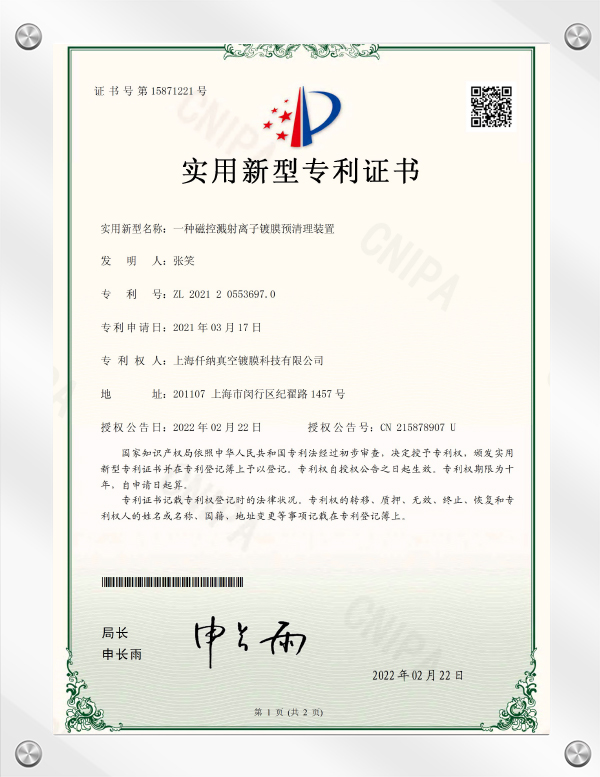
1. Product OverviewThe Sputtering Hard Coating Machine represents the pinnacle of precision in surfa...
+ VIEW MORE
Sputtering Decorative Coating Machine
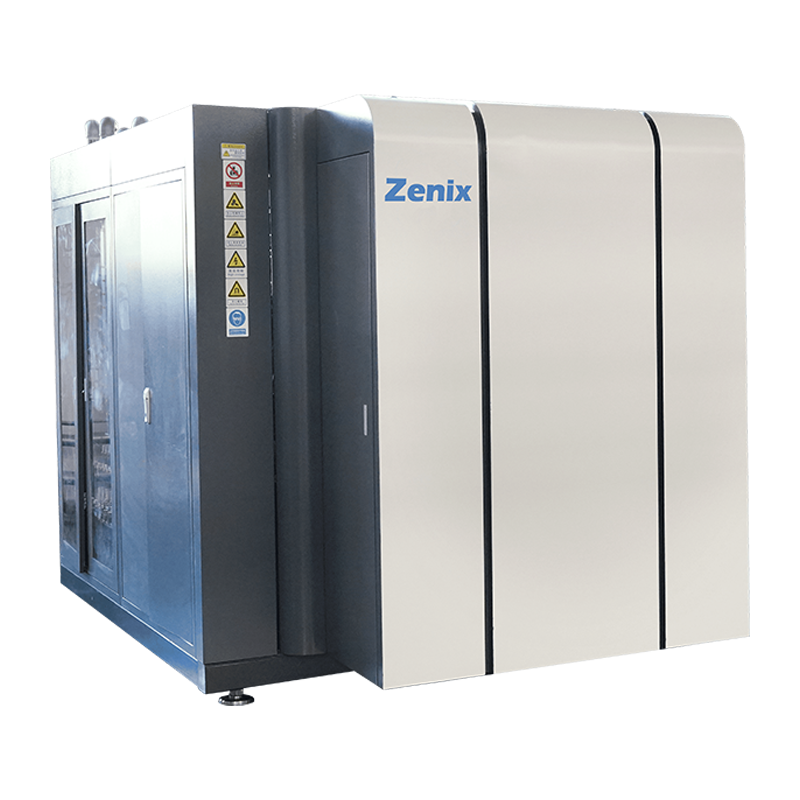
1. Product Overview
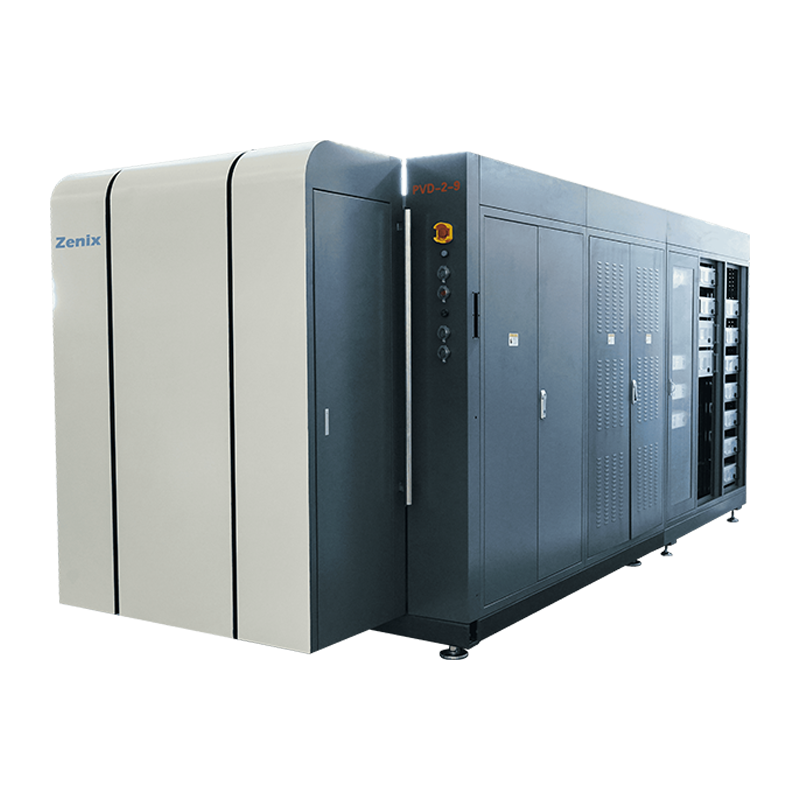
The Sputtering Decorative Coating Machine is a precision-engineered system designed for high-end products that demand an impeccable surface finish. By integrating mobile magnetron targets with mid-frequency sputtering technology, this machine enables the deposition of ultra-fine, uniform decorative films. It serves as the ultimate platform for applications where surface brilliance, color refinement, and microscopic smoothness are non-negotiable.
2. Key Advantages
Mobile Magnetron Targets: Featuring a dynamic target movement system that optimizes plasma distribution, ensuring perfectly consistent color and thickness even on components with complex 3D profiles.
Medium-Frequency Magnetron Sputtering: Utilizing MF pulse technology to effectively suppress arcing during the process, resulting in much denser film structures and enhanced process stability.
Superior Coating Uniformity: Advanced magnetic field engineering minimizes thickness variations across large surface areas, ensuring zero color deviation in mass production batches.
Excellent Coating Adhesion: High-energy ion bombardment during deposition creates a robust interfacial bond, allowing the coating to excel in rigorous salt spray and environmental durability tests.
Refined Film Structure for High-Gloss Products: The atom-by-atom sputtering process eliminates macro-particles, producing a flawless, silky-smooth finish that is ideal for preserving the mirror-like reflection of high-gloss substrates.
3. Product Applications
Premium Mobile Communication: Smartphone frames, camera rings, and ceramic backplates, achieving a jewel-like metallic luster.
Automotive Interiors: High-precision control knobs, door handles, and dashboard trims, providing a scratch-resistant finish with a premium tactile feel.
Optical Frames & Accessories: High-end eyewear, luxury pens, and lighter casings, adding vibrant colors while maintaining the precision dimensions of the original part.
Precision Horology: Watch dials, hands, and intricate case components, meeting the watch industry’s stringent standards for microscopic perfection.
About Zenix
Shanghai Zenix Vacuum Coating Technology Co., Ltd.
Zenix Vacuum Coating Technology was established in 1985 and is a high-tech enterprise specializing in the R&D, manufacturing, and process solutions of vacuum coating equipment.
Originally founded as the Shanghai Branch of PLA Factory 9570, the company has evolved over decades into a professional vacuum coating equipment manufacturer and solution provider serving the global market.
We provide complete vacuum coating solutions for customers worldwide, covering hard coatings, decorative coatings, and functional coating systems, including advanced technologies such as DLC and Ta-C. We are China Sputtering Decorative Coating Machine Suppliers and Custom Sputtering Decorative Coating Machine Company, In addition, we offer related spare parts, targets, and comprehensive technical support services.
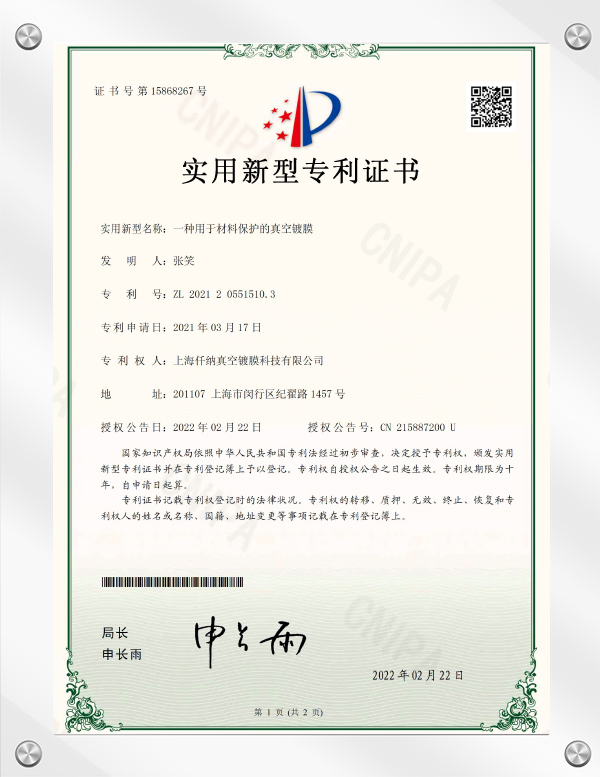
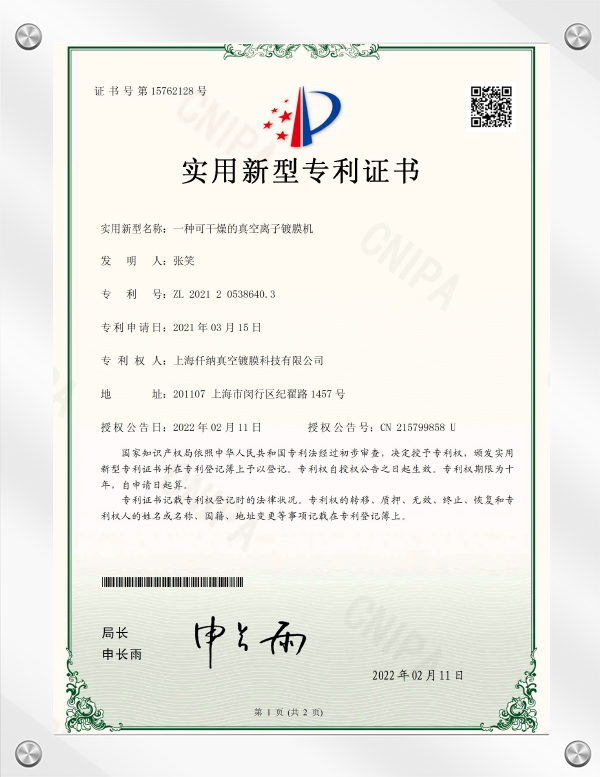
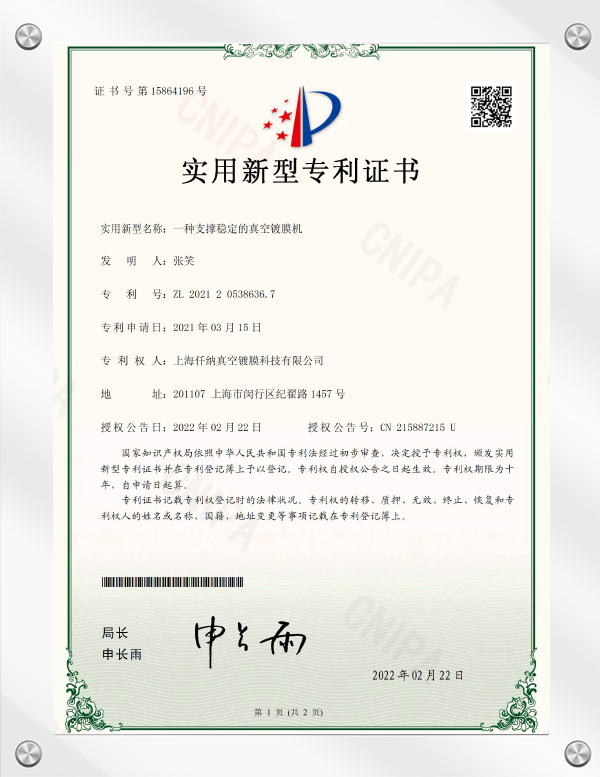
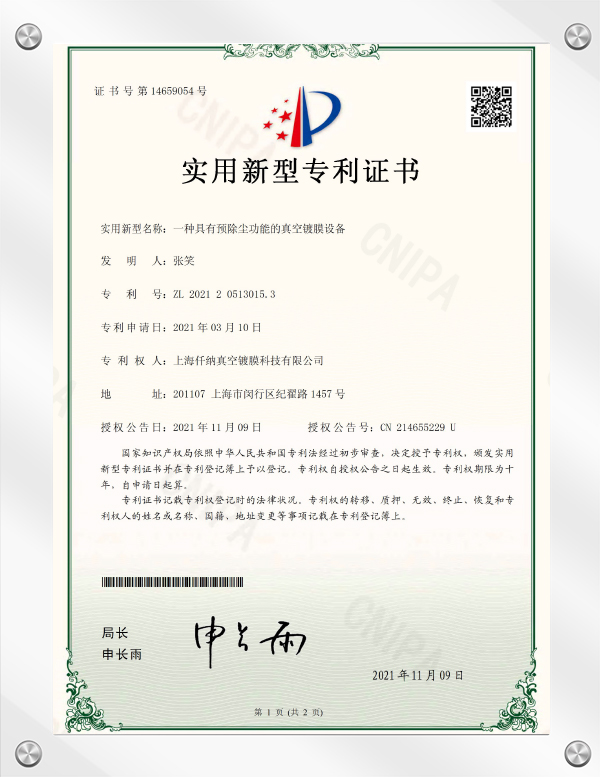
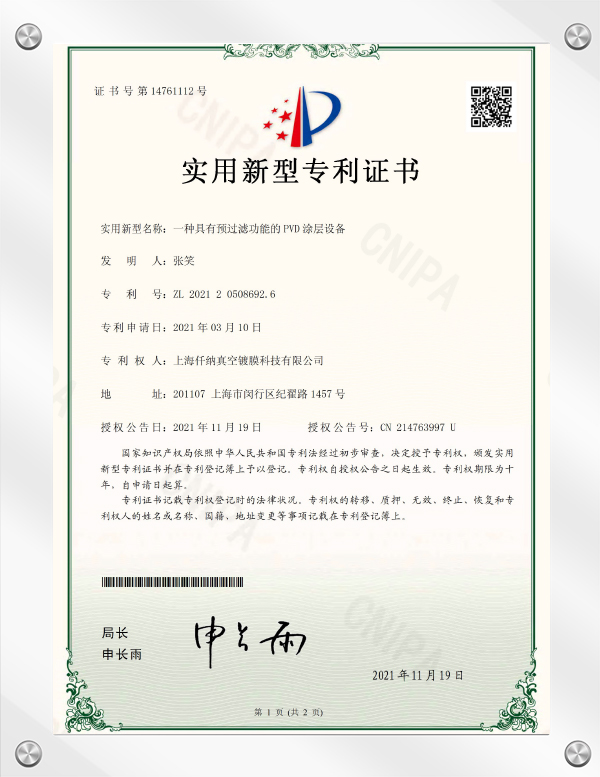
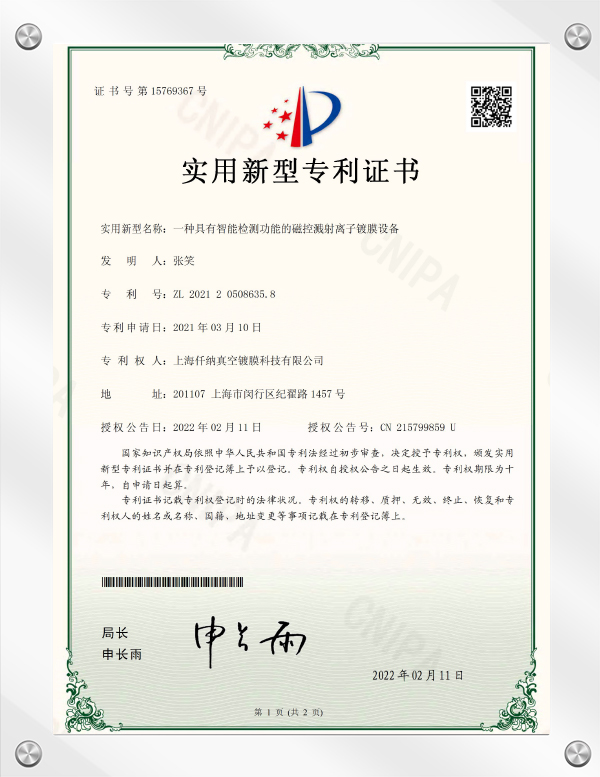
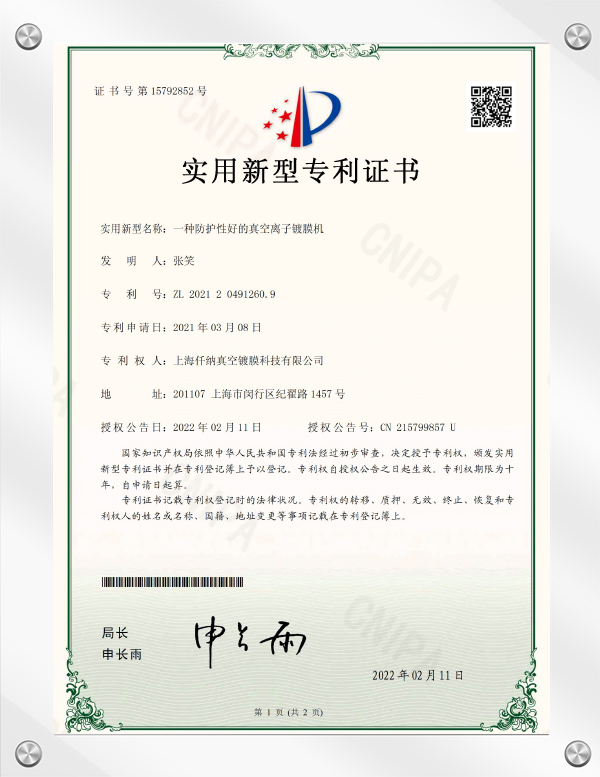
Certificate Of Honor
News & Information
Follow us for the latest company and industry news.
Related products
-
-
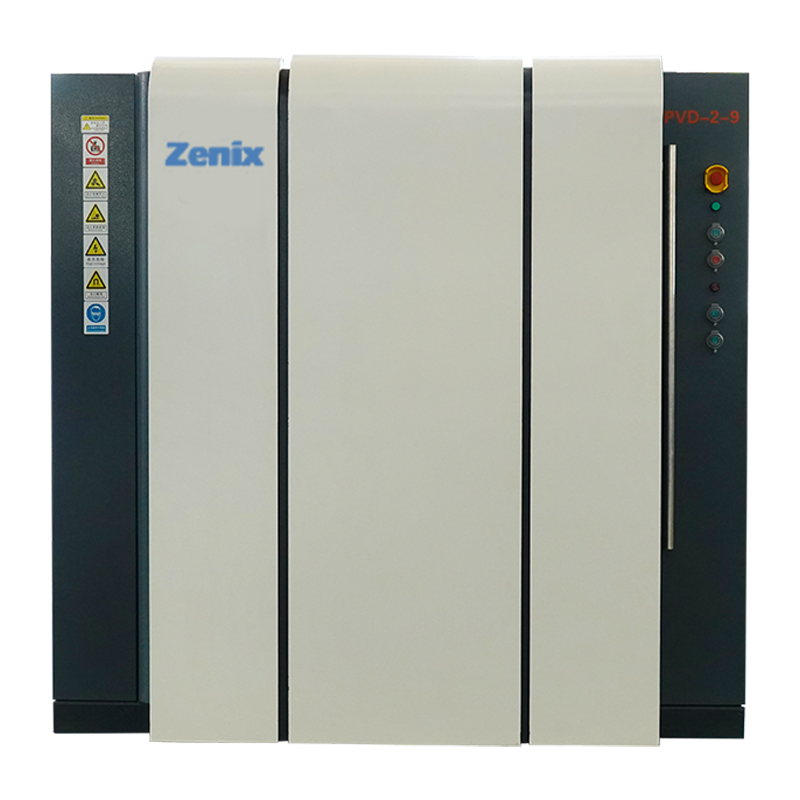
1. Product OverviewThe Multi-arc Decorative Coating Machine is a cutting-edge system designed to mer...
+ VIEW MORE -
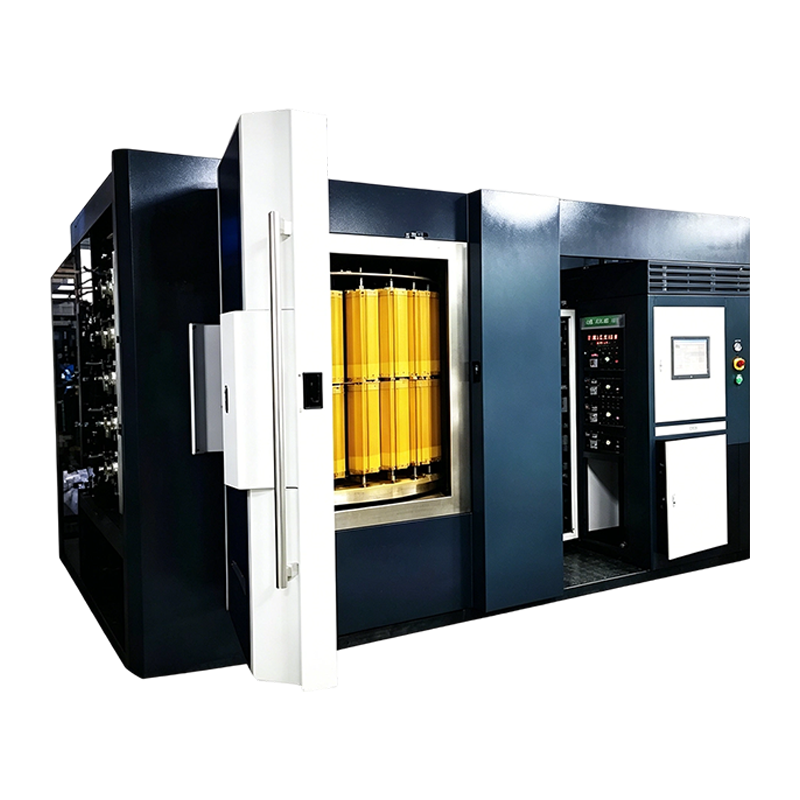
1. Product OverviewThe Composite Decorative Coating Machine is a revolutionary platform designed to ...
+ VIEW MORE -
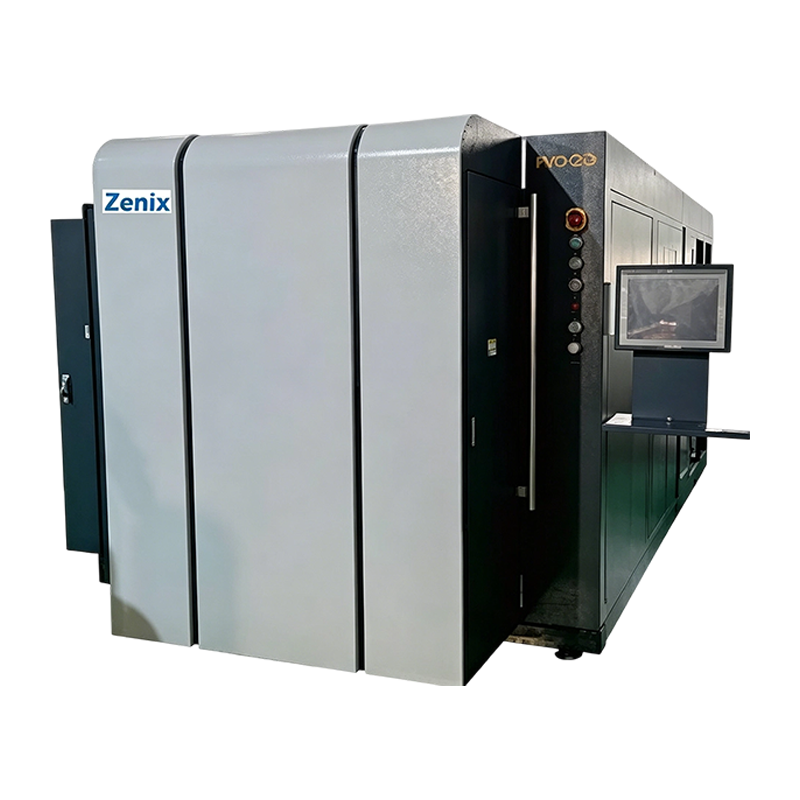
1. Product OverviewThe Multi-arc Hard Coating Machine is a high-performance vacuum deposition system...
+ VIEW MORE -
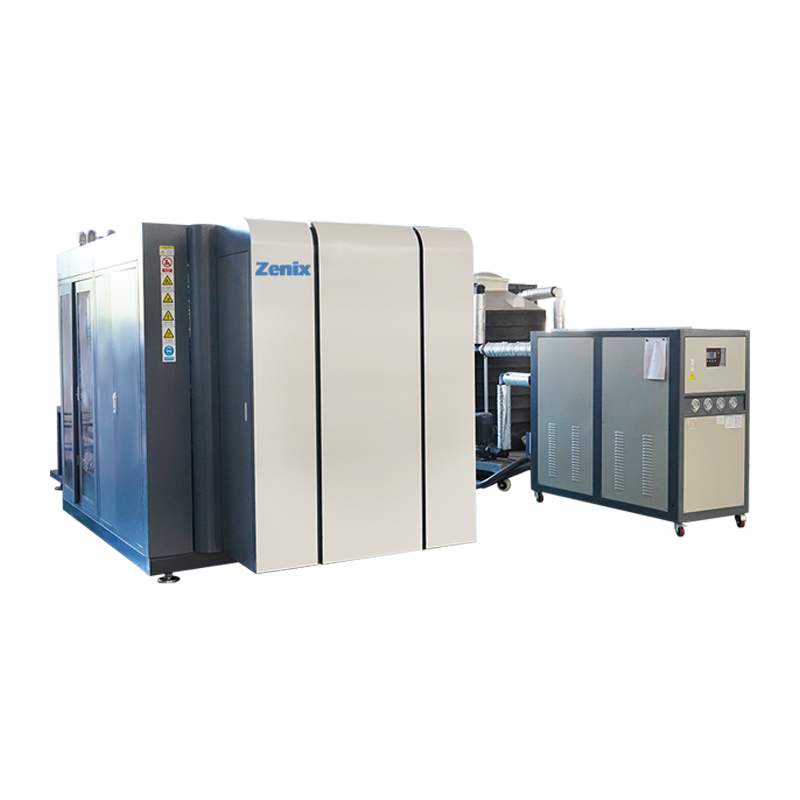
1. Product OverviewThe Composite Hard Coating Machines are specialized coating systems engineered to...
+ VIEW MORE -
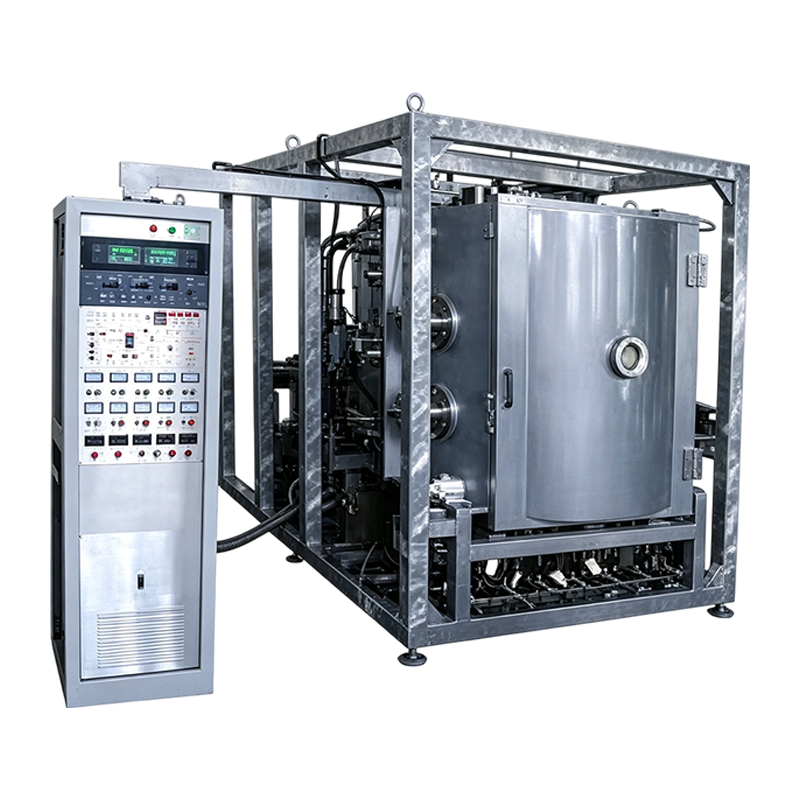
1. Product OverviewThe Composite Evaporation Coating Machine is an integrated, custom-engineered pla...
+ VIEW MORE
Sputtering Decorative Coating Machine Industry knowledge
How to Achieve Perfect Color Consistency with Sputtering Decorative Coating?
In the world of premium consumer goods, color is not merely an aesthetic attribute—it is a signature of quality and brand identity. Whether it is the rose gold frame of a luxury smartphone, the brushed titanium finish of an automotive dashboard knob, or the radiant dial of a haute horlogerie timepiece, achieving perfect color consistency across millions of parts is a formidable engineering challenge. A sputtering decorative coating machine addresses this challenge with exceptional precision. By leveraging mobile magnetron targets and medium-frequency sputtering technology, this system deposits ultra-fine, uniform films that eliminate the color drift and surface defects common in conventional coating methods. This article explores how the advanced capabilities of sputtering decorative coating machines enable manufacturers to achieve flawless color consistency, while also examining their application-specific advantages across several high-end industries.
1. Core Technology: Precision and Stability in Sputtering Decorative Coating
At the foundation of a sputtering decorative coating machine lies magnetron sputtering—a physical vapor deposition process that ejects target atoms through momentum transfer from energetic ions. Unlike cathodic arc, which generates macroparticles that compromise surface smoothness, sputtering is inherently droplet-free, producing atomically smooth films. The integration of mobile magnetron targets elevates this process further: the targets move dynamically during deposition, continuously redistributing the plasma flux to compensate for geometric shadowing and target erosion non-uniformities. This ensures that even components with complex 3D profiles—such as watch cases with undercuts or smartphone frames with chamfered edges—receive a perfectly uniform coating thickness, which directly translates to consistent color across every surface.
The application of medium-frequency (MF) magnetron sputtering technology—typically operating at 20–80 kHz—represents another critical advancement. MF pulsing suppresses arcing that can occur during reactive sputtering of insulating oxide or nitride films, a common source of defect formation and color variation. By maintaining stable plasma conditions, the sputtering decorative coating machine deposits dense, columnar-free films with uniform optical properties. The resulting coatings exhibit not only precise color coordinates (measured in ΔE values below 0.5) but also enhanced mechanical durability, as the dense microstructure resists scratching and environmental degradation.
Furthermore, the atom-by-atom deposition mechanism enables exceptional compositional control. By precisely adjusting reactive gas flows (nitrogen, oxygen, or acetylene) and power levels, a sputtering decorative coating machine can produce a virtually unlimited palette—from warm golds and cool silvers to deep blacks and iridescent blues—with batch-to-batch repeatability that is unmatched by electroplating or painting. This precision is the cornerstone of color consistency in mass production, where even slight deviations can lead to significant rejection rates and brand reputation damage.
2. Application-Specific Advantages
2.1 Premium Mobile Communication
The smartphone industry represents one of the most demanding applications for decorative coating. Smartphone frames, camera rings, and ceramic backplates are manufactured in batches of millions, and any perceptible color variation between units—or even within different surfaces of the same unit—is unacceptable to premium brands. A sputtering decorative coating machine meets this challenge through its dynamic target movement system, which optimizes plasma distribution across large-area substrates. The mobile magnetron targets continuously sweep across the chamber, ensuring that every part of the substrate receives identical ion flux, regardless of its position relative to the targets.
The MF sputtering technology also contributes significantly to color consistency by preventing process drift. In reactive sputtering, target poisoning—the formation of insulating layers on the target surface—can cause gradual changes in deposition rate and film stoichiometry, leading to color shift over time. The MF pulse effectively cleans the target surface during each pulse cycle, maintaining a constant deposition rate and stable film composition throughout extended production runs. This stability ensures that the first batch and the hundredth batch exhibit identical color coordinates, a critical requirement for high-volume consumer electronics manufacturing. Zenix Vacuum Coating Technology, drawing on its 1985 heritage and its partnership with Fudan University's Department of Physics, has refined the target motion algorithms and power modulation schemes for its sputtering decorative coating machines, achieving color consistency within ΔE < 0.3 across full production campaigns—a benchmark that satisfies the most exacting smartphone OEMs.
2.2 Automotive Interiors
Automotive interior components—control knobs, door handles, dashboard trims—require coatings that combine aesthetic refinement with exceptional durability. These parts are subjected to intense UV exposure, temperature cycling, and repeated human contact, all of which can degrade lesser coatings. A sputtering decorative coating machine deposits dense, corrosion-resistant films that retain their color and gloss under these harsh conditions. The high-energy ion bombardment inherent to the sputtering process creates an exceptionally strong interfacial bond between the film and the substrate, ensuring that the coating does not delaminate or discolor over the vehicle's lifetime.
The ability to produce a refined film structure—free of macroparticles and characterized by a smooth, silky surface—is particularly valuable for automotive interiors. The tactile feel of a coated surface is a key differentiator in premium vehicles, and the atomically smooth finish produced by the sputtering decorative coating machine provides a luxurious touch that complements the visual appeal. Moreover, the system's low deposition temperature (typically 150–250 °C) ensures compatibility with the polymer substrates and lightweight alloys increasingly used in modern vehicle interiors, avoiding distortion or degradation of these heat-sensitive materials. Zenix Vacuum Coating Technology has developed specialized process recipes for automotive applications through its collaboration with the University of Shanghai for Science and Technology's School of Materials, focusing on UV stability and scratch resistance. Each sputtering decorative coating machine delivered to the automotive sector includes application-specific parameter libraries and on-site commissioning, enabling Tier 1 suppliers to rapidly achieve color targets that align with the design studios' specifications.
2.3 Optical Frames, Accessories, and Precision Horology
High-end eyewear, luxury pens, lighter casings, and precision timepieces represent the pinnacle of decorative finishing. These products demand not only brilliant color and gloss but also microscopic perfection—any surface defect, no matter how small, is immediately visible under magnification. The sputtering decorative coating machine excels in these applications because its droplet-free deposition process produces films with exceptional smoothness, preserving the precision dimensions and fine details of the original components. For watch dials and hands, the coating must be uniform to a fraction of a micron to ensure that the delicate engravings remain crisp and legible.
The mobile magnetron target system is particularly beneficial for these complex geometries. Watch cases often feature intricate curves, undercuts, and raised bezels; the dynamic motion of the targets ensures that the plasma flux reaches all surfaces evenly, eliminating the shadowing effects that plague fixed-target systems. This results in consistent color and thickness on both exterior and interior surfaces, a requirement for premium brands that pride themselves on finish quality. Furthermore, the MF sputtering technology's ability to deposit dense, low-stress films ensures that the coating does not induce dimensional changes or distortion—critical for components that must meet tight tolerances. Zenix Vacuum Coating Technology, building on its military-grade precision heritage and ISO 9001-certified manufacturing, has developed scalable chamber configurations that accommodate both small-batch horology components and high-volume eyewear frames. The company's comprehensive support ecosystem—including target supply, spare parts, and remote diagnostics—ensures that its sputtering decorative coating machines maintain the stringent color consistency required by the luxury accessories sector.
3. Comparative Capabilities Across Decorative Sectors
The following table compares the typical requirements and performance attributes of a sputtering decorative coating machine across the three application clusters discussed.
| Parameter | Mobile Communication | Automotive Interiors | Optics & Horology |
| Typical Coating Materials | TiN, TiCN, CrN, oxides | CrN, DLC, oxynitrides | ZrN, TiN, SiO₂, TiO₂ |
| Color Tolerance (ΔE) | < 0.3 | < 0.5 | < 0.3 |
| Critical Property | Batch-to-batch consistency | Durability & UV stability | Smoothness & dimensional accuracy |
| Substrate Materials | Aluminum, titanium, ceramics | Polymers, zinc alloys, steel | Brass, stainless, titanium |
The table illustrates that a sputtering decorative coating machine offers the flexibility to adapt to each sector's unique demands—from the ultra-tight color tolerance of mobile communications to the durability requirements of automotive interiors and the microscopic perfection of horology—all within a single platform.
4. Operational Advantages and Implementation Workflow
Beyond coating quality, the sputtering decorative coating machine offers significant operational benefits that enable manufacturers to achieve consistent color results efficiently. The automated control system, with its intuitive interface, allows operators to store and recall precise process parameters for each color and substrate combination, ensuring that experienced operators and new trainees alike can produce identical results.
Key steps in achieving perfect color consistency include:
- Substrate preparation: Ultrasonic cleaning and plasma etching remove contaminants and activate the surface, ensuring strong adhesion and uniform nucleation.
- Target and gas selection: Choose the appropriate target material (Ti, Cr, Zr, or alloy) and reactive gas mixture (N₂, O₂, C₂H₂) based on the desired color and hardness.
- Process parameter calibration: Fine-tune power density, pulse frequency, target movement trajectory, and substrate bias to achieve the target color coordinates.
- In-situ monitoring: Use optical emission spectroscopy or quartz crystal microbalances to monitor deposition rate and film composition in real time.
- Post-deposition verification: Measure color (spectrophotometer), thickness (calotest), and adhesion (scratch test) on sample coupons before full batch release.
Key advantages of the sputtering approach include:
- Zero droplet contamination: The sputtering process is inherently free of macroparticles, producing a flawless finish that requires no post-polishing.
- Low-temperature deposition: Typical substrate temperatures of 150–250 °C protect heat-sensitive substrates and preserve existing heat treatments.
- High material utilization: Target utilization exceeds 70% with mobile magnetron designs, reducing operating costs and waste.
- Process stability: MF pulsing ensures consistent plasma impedance and deposition rate, eliminating color drift over long production runs.
Originating as a military-affiliated factory under the PLA General Logistics Department, Zenix Vacuum Coating Technology has carried forward a culture of precision and reliability into civilian manufacturing. This heritage is reflected in the robust construction of its sputtering decorative coating machines, which are designed for continuous 24/7 operation in demanding production environments. Beyond hardware, Zenix provides a full ecosystem of target materials, spare parts, and process development services—ensuring that customers can adapt their coating recipes as new color trends and material challenges emerge.
Frequently Asked Questions
Q1: How does the color consistency of a sputtering decorative coating machine compare to arc-based systems?
A1: A sputtering decorative coating machine offers superior color consistency because the sputtering process inherently produces a more stable, droplet-free plasma. The combination of mobile magnetron targets and MF pulsing ensures uniform flux distribution and eliminates arcing, resulting in ΔE values below 0.3 across batches—significantly tighter than arc-based systems.
Q2: Can the same machine handle both small and large components?
A2: Yes. Sputtering decorative coating machines are available with various chamber sizes and target configurations. Smaller chambers (500–800 mm diameter) are optimized for watch components and eyewear, while larger systems (1.0–1.5 meters) can accommodate automotive interior panels and smartphone frames. Zenix offers customizable chamber dimensions and fixture designs to suit specific production volumes.
Q3: What is the typical production throughput?
A3: With deposition rates of 1–3 µm/h, a sputtering decorative coating machine typically processes 150–400 parts per batch, depending on size and coating thickness. The automated loading/unloading and rapid color changeover (under 20 minutes) enable efficient small-batch production of multiple colors.
Q4: What technical support does Zenix provide to ensure color consistency?
A4: Zenix Vacuum Coating Technology offers comprehensive post-installation support, including color calibration services, process optimization workshops, and preventive maintenance. The company also supplies high-purity targets and genuine spare parts to minimize variability. Remote diagnostics and software updates are available through the machine's smart connectivity, enabling rapid troubleshooting and recipe adjustments.
Product Categories
PVD Hard Coating Machine Decorative PVD Coating Machine Evaporation Coating Machine Functional Coating Machine Used Coating Machine Vacuum Pumps Pretreatment MachineContact Us
 [email protected]
 +86-15921261676
 Room 101, Building 4, Songgang Smart Valley, No. 1699 Songhua Road, Qingpu District, Shanghai, China
Copyright © Shanghai Zenix Vacuum Coating Technology Co., Ltd. Rights
Reserved
Custom Sputtering Decorative Coating Machine Suppliers & Company
