

 English
  Español
  عربى
عربى  русский
PVD Hard Coating Machine Manufacturer
About Zenix
Shanghai Zenix Vacuum Coating Technology Co., Ltd.
Zenix Vacuum Coating Technology was established in 1985 and is a high-tech enterprise specializing in the R&D, manufacturing, and process solutions of vacuum coating equipment.
Originally founded as the Shanghai Branch of PLA Factory 9570, the company has evolved over decades into a professional vacuum coating equipment manufacturer and solution provider serving the global market.
As China PVD Hard Coating Equipment Factory and Custom PVD Hard Coating Machine Manufacturer, We provide complete vacuum coating solutions for customers worldwide, covering hard coatings, decorative coatings, and functional coating systems, including advanced technologies such as DLC and Ta-C. In addition, we offer related spare parts, targets, and comprehensive technical support services.
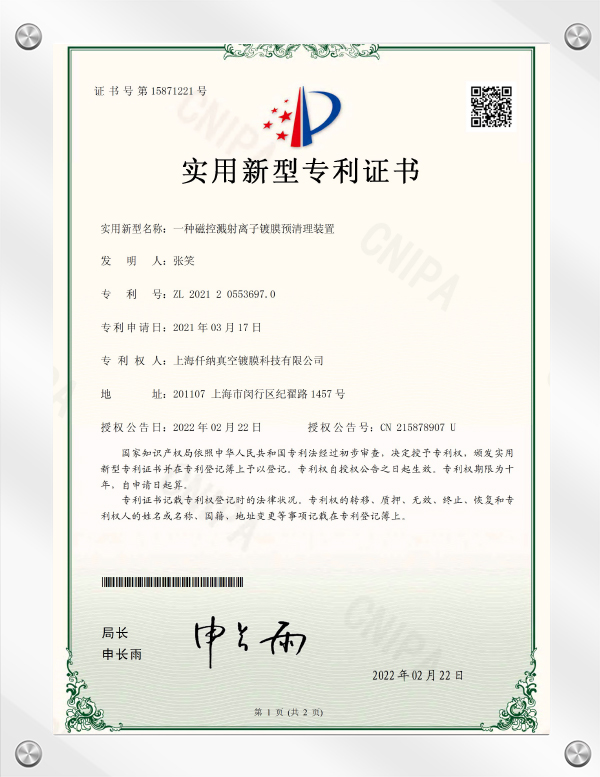
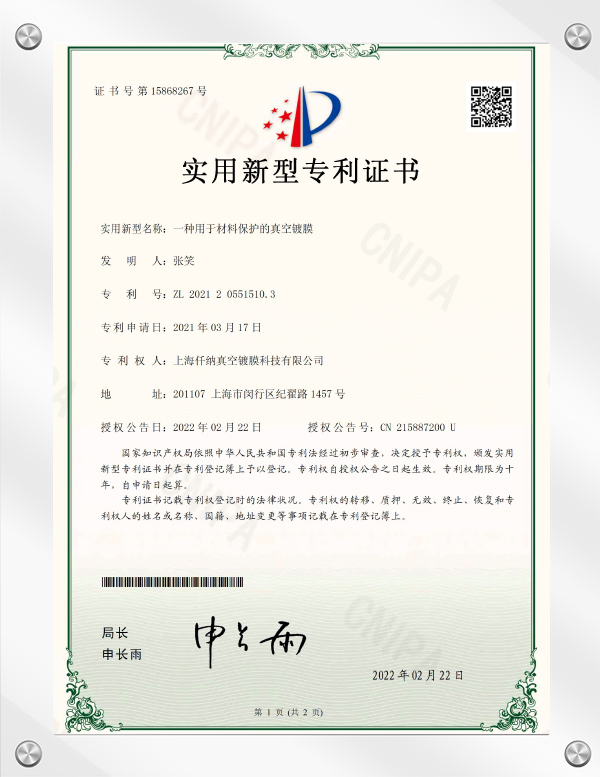
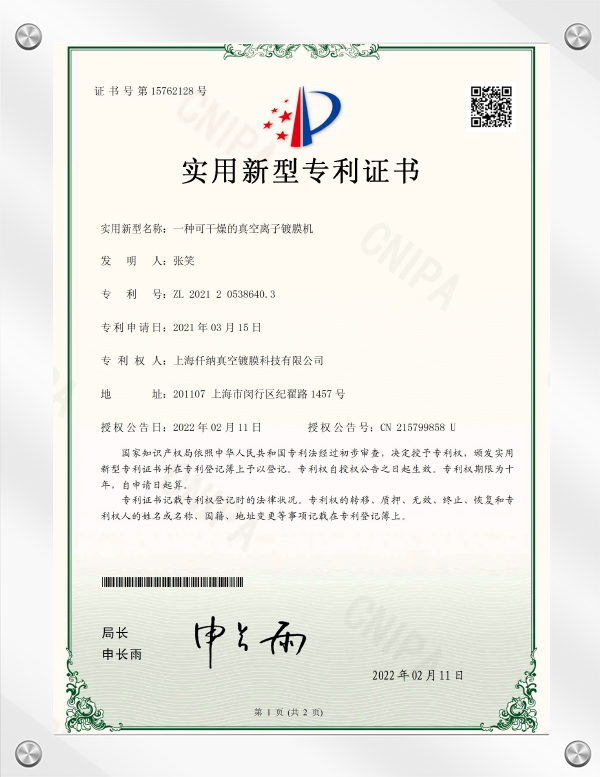
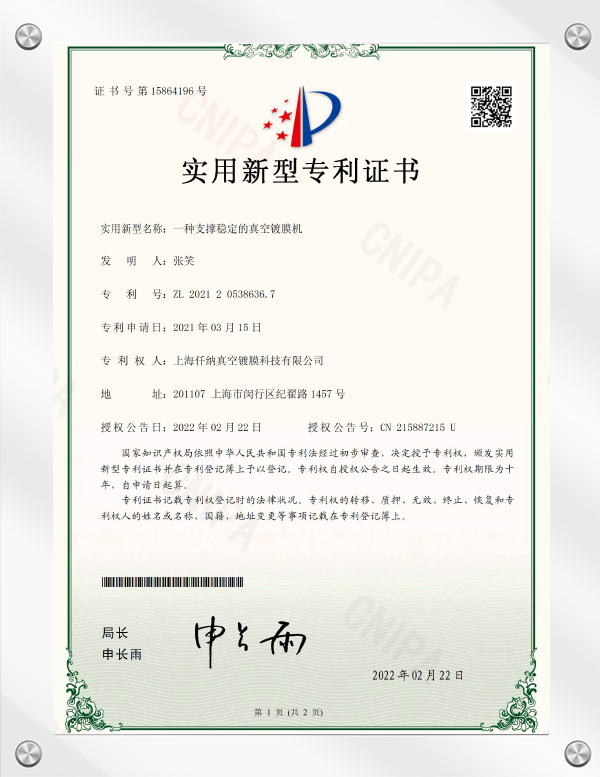
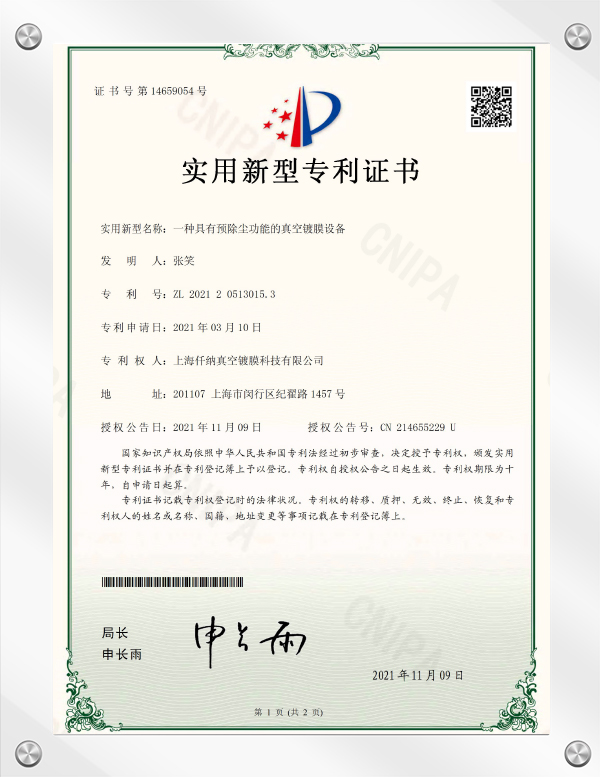
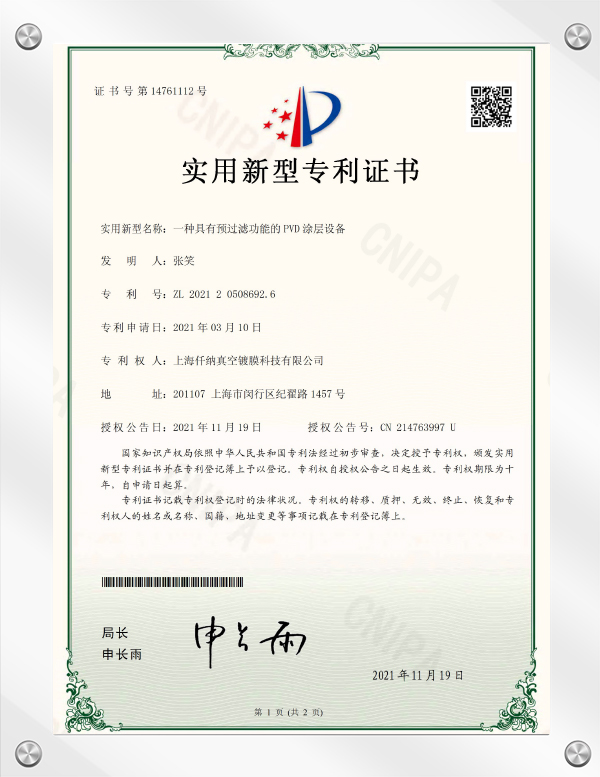
Certificate Of Honor
News & Information
Follow us for the latest company and industry news.
PVD Hard Coating Machine Industry knowledge
PVD Hard Coating Machine Manufacturer for Industrial Surface Engineering
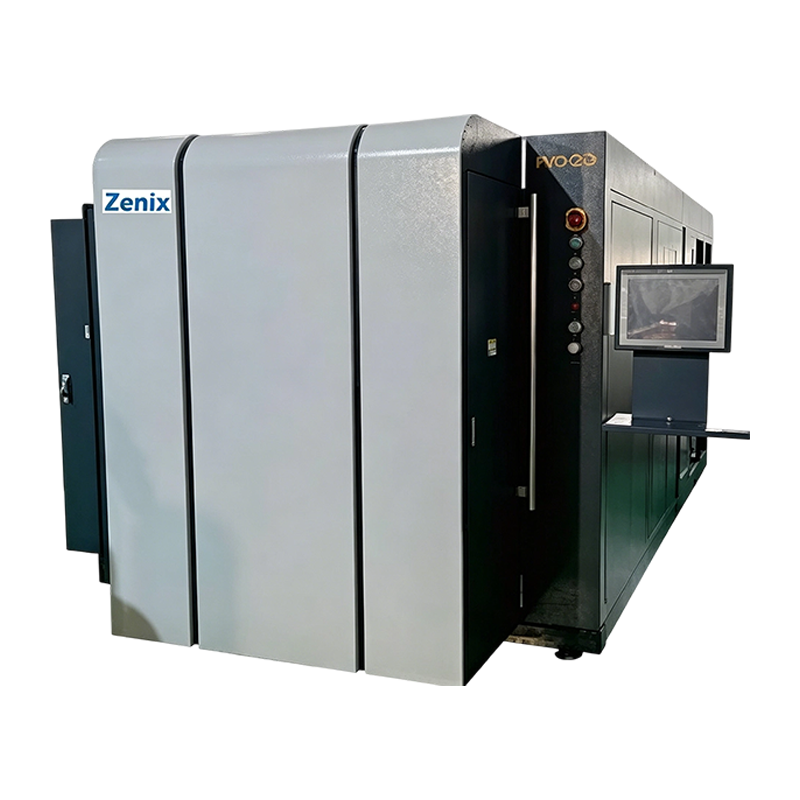
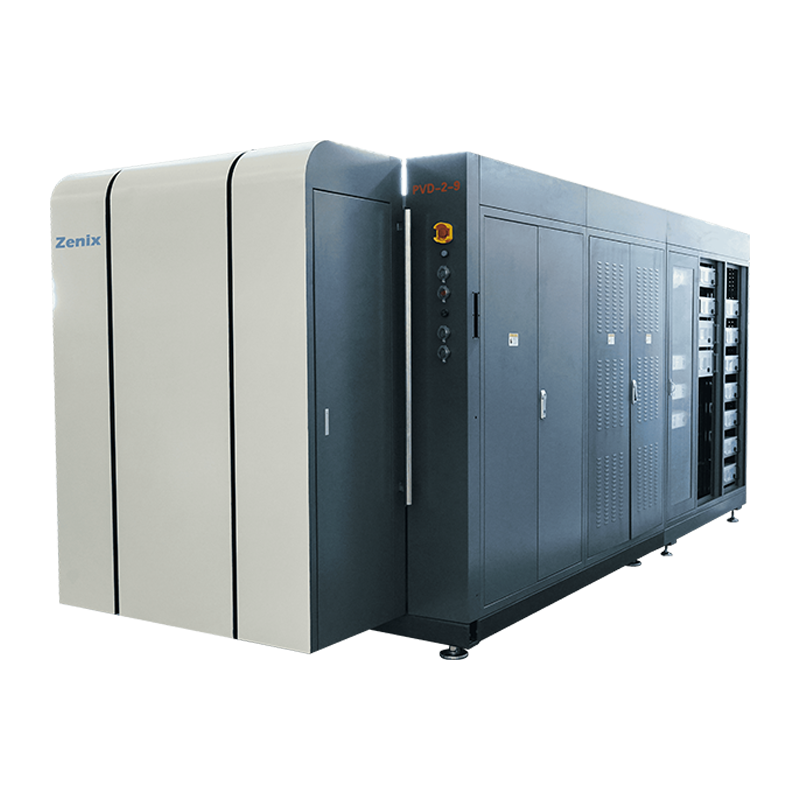
Shanghai Zenix Vacuum Coating Technology Co., Ltd. designs and builds PVD Hard Coating Machine systems for cutting tools, precision molds, automotive components, and wear-critical parts. Our range covers multi-arc, sputtering, and composite deposition platforms, each engineered for specific coating performance and production throughput. As a China-based PVD hard coating machine factory with nearly 40 years of vacuum coating experience, we supply complete systems, process development, and after-sales support to global manufacturers.
Our hard coating machines deposit dense, nano-structured films such as TiN, AlTiN, CrN, DLC, and Ta-C. These coatings improve hardness, thermal stability, and friction behavior, directly extending tool life and component durability. We configure each system around the required coating recipe, substrate material, batch size, and automation level.
Our PVD Hard Coating Machine Range
We offer three core hard coating platforms, each with distinct process advantages. The table below summarizes their primary applications and technical positioning.
| Machine Type | Core Technology | Typical Applications | Key Advantages |
|---|---|---|---|
| Multi-arc Hard Coating Machine | Cathodic arc evaporation | Drills, end mills, hobs, stamping dies, piston rings | High deposition rate, strong adhesion, good for thick hard coatings |
| Sputtering Hard Coating Machine | Magnetron sputtering (HiPIMS-capable) | High-gloss consumer electronics, micro-tools, optical components | Droplet-free films, excellent uniformity, low-temperature deposition |
| Composite Hard Coating Machines | Hybrid arc + sputtering or custom combinations | Heavy-duty tooling, oil & gas components, aerospace parts, R&D | Tailored multilayer/gradient coatings, application-specific recipes |
Application Fit and Coating Performance
Our PVD hard coating machines are selected based on the failure mode of the coated part. For abrasive wear on cutting edges, multi-arc TiAlN or AlCrN coatings provide high hardness and hot hardness. For sliding wear and friction reduction, sputtered DLC or CrN films offer low coefficients of friction. Composite systems allow gradient or multilayer architectures that combine toughness and hardness.
- Cutting tools: drills, end mills, inserts, hobs – improved red hardness and longer tool life.
- Precision molds: stamping dies, die-casting molds, injection molds – reduced wear and better release.
- Automotive components: piston rings, valves, bearings – lower friction and extended service intervals.
- Medical devices: surgical instruments, orthopedic implants – biocompatible, corrosion-resistant surfaces.
- Consumer electronics: high-gloss frames, buttons – scratch resistance with aesthetic finish.
Engineering and Configuration Approach
Each PVD hard coating machine is configured around the customer's production requirements. We define chamber size, pumping capacity, source arrangement, substrate fixturing, and control architecture based on the coating recipe, batch volume, and cycle time target. Our systems support IET ion sources for enhanced surface cleaning and adhesion promotion.
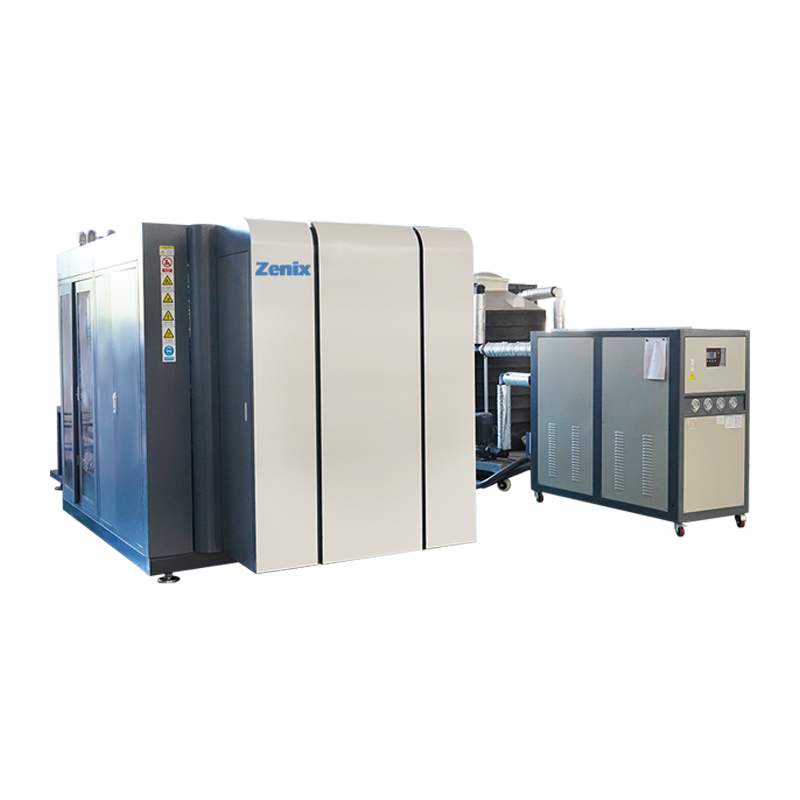
We integrate PLC-based automation with recipe management, data logging, and optional MES connectivity. Process parameters such as bias voltage, gas flow, arc current, and sputtering power are precisely controlled to ensure repeatable coating quality. The machine can be supplied with a turnkey installation package including vacuum pumps, cooling system, and electrical cabinet.
Quality Assurance and Acceptance
We perform factory acceptance testing on every PVD hard coating machine before shipment. This includes vacuum leak checks, source ignition tests, coating uniformity trials on customer-provided samples, and software validation. Our in-house coating line allows us to develop and optimize coating recipes under production conditions, reducing commissioning time at the customer site.
We hold ISO 9001 certification and multiple utility model patents related to vacuum coating equipment. Our quality control uses helium leak detectors, coordinate measuring machines, and spectrometers to verify vacuum integrity, structural precision, and coating composition.
Information We Use to Configure Your Solution
To prepare an accurate proposal, we need the following project details:
- Substrate material and part geometry: dimensions, weight, and any complex features.
- Target coating: desired film composition (e.g., TiN, AlTiN, CrN, DLC) and thickness range.
- Production volume: batch size, daily throughput, and available shift pattern.
- Performance requirements: hardness, friction coefficient, temperature resistance, corrosion resistance.
- Facility constraints: available floor space, power supply, cooling water, and compressed air.
- Automation level: manual loading, semi-automatic, or fully automatic with robotics.
Installation, Training, and After-Sales Support
We provide on-site installation supervision, operator training, and process commissioning support. Our engineers work with your team to establish stable coating recipes and troubleshoot any issues during ramp-up. We also supply spare parts, targets, and consumables, and offer remote diagnostics and technical support.
Our service team can assist with preventive maintenance planning, vacuum pump servicing, and source refurbishment to keep your PVD hard coating machine running at peak performance.
Frequently Asked Questions
What is the difference between multi-arc and sputtering hard coating machines?
Multi-arc machines use cathodic arc evaporation, which offers high deposition rates and excellent adhesion, making them suitable for thick hard coatings on cutting tools. Sputtering machines use magnetron sputtering, producing droplet-free, very smooth films ideal for high-gloss or precision applications. Composite machines combine both technologies for tailored multilayer coatings.
Can your PVD hard coating machines deposit DLC or Ta-C coatings?
Yes, our systems can be configured for DLC (diamond-like carbon) and Ta-C (tetrahedral amorphous carbon) coatings. These require specific process conditions such as high ionization and controlled bias, which we integrate into the machine design and recipe development.
What is the typical lead time for a custom PVD hard coating machine?
Lead time depends on the machine configuration and customization level. Standard platforms can be delivered in 3-4 months, while highly customized composite systems may take 5-6 months. We provide a detailed schedule after the technical specification is finalized.
Do you offer sample coating trials before machine purchase?
Yes, we can coat customer-provided samples in our in-house coating line to validate the coating performance and optimize process parameters. This reduces risk and accelerates commissioning at your facility.
What kind of warranty and after-sales support do you provide?
We provide a standard 12-month warranty on the machine and offer extended service contracts. Our support includes remote diagnostics, on-site service, spare parts supply, and process consulting throughout the equipment lifecycle.
Product Categories
PVD Hard Coating Machine Decorative PVD Coating Machine Evaporation Coating Machine Functional Coating Machine Used Coating Machine Vacuum Pumps Pretreatment MachineContact Us
 [email protected]
 +86-15921261676
 Room 101, Building 4, Songgang Smart Valley, No. 1699 Songhua Road, Qingpu District, Shanghai, China
Copyright © Shanghai Zenix Vacuum Coating Technology Co., Ltd. Rights
Reserved
Custom PVD Hard Coating Machine Manufacturer & Factory
