

 English
  Español
  عربى
عربى  русский
Functional Coating Machine Manufacturer
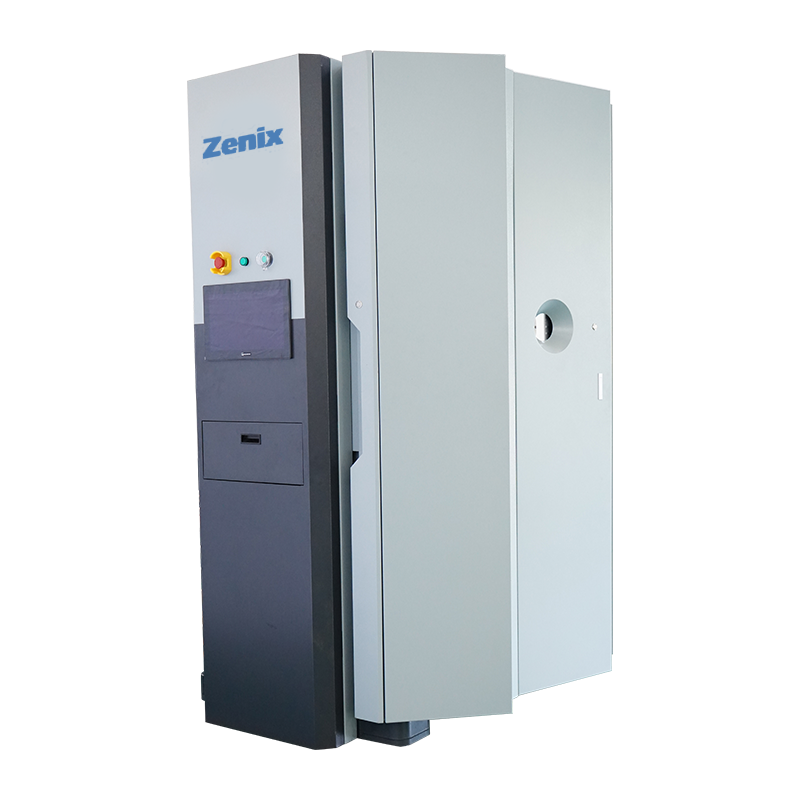
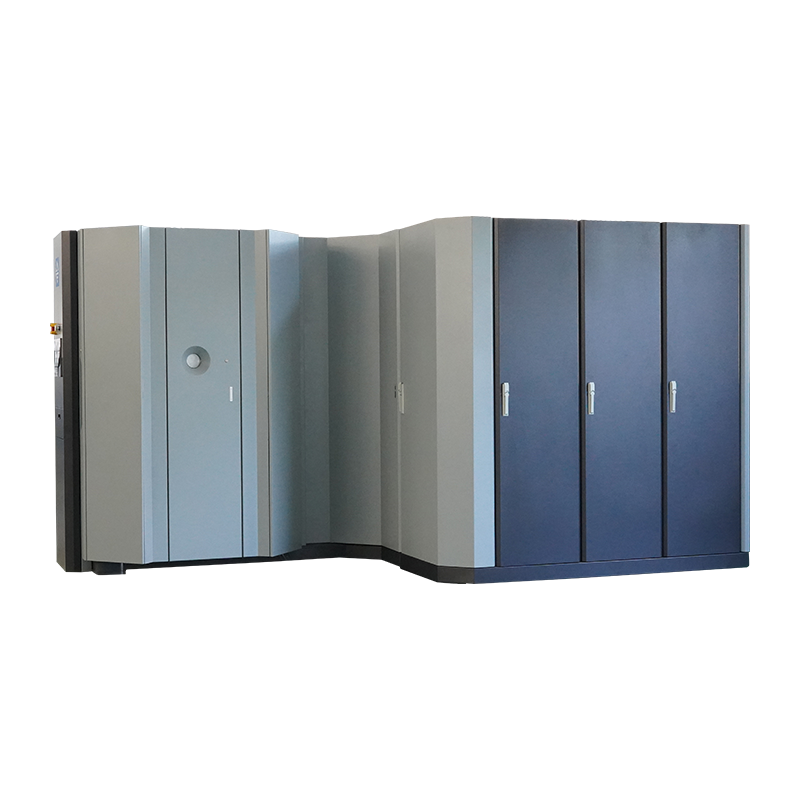
About Zenix
Shanghai Zenix Vacuum Coating Technology Co., Ltd.
Zenix Vacuum Coating Technology was established in 1985 and is a high-tech enterprise specializing in the R&D, manufacturing, and process solutions of vacuum coating equipment.
Originally founded as the Shanghai Branch of PLA Factory 9570, the company has evolved over decades into a professional vacuum coating equipment manufacturer and solution provider serving the global market.
As China Functional Coating Equipment Factory and Custom Functional Coating Machine Manufacturer, We provide complete vacuum coating solutions for customers worldwide, covering hard coatings, decorative coatings, and functional coating systems, including advanced technologies such as DLC and Ta-C. In addition, we offer related spare parts, targets, and comprehensive technical support services.
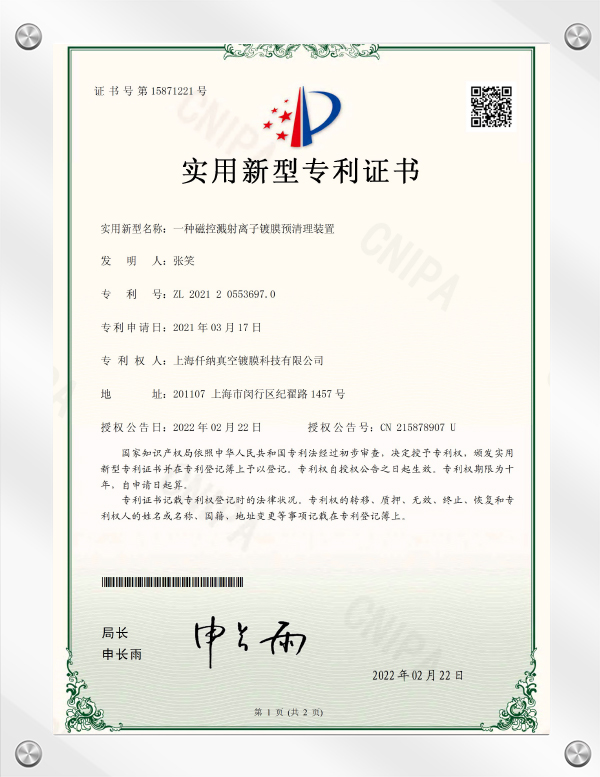
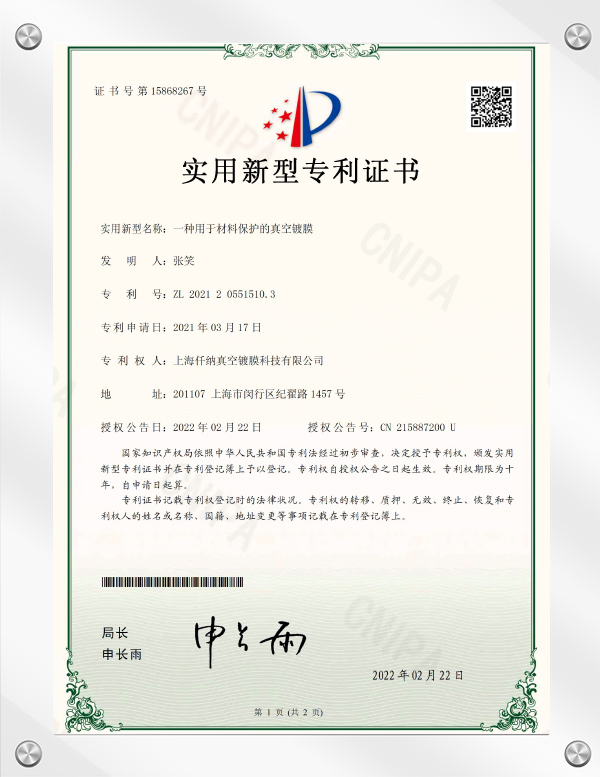
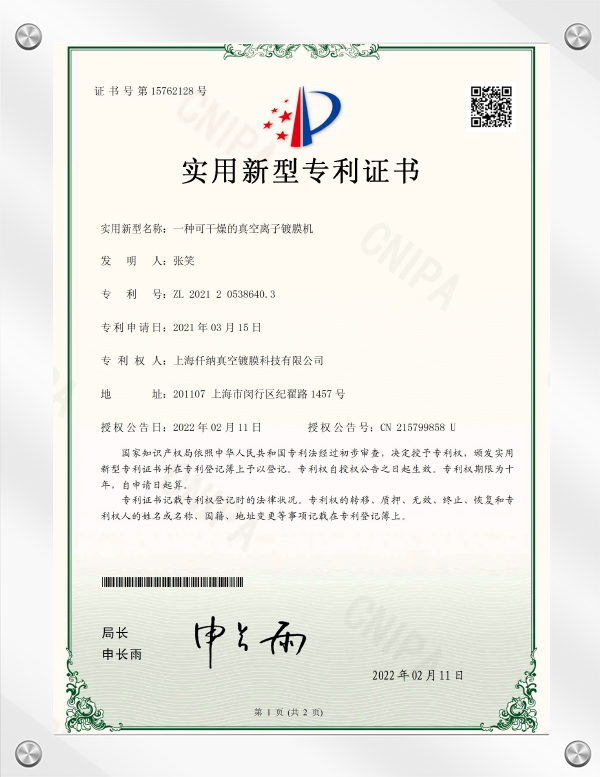
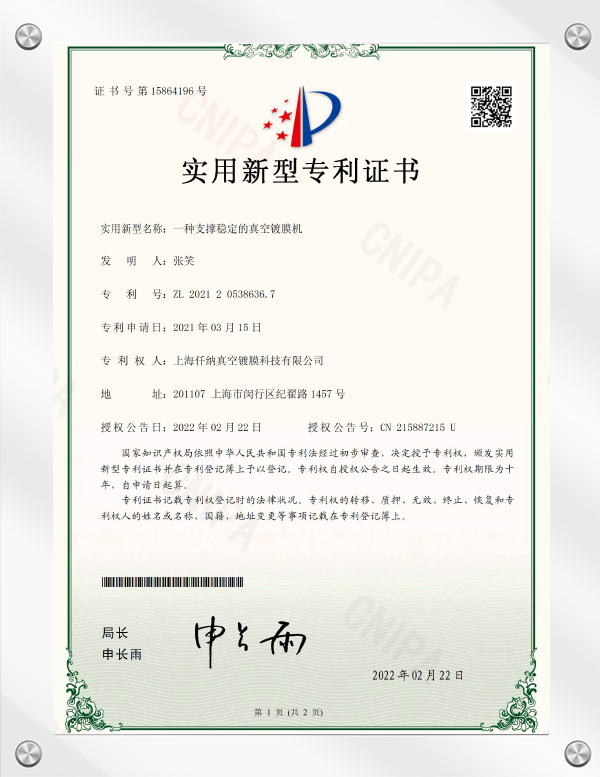
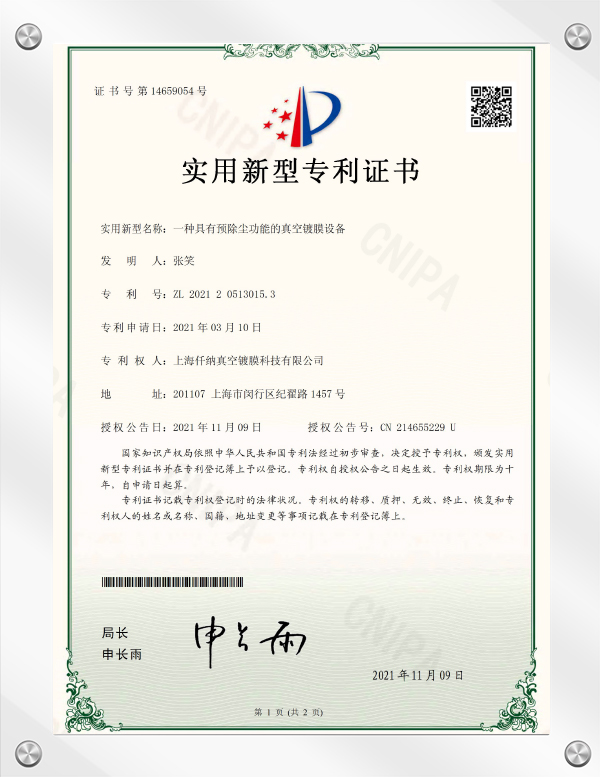
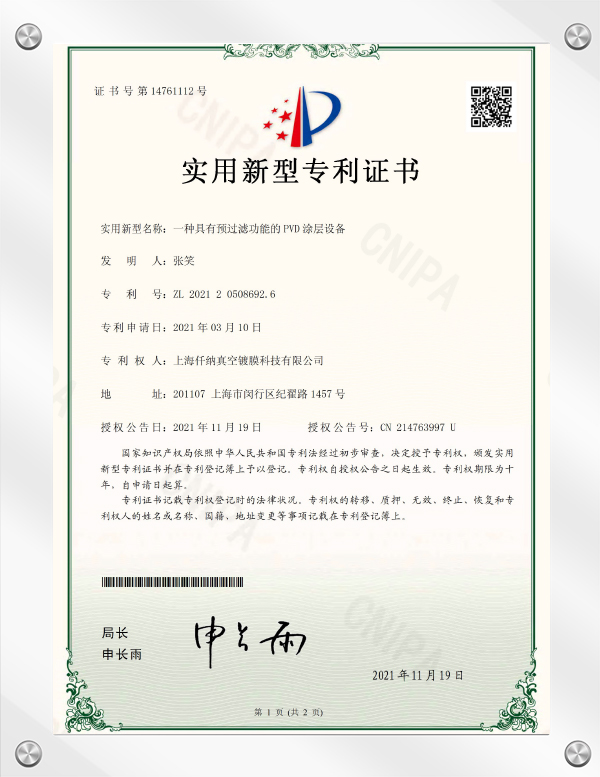
Certificate Of Honor
News & Information
Follow us for the latest company and industry news.
Functional Coating Machine Industry knowledge
Shanghai Zenix Vacuum Coating Technology Co., Ltd. is a Functional Coating Machine manufacturer and factory with nearly 40 years of vacuum coating engineering experience. Our functional coating range is built around diamond-like carbon (DLC) and tetrahedral amorphous carbon (TAC) deposition systems, engineered for components that require extreme hardness, ultra-low friction, and a premium deep-black surface. We supply complete systems, process know-how, and after-sales support to production teams worldwide.
Our functional coating machines are configured around your substrate material, batch size, coating specification, and line integration requirements. The range covers DLC Coating Machine and TAC Coating Machine platforms, each with distinct process characteristics for different wear and friction challenges.
Functional Coating Range and Application Fit
Our functional coating systems deposit amorphous carbon films that combine high hardness (1000–4000 HV) with a low coefficient of friction (0.05–0.1). The two core platforms are selected by application severity and substrate compatibility.
| Machine Type | Coating Characteristics | Typical Applications |
|---|---|---|
| DLC Coating Machine | Hydrogenated amorphous carbon; excellent adhesion on steels and light alloys; bright black finish | Automotive engine parts, cutting tools, molds, medical devices, consumer electronics |
| TAC Coating Machine | Hydrogen-free tetrahedral amorphous carbon; higher sp³ content; superior hardness and thermal stability | High-end cutting tools for non-ferrous metals, aerospace parts, high-friction drivetrain components |
Both platforms use plasma-enhanced deposition with optimized magnetic fields and 3D rotating racks for uniform coverage on complex geometries. The independent operating system allows precise control of pulse parameters and plasma density, and each machine is delivered with pre-loaded process recipes for common substrate materials.
Engineering and Process Support
We configure each functional coating machine around the actual production task. Our in-house coating line allows us to run sample trials under real production conditions, optimize parameters, and transfer proven recipes directly to your installation. This reduces commissioning time and trial-and-error cost.
- Substrate compatibility: metals, plastics, glass, ceramics
- Coating thickness control for tight tolerance parts
- Batch loading design: 3D removable rotating rack for 360° coverage
- Process recipes for DLC and TAC on various base materials
- Integration with existing vacuum, cooling, and automation systems
Quality Assurance and Acceptance
Every functional coating machine undergoes factory acceptance testing before shipment. We verify vacuum performance with helium leak detectors, structural precision with coordinate measuring machines, and coating uniformity with spectrometers. Our quality system is ISO 9001 certified, and we hold multiple utility model patents related to coating equipment design.
After installation, we support commissioning, operator training, and process stabilization. Spare parts and targets are available from our Shanghai facility, and our technical team provides remote and on-site support as needed.
Information We Use to Configure Your Solution
To prepare an accurate proposal, we need the following project details:
- Substrate material and part geometry (drawings or photos)
- Required coating type (DLC, TAC) and target hardness/friction
- Batch size and production throughput (parts per hour or day)
- Available utilities: power, cooling water, compressed air
- Cleanroom or factory floor installation constraints
- Automation interface requirements (PLC, MES, etc.)
Maintenance and Serviceability
Our functional coating machines are designed for industrial duty cycles. Key maintenance points include target replacement, vacuum pump oil changes, and periodic cleaning of the chamber and shields. We provide a recommended maintenance schedule and can supply all consumables and spare parts from stock. For customers without in-house vacuum expertise, we offer extended service contracts and remote diagnostics.
Frequently Asked Questions
What is the difference between DLC and TAC coatings?
DLC (diamond-like carbon) is a hydrogenated amorphous carbon film with hardness typically 1000–3000 HV and excellent adhesion on steels. TAC (tetrahedral amorphous carbon) is hydrogen-free with a higher sp³ bonding ratio, offering hardness up to 4000 HV and better thermal stability. TAC is preferred for high-speed cutting of non-ferrous metals and extreme wear conditions.
Can your machines coat plastic or ceramic substrates?
Yes. Our functional coating systems can process metals, plastics, glass, and ceramics. Process parameters are adjusted for each substrate to ensure adhesion and avoid thermal damage. We recommend sample trials for new substrate-coating combinations.
What is the typical installation and commissioning time?
Installation usually takes 1–2 weeks, followed by process commissioning and operator training. With our pre-loaded recipes and in-house trial data, most customers reach stable production within 2–4 weeks after equipment arrival, depending on part complexity.
Do you provide coating process development support?
Yes. We can run sample coatings in our own facility, optimize parameters for your specific parts, and transfer the validated recipe to your machine. This service is included in the project scope for new system purchases.
What spare parts and consumables do you supply?
We supply targets, vacuum pump oils, seals, shields, and other wear parts. We recommend keeping a starter kit of critical spares with the initial purchase to minimize downtime.
For a configuration proposal, contact our engineering team with your part drawings and production targets. We will respond with a technical specification and commercial quotation.
Product Categories
PVD Hard Coating Machine Decorative PVD Coating Machine Evaporation Coating Machine Functional Coating Machine Used Coating Machine Vacuum Pumps Pretreatment MachineContact Us
 [email protected]
 +86-15921261676
 Room 101, Building 4, Songgang Smart Valley, No. 1699 Songhua Road, Qingpu District, Shanghai, China
Copyright © Shanghai Zenix Vacuum Coating Technology Co., Ltd. Rights
Reserved
Custom Functional Coating Machine Manufacturer & Factory
