

 English
  Español
  عربى
عربى  русский
Decorative PVD Coating Machine Manufacturer
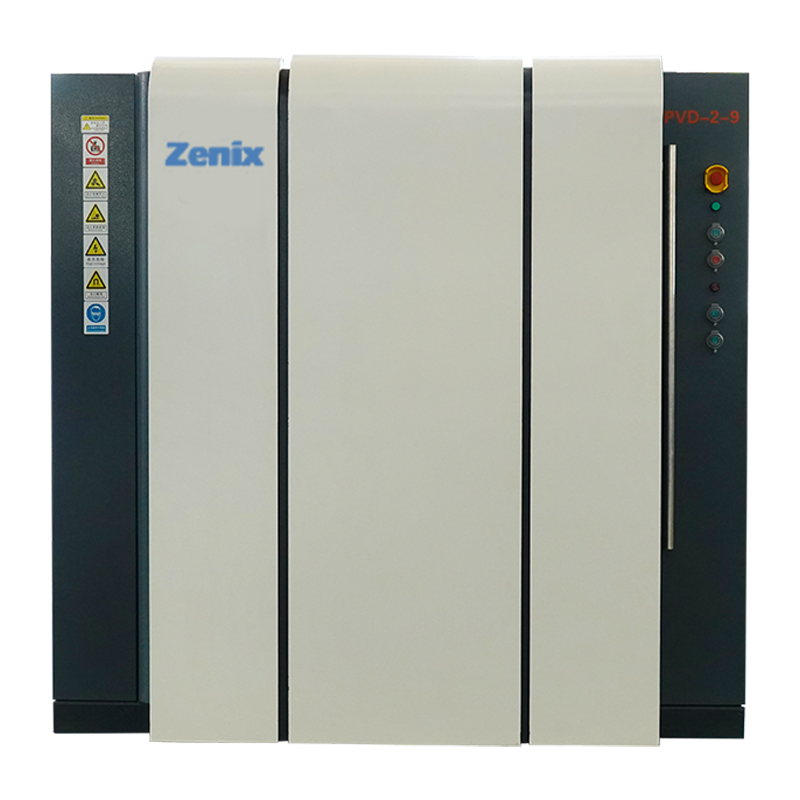
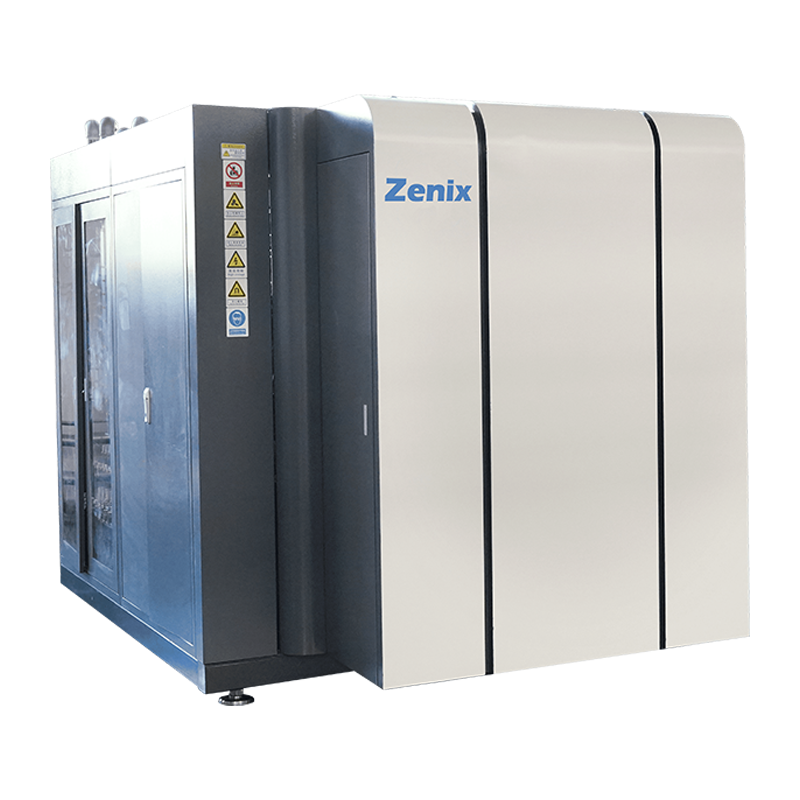
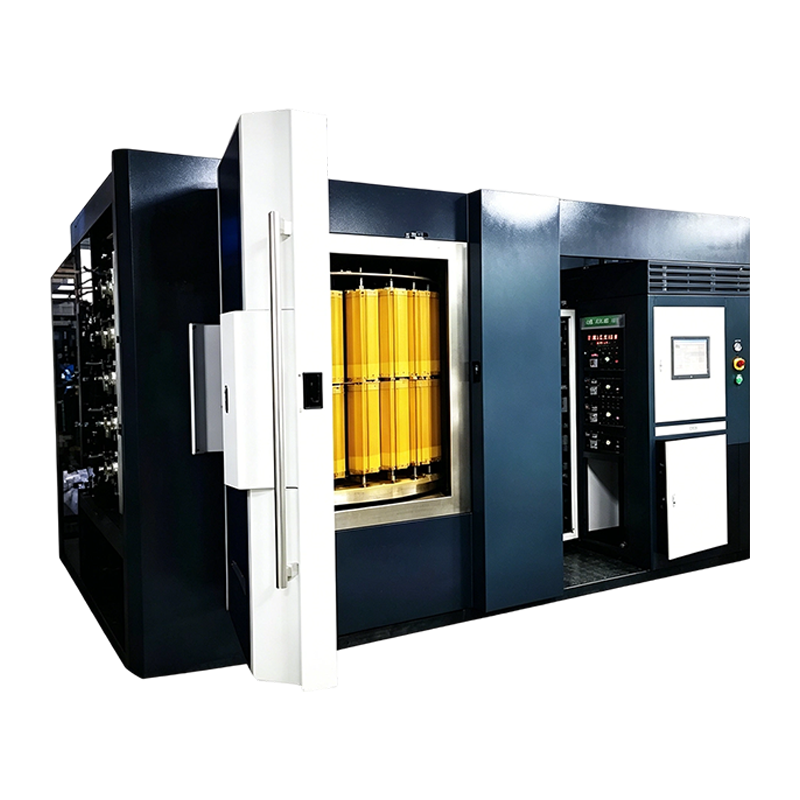
About Zenix
Shanghai Zenix Vacuum Coating Technology Co., Ltd.
Zenix Vacuum Coating Technology was established in 1985 and is a high-tech enterprise specializing in the R&D, manufacturing, and process solutions of vacuum coating equipment.
Originally founded as the Shanghai Branch of PLA Factory 9570, the company has evolved over decades into a professional vacuum coating equipment manufacturer and solution provider serving the global market.
As China Decorative PVD Coating Equipment Factory and Custom Decorative PVD Coating Machine Manufacturer, We provide complete vacuum coating solutions for customers worldwide, covering hard coatings, decorative coatings, and functional coating systems, including advanced technologies such as DLC and Ta-C. In addition, we offer related spare parts, targets, and comprehensive technical support services.
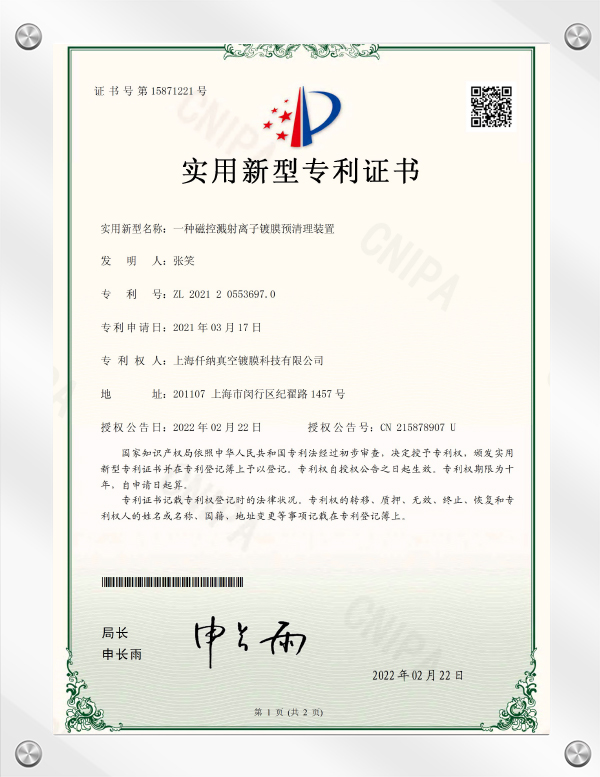
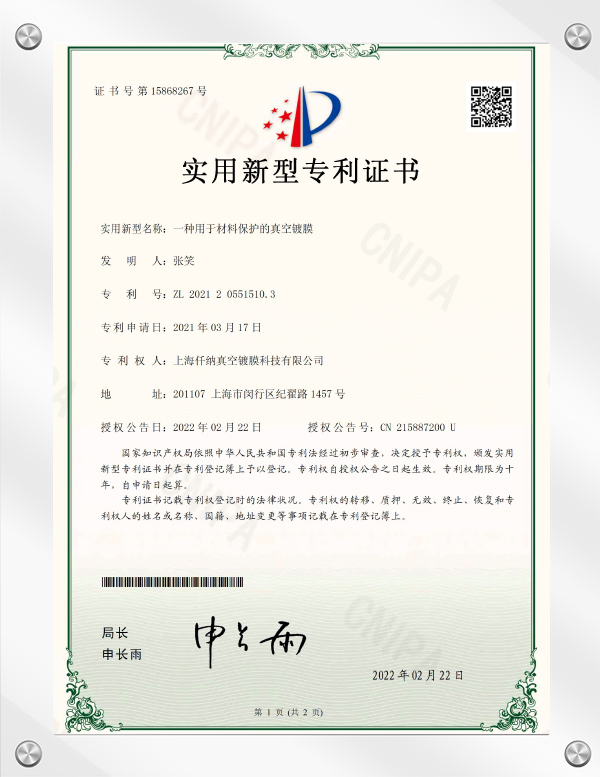
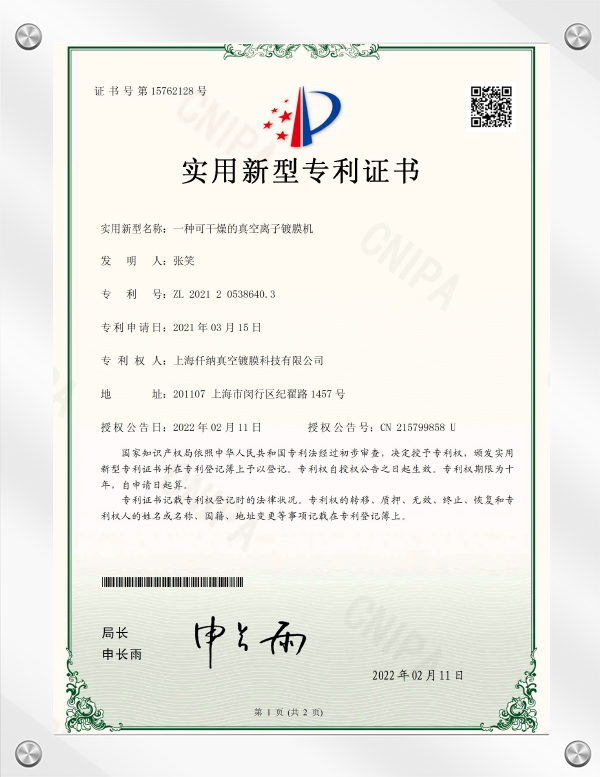
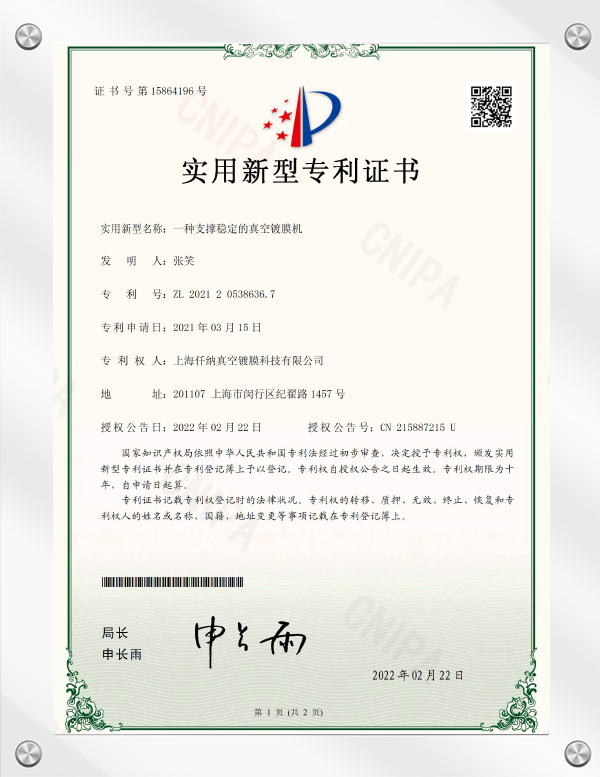
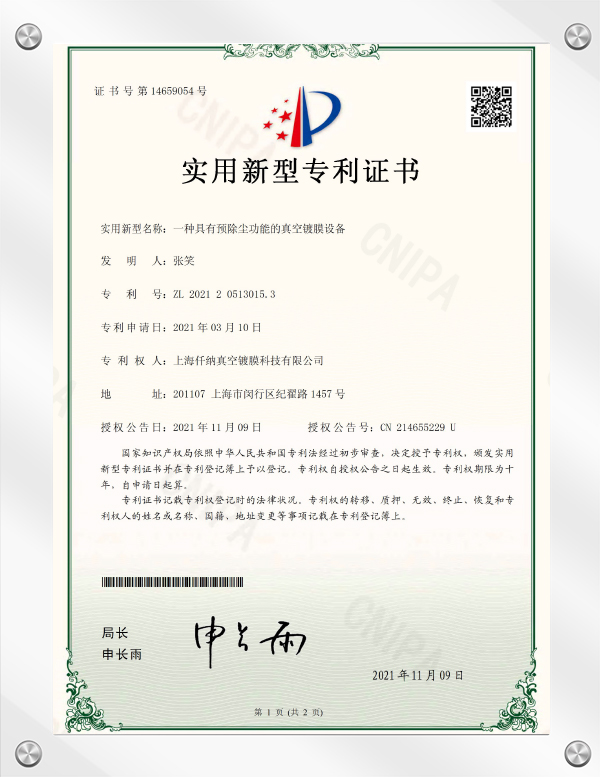
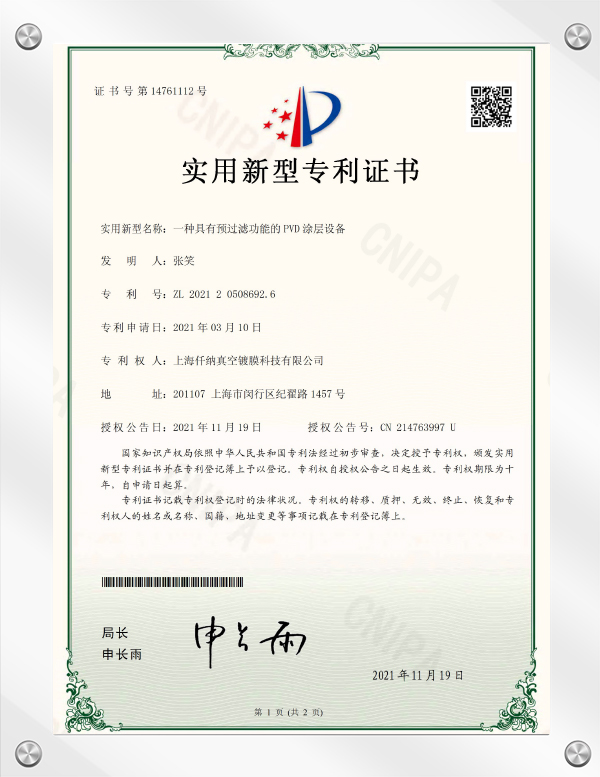
Certificate Of Honor
News & Information
Follow us for the latest company and industry news.
Decorative PVD Coating Machine Industry knowledge
Decorative PVD Coating Machine Manufacturer for High-Value Surface Finishes
Shanghai Zenix Vacuum Coating Technology Co., Ltd. designs and builds Decorative PVD Coating Machine systems for manufacturers who need repeatable color, texture and durability on consumer and architectural components. Our range covers multi-arc, sputtering and composite platforms, each engineered for specific substrate materials, part geometries and production volumes. We support projects from initial coating trials through installation, process tuning and after-sales service.
As a China-based Decorative PVD Coating Machine supplier with nearly 40 years of vacuum coating experience, we combine military-origin process discipline with modern automation and quality control. Our equipment is used for mobile phone frames, watch components, plumbing fixtures, automotive interior trims and other parts where appearance and wear resistance are equally critical.
Our Decorative PVD Coating Machine Range
We offer three core machine architectures, each matched to different coating requirements and production environments.
| Machine Type | Primary Deposition Method | Best Suited For | Key Advantage |
|---|---|---|---|
| Multi-arc Decorative Coating Machine | Cathodic arc evaporation | High-volume metal parts, complex geometries, vibrant colors | High deposition rate, excellent adhesion, rich color saturation |
| Sputtering Decorative Coating Machine | Magnetron sputtering (MF/DC) | High-gloss, mirror-like finishes, precision parts, thin uniform films | Ultra-smooth films, low particle defects, excellent thickness uniformity |
| Composite Decorative Coating Machine | Combined arc + sputtering or other hybrid configurations | Custom color/texture combinations, demanding adhesion and aesthetics | Flexible process integration, tailored to specific product requirements |
Each platform can be configured with different chamber sizes, pumping packages, target arrangements, substrate fixturing and control systems. We also supply Vacuum Pumps and Pretreatment Machine as part of a complete line.
Application Fit and Substrate Compatibility
Our decorative PVD systems are proven on a wide range of materials and product categories. The table below summarizes typical applications and the recommended machine type.
| Application Sector | Typical Parts | Common Substrates | Recommended Machine |
|---|---|---|---|
| Consumer electronics | Phone frames, camera rings, wearable device housings | Aluminum alloy, stainless steel, plastic, ceramic | Sputtering or Multi-arc |
| Watches and jewelry | Watch cases, dials, bands, decorative hardware | Stainless steel, titanium, brass | Multi-arc or Sputtering |
| Plumbing and hardware | Faucets, shower heads, door handles, hinges | Brass, zinc alloy, stainless steel | Multi-arc |
| Automotive interior | Trim pieces, knobs, logos, decorative panels | Plastic (ABS, PC), metal | Sputtering or Composite |
| Architectural elements | Stainless steel panels, railings, decorative profiles | Stainless steel, aluminum | Multi-arc or Composite |
For parts with complex 3D shapes, multi-arc technology provides better throwing power. For flat or gently curved surfaces requiring a flawless mirror finish, sputtering is often preferred. Our composite machines allow both processes in one chamber or sequential chambers for hybrid coatings.
Engineering and Configuration Approach
We configure each Decorative PVD Coating Machine around the customer's specific production targets. Key parameters we define together include:
- Chamber size and load capacity: Based on part dimensions, batch weight and required throughput.
- Pumping system: Selected for target cycle time and ultimate vacuum level, typically including rotary vane, roots and turbomolecular or diffusion pumps.
- Target configuration: Number, size and arrangement of arc sources or magnetron cathodes, matched to the coating material and color range.
- Substrate fixturing: Single, double or planetary rotation systems to ensure uniform coating on all exposed surfaces.
- Control system: PLC-based automation with recipe management, data logging and optional remote monitoring.
- Process gas and bias: Argon, nitrogen, oxygen and acetylene flow control, plus pulsed DC bias for ion cleaning and coating densification.
Our in-house coating production line allows us to run sample trials on your actual parts before machine delivery. This reduces commissioning time and ensures the process recipe is proven for your specific substrate and finish requirements.
Quality Assurance and Acceptance
Every machine undergoes a structured factory acceptance test before shipment. Our quality control includes:
- Helium leak testing of the vacuum chamber and gas lines.
- Coordinate measuring machine (CMM) verification of critical mechanical dimensions.
- Spectrometer analysis of coating composition and color consistency on test coupons.
- Full functional testing of all subsystems, including heating, rotation, bias, arc/sputtering sources and control interlocks.
- Documentation package with operation manual, electrical schematics, spare parts list and maintenance schedule.
After installation, we provide on-site commissioning support, operator training and process optimization assistance. Our service team can also support remote diagnostics and spare parts supply.
Information We Use to Configure Your Solution
To prepare an accurate proposal, we typically need the following project details:
| Information Category | Specific Details Required |
|---|---|
| Substrate material | Metal type, plastic grade, glass or ceramic composition |
| Part geometry and dimensions | Maximum part size, shape complexity, areas to be coated |
| Desired coating | Color, finish (gloss/matte), thickness, adhesion and wear requirements |
| Production volume | Parts per batch, batches per day, annual throughput target |
| Facility constraints | Available floor space, power supply, cooling water, compressed air |
| Automation requirements | Manual loading, semi-automatic or fully automatic line integration |
With this information, our engineering team can recommend the most suitable machine type, chamber size, target configuration and auxiliary equipment, and provide a detailed quotation with delivery and commissioning schedule.
Frequently Asked Questions
What is the difference between multi-arc and sputtering decorative PVD machines?
Multi-arc machines use cathodic arc evaporation, which produces high ionization and excellent adhesion, making them ideal for complex shapes and high-volume metal parts. Sputtering machines use magnetron sputtering, which yields ultra-smooth, particle-free films with superior thickness uniformity, preferred for high-gloss or precision applications. We help you select the right technology based on your part geometry and finish requirements.
Can your machines coat plastic parts?
Yes. Our decorative PVD systems can coat plastics such as ABS, PC and nylon, often with a base coat to improve adhesion and surface smoothness. We configure the process parameters (temperature, bias, deposition rate) to avoid thermal damage to the substrate.
What colors can be achieved with your decorative PVD machines?
Common colors include gold, rose gold, champagne, black, gunmetal, blue, rainbow and various metallic shades. The achievable color range depends on the target material (Ti, Zr, Cr, etc.) and reactive gas mixture. We can run sample trials to match your specific color reference.
Do you provide installation and training?
Yes. We offer on-site installation supervision, commissioning, operator training and process recipe development. Our engineers can travel to your facility or provide remote support depending on your location and project scope.
What is the typical lead time for a decorative PVD coating machine?
Lead time varies with machine configuration and customization level, typically ranging from 8 to 16 weeks after order confirmation. We provide a detailed schedule with the quotation and can expedite certain components if needed.
Product Categories
PVD Hard Coating Machine Decorative PVD Coating Machine Evaporation Coating Machine Functional Coating Machine Used Coating Machine Vacuum Pumps Pretreatment MachineContact Us
 [email protected]
 +86-15921261676
 Room 101, Building 4, Songgang Smart Valley, No. 1699 Songhua Road, Qingpu District, Shanghai, China
Copyright © Shanghai Zenix Vacuum Coating Technology Co., Ltd. Rights
Reserved
Custom Decorative PVD Coating Machine Manufacturer & Factory
