

 English
  Español
  عربى
عربى  русский
1. Product OverviewThe Composite Hard Coating Machines are specialized coating systems engineered to...
+ VIEW MORE
Composite Decorative Coating Machine
1. Product Overview
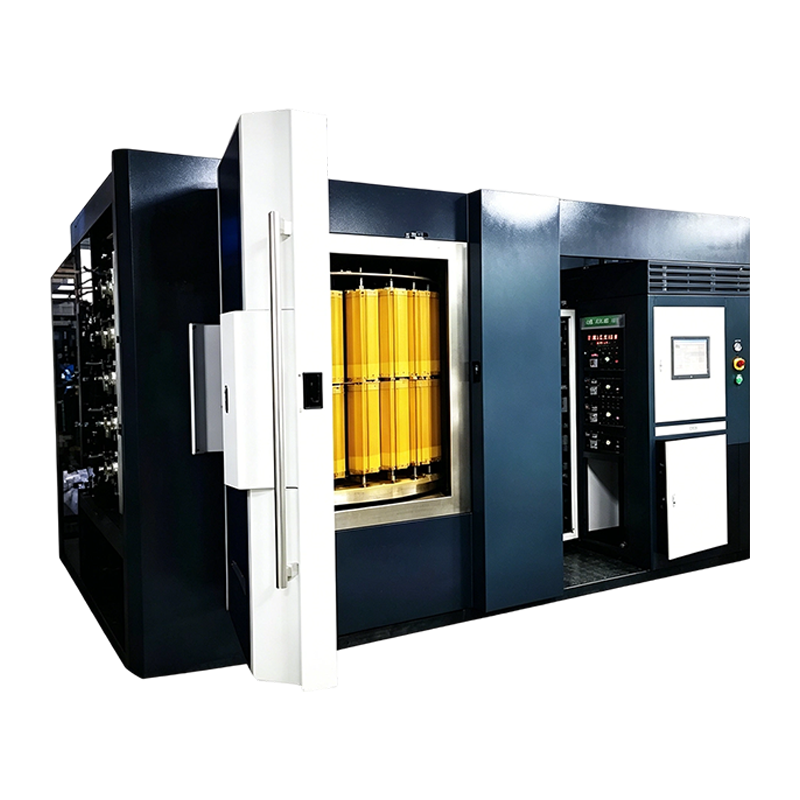
The Composite Decorative Coating Machine is a revolutionary platform designed to redefine aesthetic standards through deep technical integration. Moving beyond the limitations of single-process systems, this machine harmonizes multiple deposition technologies to meet complex demands for color, texture, and environmental resilience. It is more than a piece of equipment; it is a "turnkey" engineering solution tailored to create a unique competitive edge for your brand’s surface finishes.
2. Key Advantages
Customized Solutions Tailored to Operational Requirements: We move past "industry templates." Every system configuration is natively designed based on the client’s actual floor conditions, operational workflows, and specific throughput targets.
Adjusted and Optimized Based on Specific Working Conditions: Recognizing that decorative products face diverse real-world stresses (such as sweat corrosion, UV exposure, or thermal shock), we optimize equipment parameters at the fundamental level to ensure coatings are both beautiful and robust.
Highly Customized to Meet Precise Client Needs: From the spatial layout of the vacuum chamber to the strategic arrangement of multiple ion sources, every aspect is engineered to match the specific dimensions and geometry of the client's products.
Synergistic Multi-Technology Integration: Achieve a flawless blend of high-adhesion arc technology and refined sputtering textures within a single process, creating sensory experiences that standard machines simply cannot replicate.
Future-Proof Process Scalability: Designed with ample modularity, the system can quickly adapt its process logic to align with evolving aesthetic trends and product iterations.
3. Product Applications
Specialized Personal Gear: Professional diving watches and extreme sports sensors that require both striking colors and high-level protection under harsh conditions.
Conceptual Home Decor: Non-standard, full-coverage coating solutions for irregularly shaped artistic furniture hardware or metallic sculptures.
Luxury Transportation Interiors: Bespoke metallic trims for private jets and luxury yachts, where unique custom hues and extreme anti-corrosion standards are paramount.
Advanced Material R&D: Providing corporate labs with a highly open and compatible composite platform for exploring next-generation decorative finishes.
About Zenix
Shanghai Zenix Vacuum Coating Technology Co., Ltd.
Zenix Vacuum Coating Technology was established in 1985 and is a high-tech enterprise specializing in the R&D, manufacturing, and process solutions of vacuum coating equipment.
Originally founded as the Shanghai Branch of PLA Factory 9570, the company has evolved over decades into a professional vacuum coating equipment manufacturer and solution provider serving the global market.
We provide complete vacuum coating solutions for customers worldwide, covering hard coatings, decorative coatings, and functional coating systems, including advanced technologies such as DLC and Ta-C. We are China Composite Decorative Coating Machine Suppliers and Custom Composite Decorative Coating Machine Company, In addition, we offer related spare parts, targets, and comprehensive technical support services.
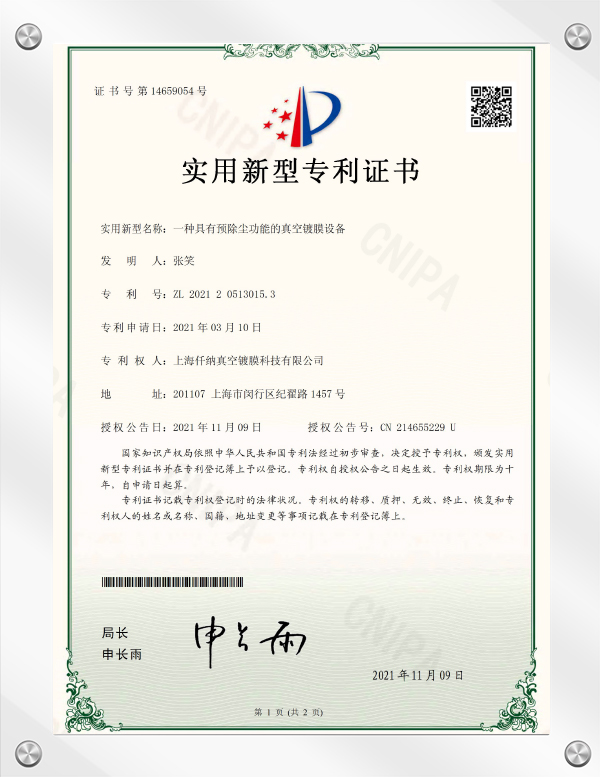
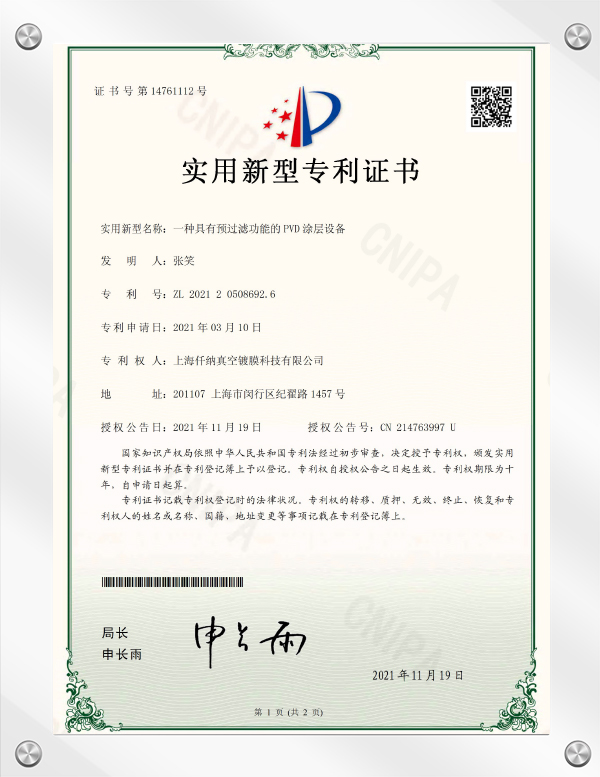
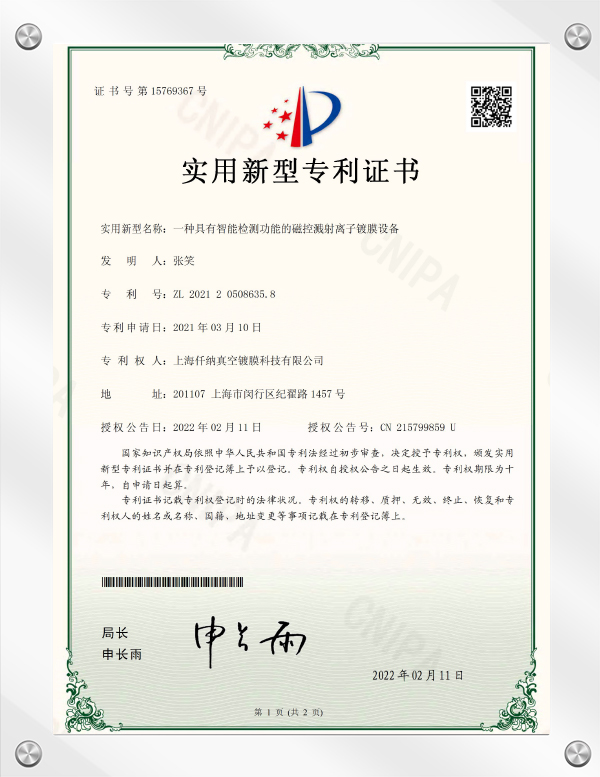
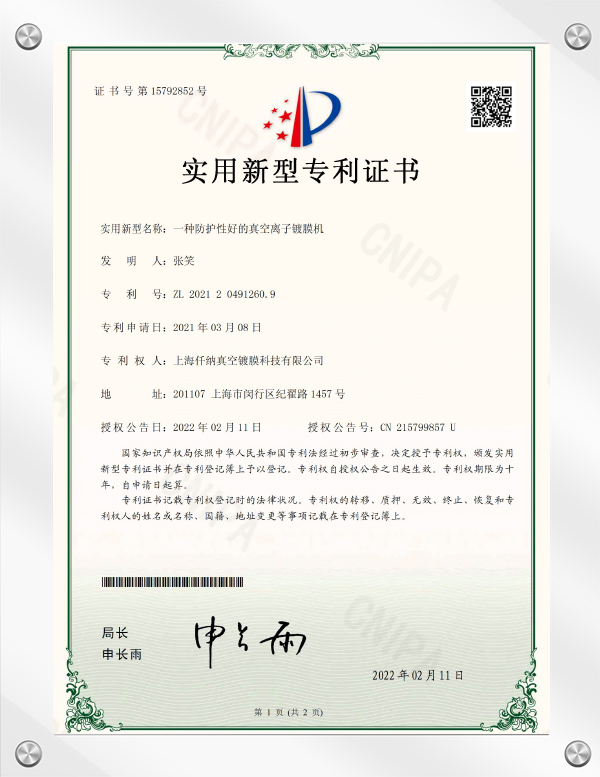
Certificate Of Honor
News & Information
Follow us for the latest company and industry news.
Related products
-
-
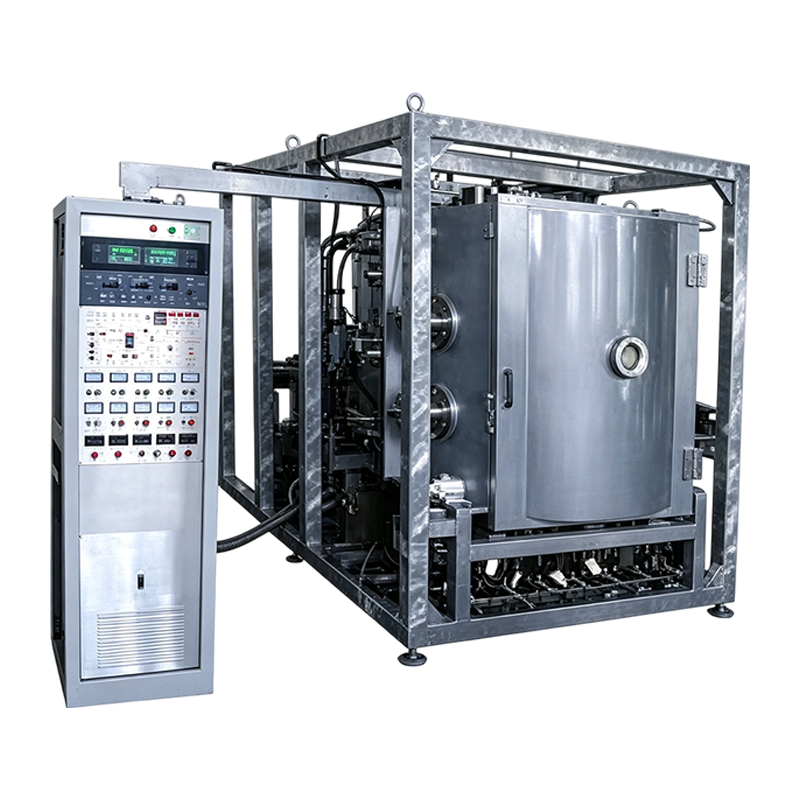
1. Product OverviewThe Composite Evaporation Coating Machine is an integrated, custom-engineered pla...
+ VIEW MORE -
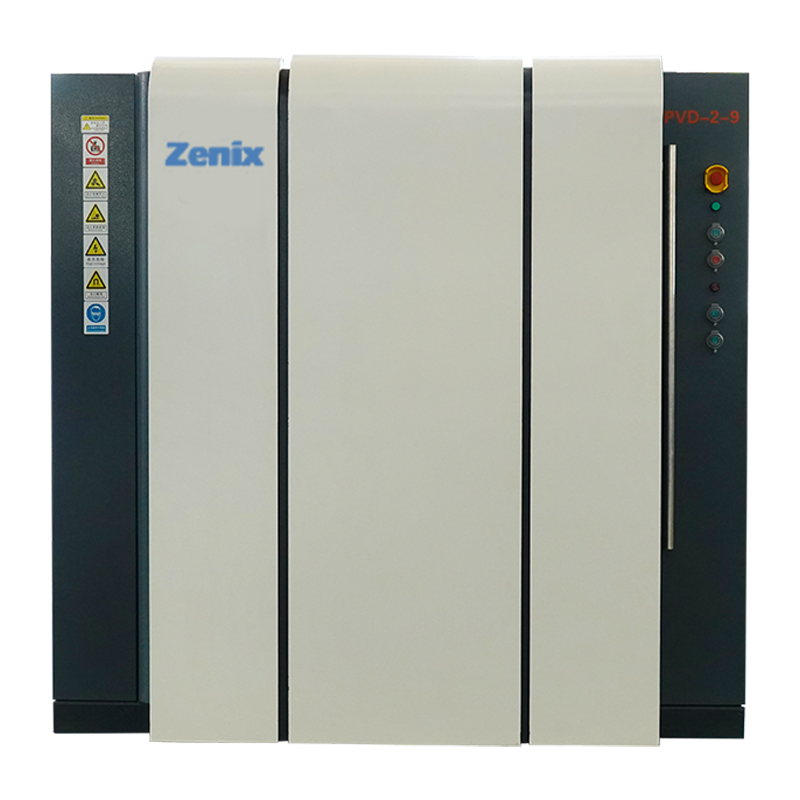
1. Product OverviewThe Multi-arc Decorative Coating Machine is a cutting-edge system designed to mer...
+ VIEW MORE -
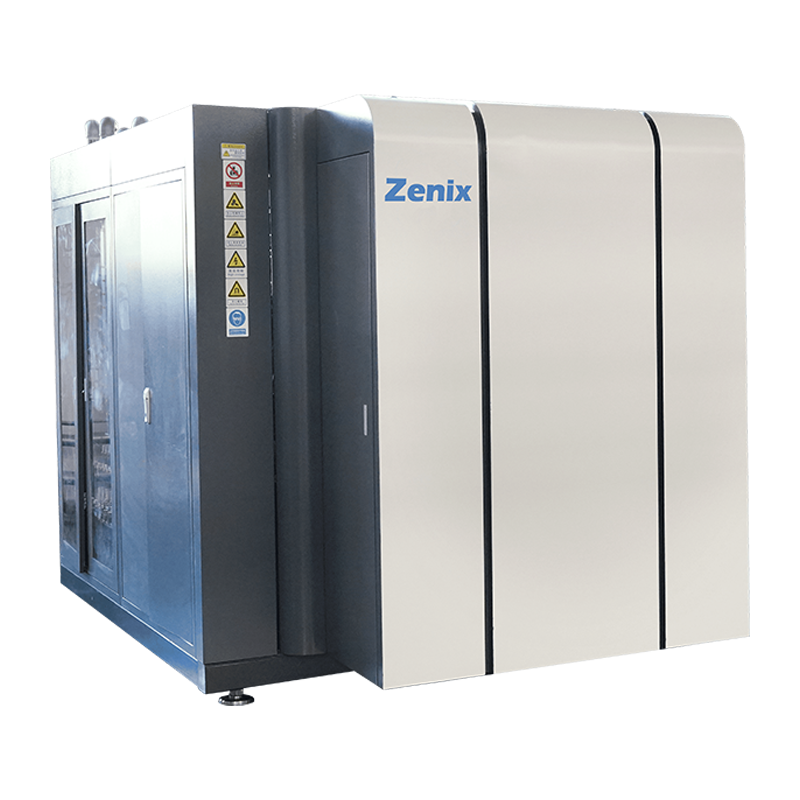
1. Product OverviewThe Sputtering Decorative Coating Machine is a precision-engineered system design...
+ VIEW MORE -
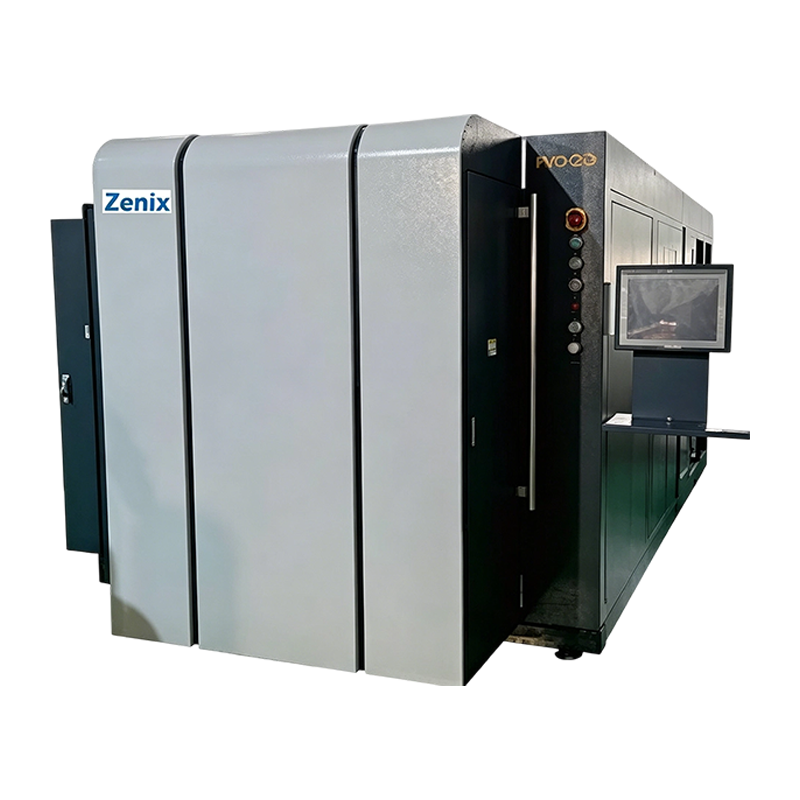
1. Product OverviewThe Multi-arc Hard Coating Machine is a high-performance vacuum deposition system...
+ VIEW MORE -
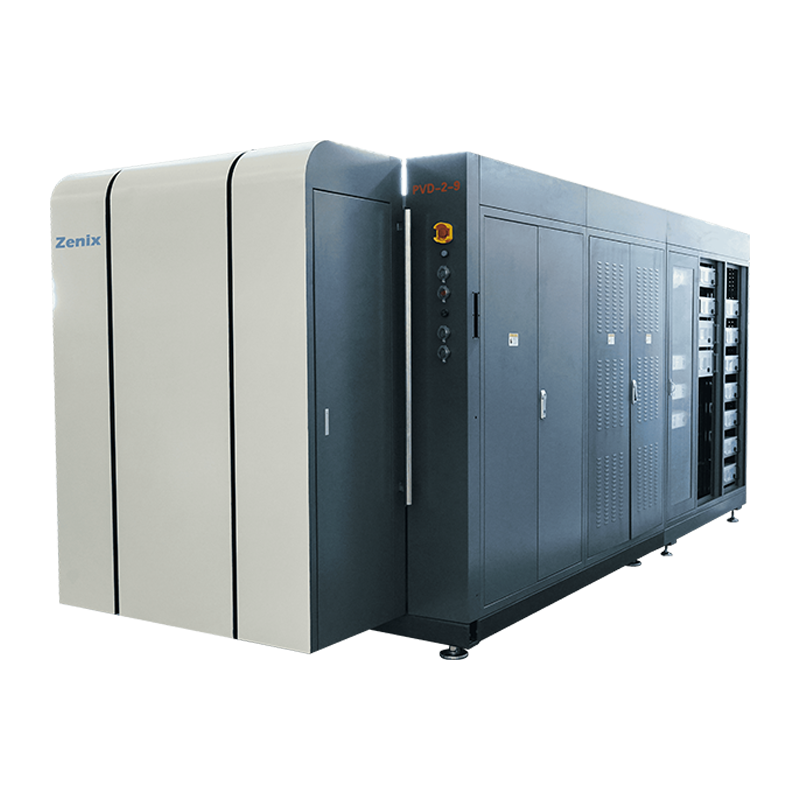
1. Product OverviewThe Sputtering Hard Coating Machine represents the pinnacle of precision in surfa...
+ VIEW MORE
Composite Decorative Coating Machine Industry knowledge
What Is a Composite Decorative Coating Machine and How Does It Work?
In the evolving landscape of surface finishing, the demand for coatings that transcend conventional aesthetics has never been greater. Brands across luxury goods, automotive, and consumer electronics seek finishes that are not only visually striking but also durable, tactile, and capable of withstanding harsh environmental conditions. A composite decorative coating machine represents a paradigm shift in meeting these demands. Unlike single-process systems—whether arc or sputtering alone—this advanced platform integrates multiple deposition technologies within a unified architecture, enabling the creation of multi-layered, hybrid coatings that combine the best attributes of each process. This article provides a comprehensive exploration of what a composite decorative coating machine is, how its synergistic technology works, and why it has become the preferred solution for brands requiring bespoke, high-performance decorative finishes.
1. Core Architecture and Working Principle
A composite decorative coating machine is fundamentally different from conventional PVD equipment. Its defining characteristic is the integration of multiple deposition sources—typically cathodic arc sources for high-adhesion, high-ionization deposition, and magnetron sputtering sources for smooth, droplet-free films—within a single vacuum chamber. This co-location enables sequential or even simultaneous operation of different source types, allowing engineers to design coating architectures that leverage the strengths of each technology while mitigating their individual weaknesses. For example, an arc source can deposit a robust, highly adherent base layer, while a sputtering source subsequently applies a smooth, color-precise topcoat, all within the same pump-down cycle.
The machine's control software orchestrates these multiple sources with exceptional precision. Operators can program complex sequences—arc pre-treatment for substrate cleaning, graded interlayer deposition, and final sputtered decorative layer—each with independent power, gas flow, and bias settings. This level of control enables the creation of composite decorative coating machines to produce films with gradient compositions, nanolaminate structures, and tailored stress profiles that are impossible to achieve on single-source systems. The integration of IET (ion etching technology) sources further enhances adhesion and surface activation, ensuring that the interface between substrate and coating is optimized for durability.
A critical aspect of the composite approach is its modularity. A composite decorative coating machine is not a fixed-configuration system; it is engineered with interchangeable source ports, adjustable chamber geometry, and scalable power supplies. This design philosophy allows the machine to be tailored to specific production requirements—whether the client needs high throughput for consumer electronics components or extreme precision for luxury watch parts. The result is a platform that can evolve with changing design trends and material innovations, offering a future-proof investment for manufacturers.
2. Application-Specific Advantages
2.1 Specialized Personal Gear
Professional diving watches and extreme sports sensors represent some of the most demanding decorative coating applications. These components must withstand prolonged exposure to saltwater, UV radiation, thermal shock, and mechanical impact, while maintaining vibrant, distinctive colors that define brand identity. A composite decorative coating machine addresses these challenges through its ability to deposit multi-layer architectures: a tough, corrosion-resistant base layer (e.g., CrN or TiN) deposited by arc for exceptional adhesion and barrier protection, followed by a smooth, color-rich top layer (e.g., TiCN or ZrN) deposited by sputtering for precise aesthetic control.
The arc-sputter hybrid approach is particularly valuable for these applications. The arc-deposited base layer provides the chemical resistance needed to withstand chlorine and saltwater corrosion, while the sputtered top layer delivers the flawless, high-gloss finish that luxury sports watch brands demand. Moreover, the composite system's ability to include a transparent DLC or oxide protective overcoat further enhances scratch resistance and chemical inertness, preserving the coating's appearance through years of rigorous use. Zenix Vacuum Coating Technology, leveraging its 1985 heritage and its collaboration with the Chinese Academy of Sciences Institute of Mechanics, has developed specialized composite process recipes for sports gear manufacturers. The company's engineering team works directly with clients to analyze the specific corrosive and mechanical stresses their products face, then configures each composite decorative coating machine with the optimal source arrangement and process parameters to meet those challenges—ensuring that the coating is as durable as it is beautiful.
2.2 Conceptual Home Decor and Artistic Installations
The world of conceptual home decor and artistic furniture presents a unique set of challenges. Designers increasingly demand full-coverage coatings on irregularly shaped objects—sculptural metal frames, abstract furniture hardware, and artistic railings—where traditional electroplating or painting cannot achieve uniform coverage. A composite decorative coating machine excels in these applications because its multi-source configuration and planetary rotation systems ensure that the plasma flux reaches all surfaces evenly, including undercuts, concave features, and complex organic shapes.
The ability to combine arc and sputtering within the same cycle also enables novel textural effects. For example, a rough, matte base layer can be deposited by arc to create a "brushed" or "sandblasted" visual texture, followed by a thin, glossy sputtered top layer that adds a subtle iridescence or metallic sheen—a combination that single-process systems simply cannot replicate. Additionally, the composite platform's low-temperature capability (typically 150–300 °C) ensures compatibility with substrates that may contain heat-sensitive materials, such as wood composites or polymer-based artistic mediums. Zenix Vacuum Coating Technology has established a reputation for customized solutions in the architectural and artistic sectors, leveraging its partnership with Fudan University's Department of Physics to develop novel color palettes and texture libraries. Each composite decorative coating machine delivered for home decor applications includes application-specific recipe development and on-site commissioning, enabling artists and designers to translate their creative visions into durable, market-ready products.
2.3 Luxury Transportation Interiors and Advanced Material R&D
Private jets and luxury yachts represent the pinnacle of bespoke craftsmanship. Interior trims—from control panels and handrails to decorative inlays—must combine unique, brand-specific colors with extreme corrosion resistance, as marine and aviation environments are notoriously aggressive. A composite decorative coating machine enables the deposition of tailored alloy coatings—for example, a proprietary bronze-gold hue achieved through precise control of Ti-Al-Nb nitride composition—with a dense, pinhole-free microstructure that resists salt spray and UV degradation.
For corporate R&D labs, the composite platform serves as an invaluable tool for exploring next-generation decorative finishes. The system's open architecture allows researchers to experiment with novel source combinations, unusual reactive gas chemistries, and complex deposition sequences. This capability is essential for developing coatings that address emerging trends—such as anti-microbial surfaces for high-touch areas or thermally insulating decorative layers for energy-efficient building envelopes. Zenix Vacuum Coating Technology, building on its ISO 9001-certified manufacturing and its collaboration with the University of Shanghai for Science and Technology's School of Materials, offers a comprehensive ecosystem for both production and research applications. The company's complete solution approach—covering equipment, target materials, spare parts, and technical support—ensures that its composite decorative coating machines serve as versatile platforms for innovation, enabling clients to stay ahead of aesthetic and technological trends.
3. Comparative Capabilities Across Decorative Sectors
The following table compares the typical requirements and performance attributes of a composite decorative coating machine across the three application clusters discussed.
| Parameter | Specialized Personal Gear | Conceptual Home Decor | Luxury Transport & R&D |
| Typical Coating Architecture | Arc base + sputtered top + protective overcoat | Textured arc layer + gloss sputtered finish | Custom alloy multi-layer, gradient composition |
| Critical Property | Corrosion & UV resistance | Coverage & texture control | Color uniqueness & environmental resilience |
| Substrate Complexity | Moderate (watch cases, sensors) | High (irregular, 3D artistic forms) | Varies (flat panels to complex castings) |
| Throughput Requirement | Medium (limited editions) | Low to medium (artisanal production) | Low (bespoke) to R&D batch |
The table demonstrates that a composite decorative coating machine offers the flexibility to address the unique demands of each sector—from the corrosion resistance required for sports gear to the textural creativity needed for artistic decor and the bespoke customization essential for luxury transportation—all within a single, versatile platform.
4. Operational Workflow and Customization Process
Deploying a composite decorative coating machine involves a structured process that ensures the system is optimized for the client's specific products and performance targets. The typical workflow, guided by the engineering team at Zenix Vacuum Coating Technology, follows these steps:
- Requirement analysis: Characterize the product's operational environment—chemical exposure, UV load, mechanical stress—and define aesthetic targets (color, gloss, texture).
- Coating architecture design: Determine the optimal layer sequence, source selection (arc vs. sputtering), and composition gradients based on performance and visual criteria.
- Hardware configuration: Select the number and type of sources, chamber dimensions, and fixturing systems to accommodate the product geometry and batch size.
- Process parameter development: Fine-tune power levels, gas flows, bias voltages, and deposition times to achieve the target properties and color coordinates.
- Prototype deposition and testing: Run trial coatings on sample components, verifying adhesion, color (spectrophotometer), hardness, and environmental durability (salt spray, UV, wear).
- Production scale-up: Transfer validated recipes to full production mode with closed-loop process control and in-situ monitoring.
Key advantages of this approach include:
- Tailored to operational reality: Every system is configured based on the client's actual floor conditions, workflow, and throughput requirements.
- Fundamental optimization: Parameters are adjusted at the plasma physics level to ensure coatings are both aesthetically refined and robust against real-world stresses.
- Synergistic integration: The machine harnesses the best of arc (adhesion, deposition rate) and sputtering (smoothness, color precision) to create coatings that are greater than the sum of their parts.
- Future-proof scalability: The modular architecture allows the system to adapt its process logic to evolving aesthetic trends and new material requirements.
Originating as a military-affiliated factory under the PLA General Logistics Department, Zenix Vacuum Coating Technology has carried forward a culture of precision and reliability into civilian manufacturing. This heritage is reflected in the robust construction of its composite decorative coating machines, which are designed for continuous operation in demanding production environments. Beyond hardware, Zenix provides a full ecosystem of target materials, spare parts, and process development services—ensuring that customers can adapt their coating recipes as new design trends and material challenges emerge.
Frequently Asked Questions
Q1: What makes a composite decorative coating machine different from a standard PVD system?
A1: A composite decorative coating machine integrates multiple deposition technologies—typically cathodic arc and magnetron sputtering—within a single chamber, enabling the creation of multi-layer, hybrid coatings that single-process systems cannot produce. This integration allows for tailored architectures that combine the adhesion and deposition rate of arc with the smoothness and color precision of sputtering.
Q2: Can the same machine produce both matte and glossy finishes?
A2: Yes. The composite decorative coating machine offers exceptional flexibility in surface texture. By adjusting source selection, deposition parameters, and layer architecture, the system can produce a wide range of finishes—from rough, matte textures (using arc deposition at low bias) to smooth, mirror-like glossy surfaces (using sputtering at optimized conditions)—all within the same platform.
Q3: How long does it take to switch between different coating recipes?
A3: With the machine's automated control system and pre-programmed recipe libraries, color changeover typically takes under 30 minutes, including target swapping and process parameter adjustment. This rapid changeover capability makes the composite decorative coating machine suitable for low-volume, high-mix production environments.
Q4: What support does Zenix offer for custom recipe development?
A4: Zenix Vacuum Coating Technology provides comprehensive process development support, including on-site recipe optimization, color calibration, and durability testing. The company's engineering team collaborates directly with clients to develop proprietary coatings that address specific operational stresses and aesthetic targets. Zenix also supplies high-purity targets and genuine spare parts to ensure process stability and long-term machine reliability.

Product Categories
PVD Hard Coating Machine Decorative PVD Coating Machine Evaporation Coating Machine Functional Coating Machine Used Coating Machine Vacuum Pumps Pretreatment MachineContact Us
 [email protected]
 +86-15921261676
 Room 101, Building 4, Songgang Smart Valley, No. 1699 Songhua Road, Qingpu District, Shanghai, China
Copyright © Shanghai Zenix Vacuum Coating Technology Co., Ltd. Rights
Reserved
Custom Composite Decorative Coating Machine Suppliers & Company
