

 English
  Español
  عربى
عربى  русский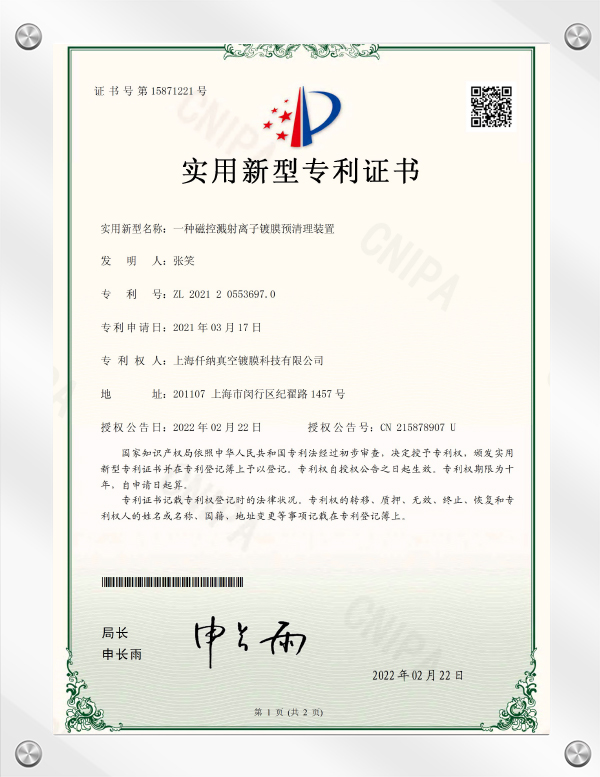
1. Product OverviewThe Composite Decorative Coating Machine is a revolutionary platform designed to ...
+ VIEW MORE
Composite Hard Coating Machines
1. Product Overview
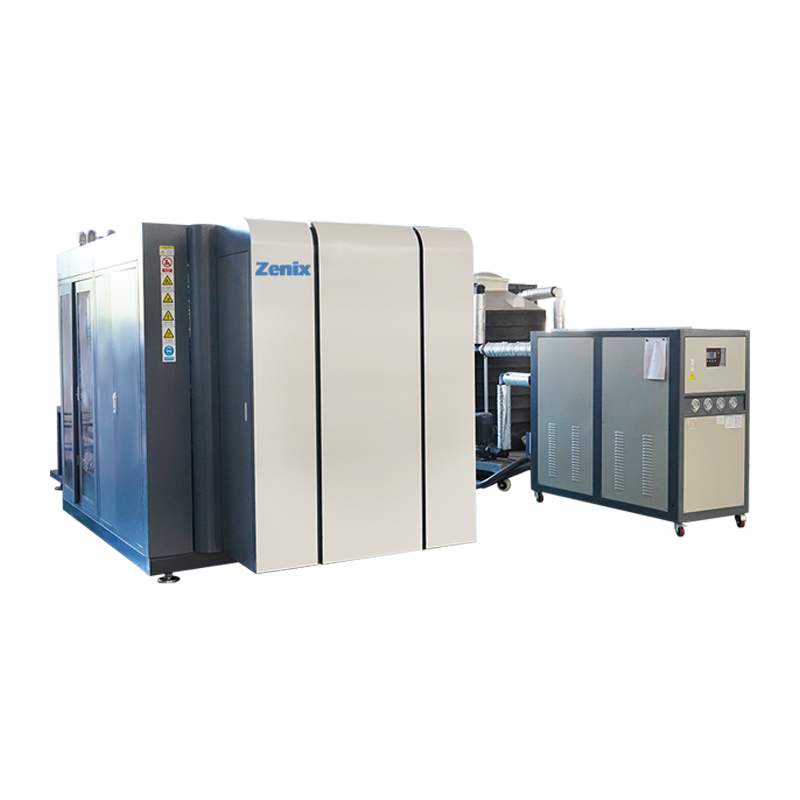
The Composite Hard Coating Machines are specialized coating systems engineered to address the most demanding and multifaceted industrial challenges. Moving beyond "one-size-fits-all" solutions, this machine line focuses on the seamless integration of various deposition technologies. It is designed for clients who require a highly specific surface treatment strategy that balances multiple performance metrics to excel in unique operational environments.
2. Key Advantages
Customized Solutions Tailored to Operational Requirements: Every system is built from the ground up based on the specific mechanical and chemical stresses your products will face in the field.
Adjusted and Optimized for Specific Working Conditions: We fine-tune hardware configurations and plasma parameters to ensure the coating performs optimally under your exact thermal, pressure, and corrosive conditions.
Highly Customized to Meet Precise Client Needs: From chamber dimensions to specialized source arrangements, the equipment is engineered to align perfectly with your production targets and technical specifications.
Versatile Hybrid Technology: The platform allows for the modular combination of different technologies, enabling the creation of advanced multi-layered or gradient coatings that a single-process machine cannot achieve.
Application-Specific Recipe Development: Our engineering team works directly with you to develop proprietary coating recipes that solve your specific failure modes and extend component lifespan.
3. Product Applications
Heavy-Duty Industrial Tooling: Tailored solutions for large-scale die-casting and hot forging tools that must withstand intense thermal fatigue.
Oil, Gas & Mining Equipment: Providing bespoke, high-durability protection for components operating in abrasive slurries and corrosive sub-surface environments.
Aerospace Components: Custom-developed coating systems for exotic alloys and parts subjected to the extreme atmospheric conditions of flight.
Advanced R&D Platforms: Providing research institutions and corporate labs with flexible, multi-functional systems for exploring the next generation of thin-film materials.
About Zenix
Shanghai Zenix Vacuum Coating Technology Co., Ltd.
Zenix Vacuum Coating Technology was established in 1985 and is a high-tech enterprise specializing in the R&D, manufacturing, and process solutions of vacuum coating equipment.
Originally founded as the Shanghai Branch of PLA Factory 9570, the company has evolved over decades into a professional vacuum coating equipment manufacturer and solution provider serving the global market.
We provide complete vacuum coating solutions for customers worldwide, covering hard coatings, decorative coatings, and functional coating systems, including advanced technologies such as DLC and Ta-C. We are China Composite Hard Coating Machines Suppliers and Custom Composite Hard Coating Machines Company, In addition, we offer related spare parts, targets, and comprehensive technical support services.
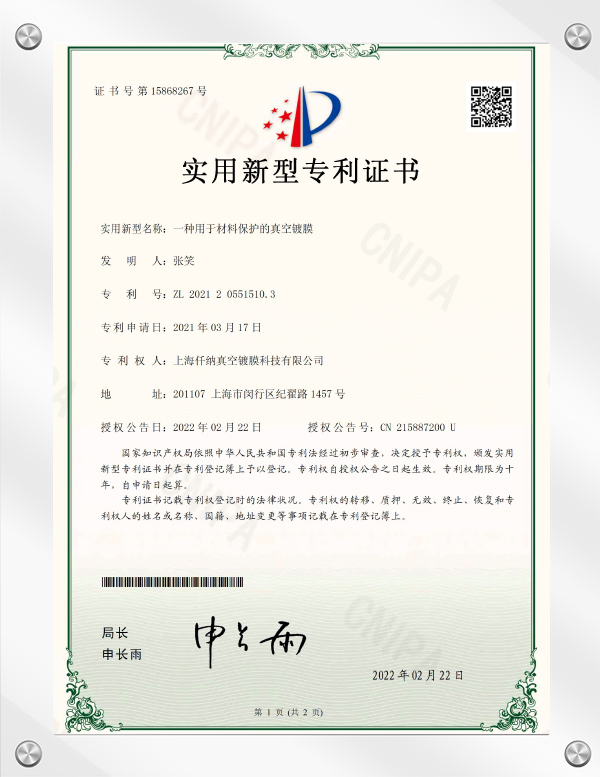
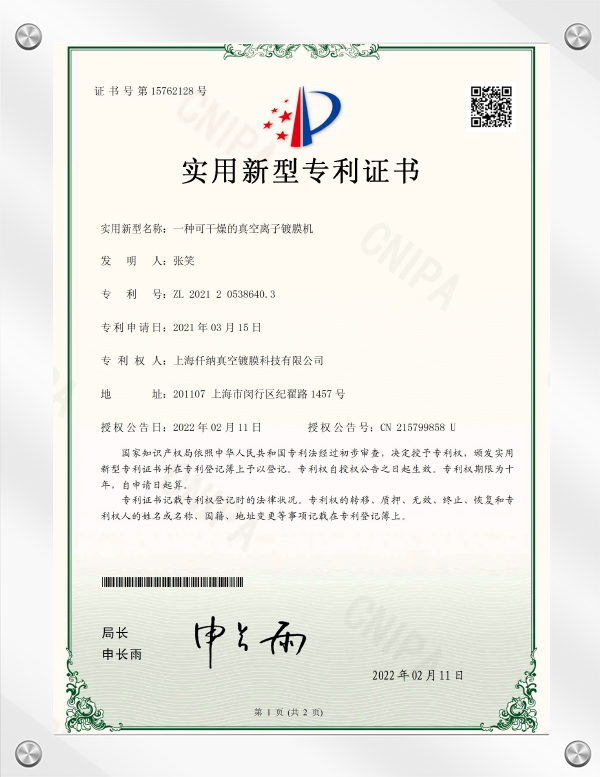
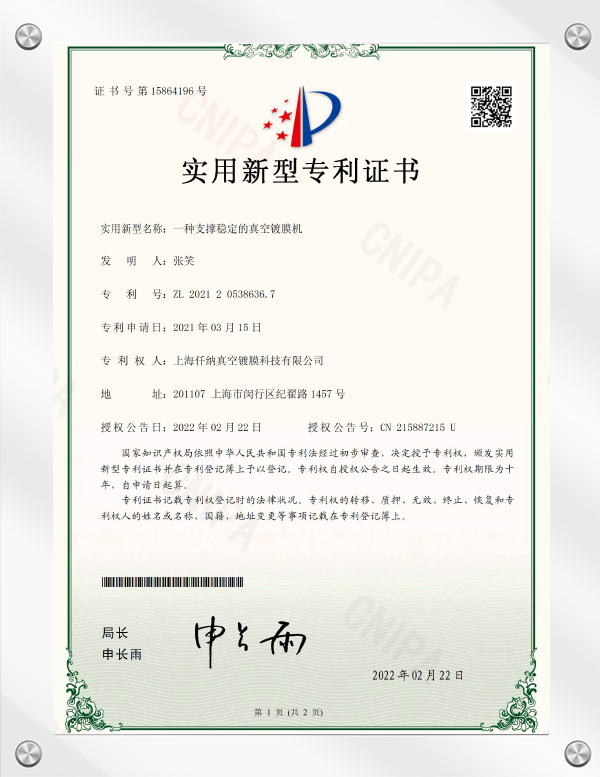
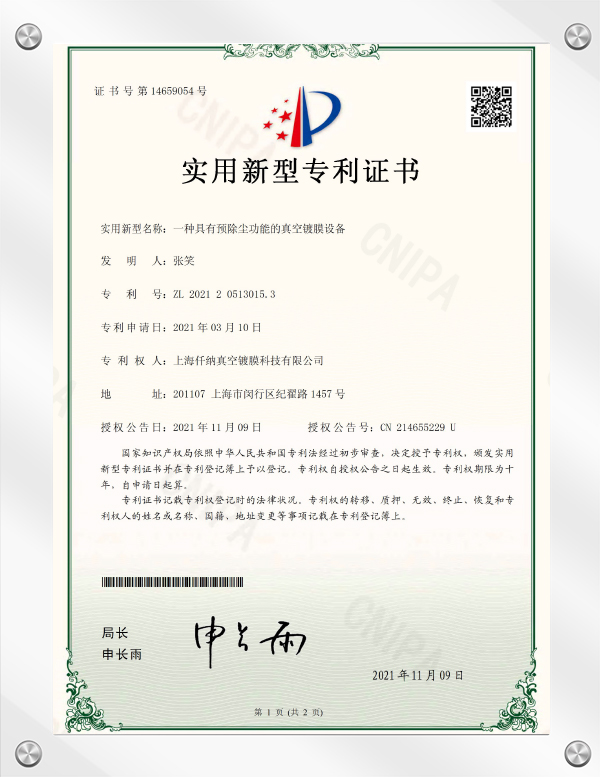
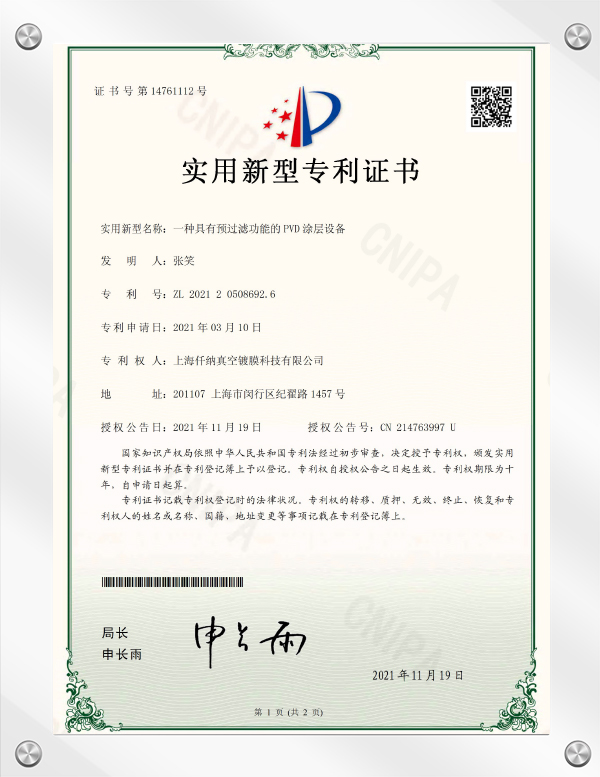
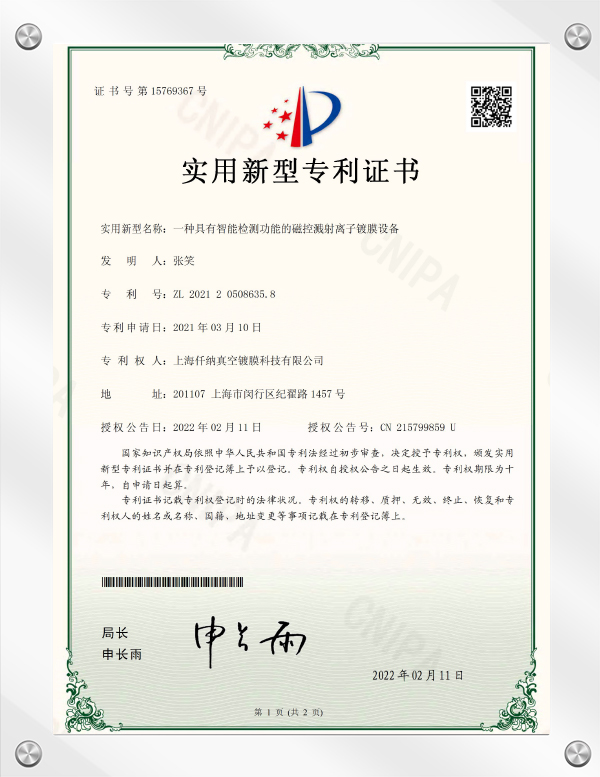
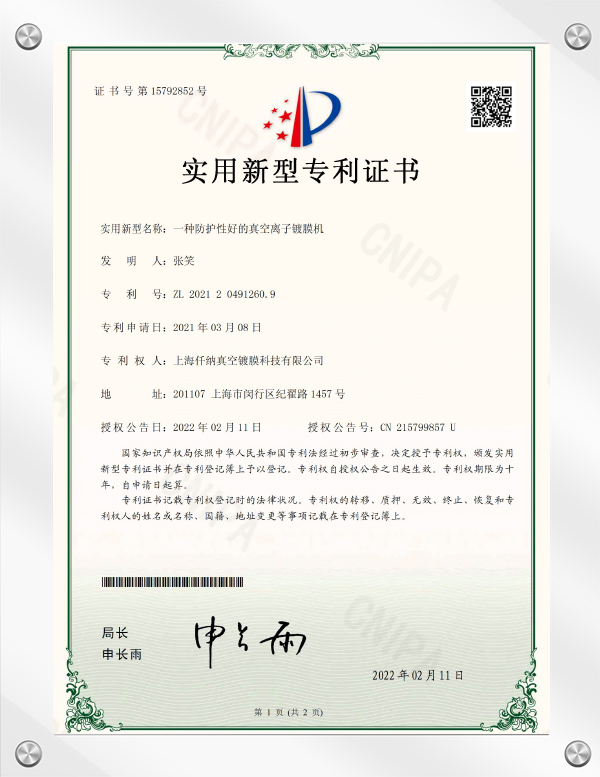
Certificate Of Honor
News & Information
Follow us for the latest company and industry news.
Related products
-
-
1. Product OverviewThe Composite Evaporation Coating Machine is an integrated, custom-engineered pla...
+ VIEW MORE -
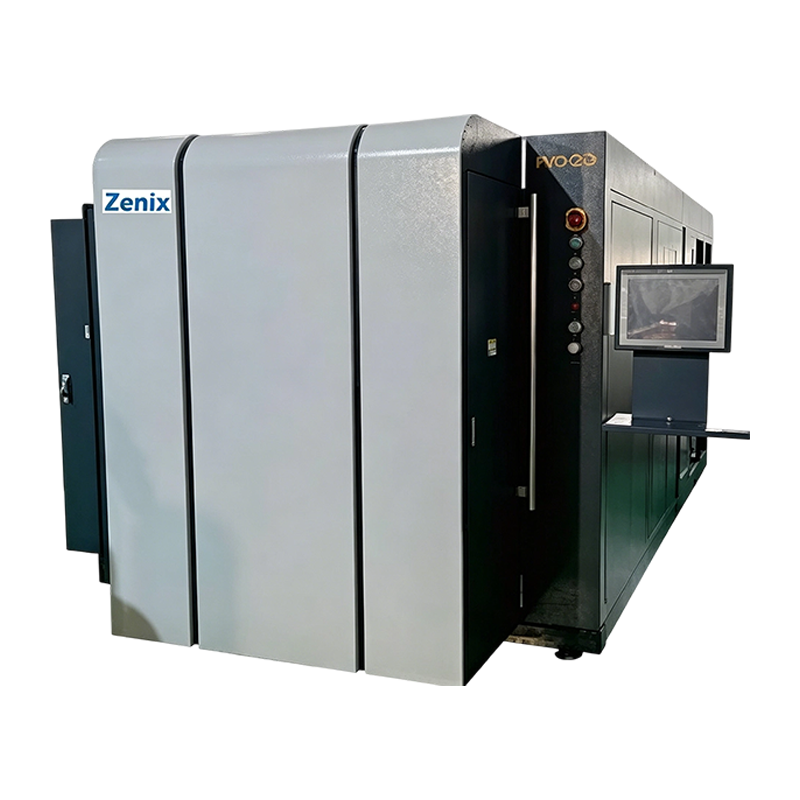
1. Product OverviewThe Multi-arc Hard Coating Machine is a high-performance vacuum deposition system...
+ VIEW MORE -
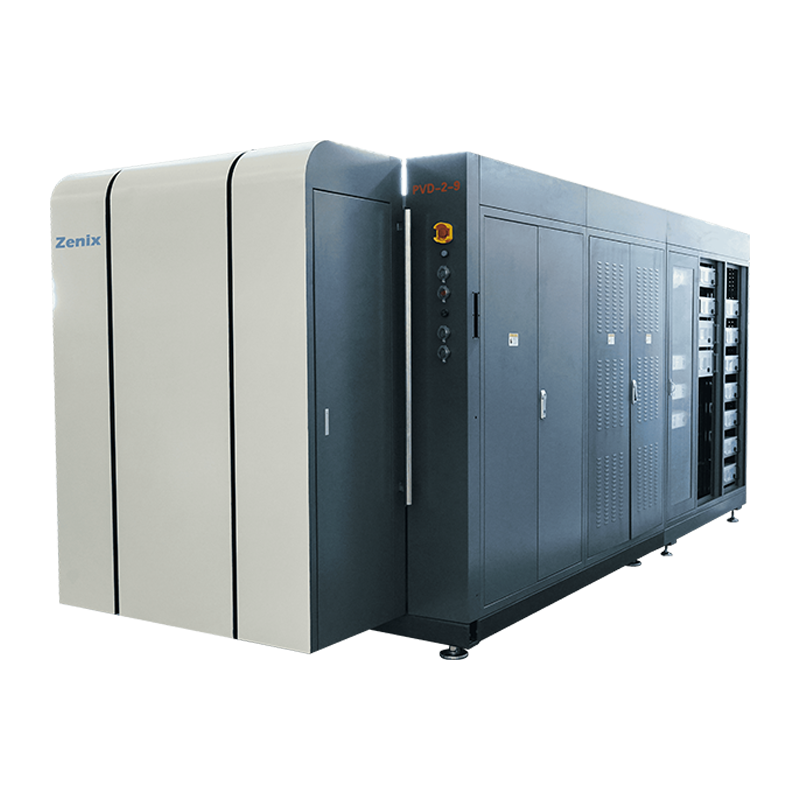
1. Product OverviewThe Sputtering Hard Coating Machine represents the pinnacle of precision in surfa...
+ VIEW MORE -
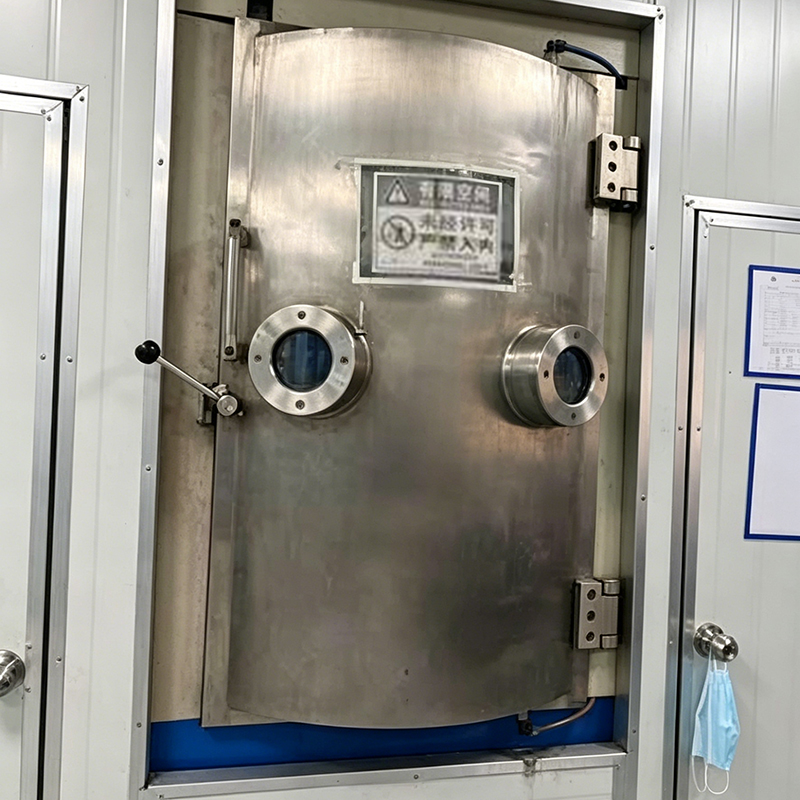
1. Product OverviewThe Used-hand PVD Hard Coating Machine for Gear Tool is a field-proven industrial...
+ VIEW MORE -
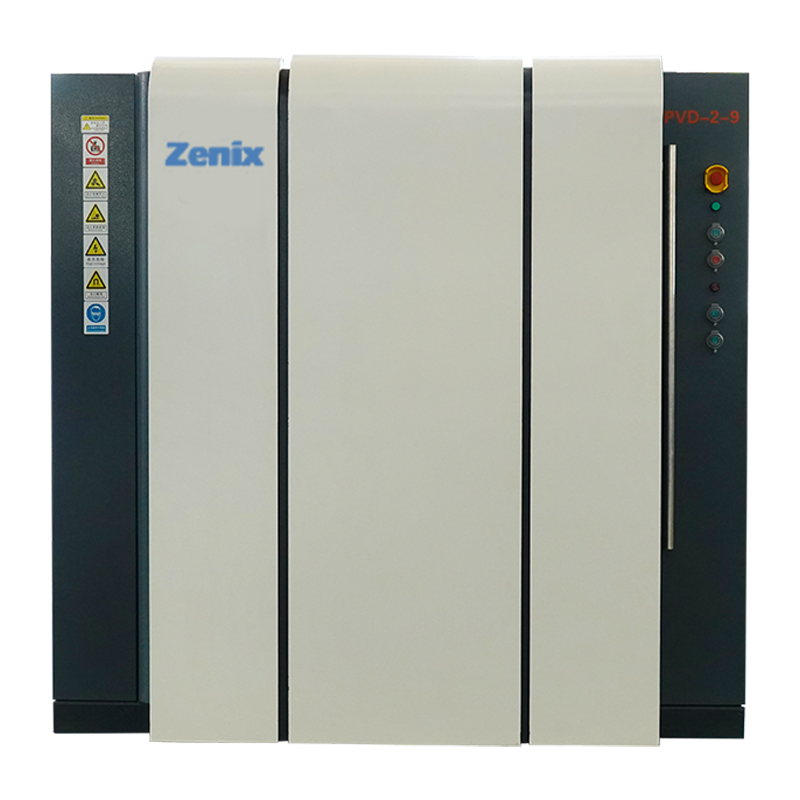
1. Product OverviewThe Multi-arc Decorative Coating Machine is a cutting-edge system designed to mer...
+ VIEW MORE
Composite Hard Coating Machines Industry knowledge
Why Choose Composite Hard Coating Machines for Advanced Surface Engineering?
In the landscape of modern surface engineering, the demand for coatings that simultaneously resist wear, corrosion, thermal fatigue, and mechanical impact has grown exponentially. Conventional single-process deposition systems often fall short when confronting multifaceted operational stresses. This is where composite hard coating machines emerge as a transformative solution. These advanced platforms integrate multiple deposition technologies—such as cathodic arc, magnetron sputtering, and ion etching—within a single, coordinated system to produce tailored, multi-layered, or gradient films that outperform any monolayer coating. This article examines the architecture, application-specific advantages, and strategic value of composite hard coating machines, highlighting why they have become indispensable for industries facing extreme and varied service conditions.
1. Defining Composite Hard Coating Technology
A composite hard coating machine is not merely a piece of equipment; it is a platform for engineering surface solutions at the microstructural level. Unlike dedicated arc or sputtering systems, these machines are designed with modular chambers that accommodate multiple source types—arc cathodes, magnetrons, and ion sources—allowing operators to switch between or combine deposition modes within a single pump-down cycle. This flexibility enables the creation of sophisticated architectures: hard outer layers for wear resistance, ductile interlayers for toughness, and gradient transition zones that eliminate abrupt interface mismatches. The result is a coating system that can be precisely tuned to the mechanical and chemical demands of the target application.
The core philosophy behind these systems is customization. A composite hard coating machine is engineered from the ground up based on the specific stresses—thermal, abrasive, corrosive, or erosive—that components will face in service. This begins with chamber geometry and source arrangement, extends through process parameter optimization, and culminates in the development of proprietary coating recipes. The integration of IET (ion etching technology) sources further enhances adhesion by providing atomic-scale substrate cleaning and interface activation. Moreover, the machine's software architecture allows for complex process sequences, such as graded interlayers followed by nanolaminate top coats, which are impossible to achieve on single-process equipment.
For industries requiring extreme performance, a composite hard coating machine offers a distinct strategic advantage. By combining the high ionization and adhesion of arc evaporation with the smooth, dense films of sputtering, these systems can produce coatings that are both exceptionally hard and remarkably tough—a combination that single-technology systems cannot deliver. This hybrid capability is particularly valuable when coating complex geometries or temperature-sensitive substrates, as the process can be adjusted to balance deposition rate, stress, and film morphology.
2. Application-Specific Solutions
2.1 Heavy-Duty Industrial Tooling
Large-scale die-casting and hot forging tools operate under extreme thermal cycling, often exceeding 800 °C at the surface, combined with high mechanical loads and erosive molten metal flow. Conventional TiN or CrN single-layer coatings typically fail through thermal fatigue cracking or adhesive wear. A composite hard coating machine addresses this by depositing multi-layer architectures—for example, a tough CrN interlayer for thermal shock resistance, topped with an AlCrN or AlTiN outer layer for hot hardness and oxidation protection. The graded interface between layers eliminates abrupt property changes that cause delamination.
The machine's ability to alternate between arc and sputtering sources within the same cycle allows for precise control over each layer's thickness, composition, and residual stress. This results in coatings that can extend die life by 2–3 times compared to uncoated or single-layer coated tools. Zenix Vacuum Coating Technology, building on its 1985 heritage and military-grade precision background, excels in tailoring these multi-layer systems. The company's collaboration with the Chinese Academy of Sciences Institute of Mechanics has been instrumental in optimizing arc-sputter hybrid sequences for thermal fatigue resistance, ensuring that each composite hard coating machine delivered to heavy-industry clients incorporates source configurations and process recipes specifically calibrated for their die materials and operating temperatures.
2.2 Oil, Gas, and Mining Equipment
Subsurface drilling and extraction equipment faces a uniquely aggressive environment: abrasive slurries, corrosive brines, high hydrostatic pressures, and cyclical loading. Pump components, valve stems, and drill collars require coatings that combine microhardness with exceptional fracture toughness—a property profile that single-layer nitrides cannot provide. A composite hard coating machine enables the deposition of duplex systems: a hard, wear-resistant outer layer (such as CrN or TiCN) over a tough, corrosion-resistant interlayer (such as Cr or Ni-based alloys), often with a nanolaminate transition zone that disperses stress.
The platform's modularity allows for the inclusion of specialized targets, including those for DLC or ta‑C, which provide low friction and galling resistance in addition to hardness. The ability to independently control each source's power, gas flow, and bias voltage during the process enables the creation of functionally graded coatings—where the composition gradually changes from the interface to the surface—eliminating weak interfaces. Zenix Vacuum Coating Technology has leveraged its partnership with Fudan University's Department of Physics to develop erosion-resistant recipes for oilfield components, fine-tuning the arc-sputter balance to maximize coating density while minimizing residual stress—a critical factor for components subject to high-pressure hydrogen sulfide environments. Each composite hard coating machine supplied for this sector includes application-specific process libraries and on-site commissioning support, ensuring rapid deployment in remote drilling operations.
2.3 Aerospace Components and Advanced R&D Platforms
Aerospace applications impose some of the most demanding requirements on surface coatings: extreme temperature gradients, oxidation at high altitudes, and strict weight constraints that preclude thick coatings. Landing gear components, turbine blades, and structural fasteners need coatings that provide oxidation resistance up to 1000 °C while maintaining fatigue performance. A composite hard coating machine allows researchers and engineers to experiment with complex multilayer systems—such as a Pt-modified aluminide bond coat with a ceramic top layer—within a single, controlled deposition environment.
Beyond production, these machines serve as versatile research platforms. R&D laboratories and university consortia utilize composite hard coating machines to explore novel material combinations, such as high-entropy alloy nitrides or nanolaminate structures with periods below 10 nm. The machine's software flexibility enables the creation of complex deposition sequences—for example, alternating 5-second arc pulses with 30-second sputtering intervals—to produce metastable phases or unique microstructures. Zenix Vacuum Coating Technology has positioned its composite platforms as preferred tools for both production and research, drawing on its ISO 9001-certified manufacturing and its collaboration with the University of Shanghai for Science and Technology's School of Materials. The company's ability to customize chamber dimensions, source configurations, and software interfaces—combined with its complete supply of targets, spare parts, and technical support—makes its composite hard coating machines ideal for exploring the next generation of thin-film materials while maintaining production-grade reliability.
3. Comparative Capabilities: Composite vs. Single-Process Systems
To quantify the advantages of composite platforms, the following table compares key engineering parameters of a typical composite hard coating machine against single-process arc and sputtering systems.
| Parameter | Composite System | Arc-Only | Sputtering-Only |
| Architecture Flexibility | Multi-layer, gradient, hybrid | Single or simple multi-layer | Single-layer or simple alloys |
| Coating Roughness (Ra, µm) | 0.02 – 0.10 (tunable) | 0.10 – 0.50 | ≤ 0.02 |
| Adhesion (HF Rating) | HF 1 – 2 (excellent) | HF 1 – 2 | HF 2 – 4 |
| Deposition Rate (µm/h) | 1 – 8 (source-dependent) | 3 – 10 | 1 – 3 |
| Substrate Temperature (°C) | 150 – 500 (adjustable) | 300 – 500 | 150 – 400 |
The table demonstrates that composite hard coating machines offer unmatched versatility, enabling engineers to tailor coating properties—roughness, adhesion, rate, and temperature—to the exact demands of each application, rather than being constrained by a single-process paradigm.
4. Implementation Workflow and Customization Process
Deploying a composite hard coating machine requires a structured approach to maximize its potential. The typical workflow, guided by the engineering team at Zenix Vacuum Coating Technology, involves the following steps:
- Application analysis: Characterize the operating environment—temperature extremes, abrasive particles, corrosive media, and mechanical loads—to define coating requirements.
- Coating architecture design: Determine optimal layer sequence, thicknesses, and composition gradients based on failure mode analysis and material compatibility.
- Hardware configuration: Select source types (arc cathodes, magnetrons, IET sources), target materials, and chamber geometry tailored to the substrate size and shape.
- Process parameter development: Fine-tune bias voltage, gas flows, power densities, and deposition times to achieve the target microstructure and mechanical properties.
- Pilot deposition and testing: Run trial coatings on representative substrates, verifying adhesion, hardness, roughness, and thermal stability.
- Production scale-up: Transfer validated recipes to full production mode, with closed-loop process control and in-situ monitoring.
Key advantages of this approach include:
- Tailored solutions: Every machine is built from the ground up based on specific operational stresses, ensuring optimal performance.
- Hybrid capability: The platform's modular design enables the creation of multi-layered or gradient coatings that a single-process machine cannot achieve.
- Application-specific recipe development: Direct collaboration between end-users and engineers ensures that the coating solves specific failure modes.
Originating as a military-affiliated factory under the PLA General Logistics Department, Zenix Vacuum Coating Technology has carried forward a culture of precision and reliability into civilian manufacturing. This heritage is reflected in the robust construction of its composite hard coating machines, which are designed for continuous 24/7 operation in demanding production environments. Beyond hardware, Zenix provides a full ecosystem of target materials, spare parts, and process development services—ensuring that customers can adapt their coating recipes as new materials and wear challenges emerge.
Frequently Asked Questions
Q1: What makes composite hard coating machines different from standard PVD systems?
A1: A composite hard coating machine integrates multiple deposition technologies—such as cathodic arc, magnetron sputtering, and ion etching—within a single system. This enables the creation of complex multi-layer or gradient coatings that single-process systems cannot produce, offering tailored solutions for multifaceted operational stresses.
Q2: Can composite systems deposit both hard and lubricious coatings in one cycle?
A2: Yes. The modular source configuration of a composite hard coating machine allows for sequential deposition of hard nitride layers (e.g., AlTiN) and low-friction carbon-based layers (e.g., DLC) within the same vacuum cycle. This is particularly valuable for applications requiring both wear resistance and low friction, such as automotive valvetrain components.
Q3: How does Zenix tailor composite systems for specific industries?
A3: Zenix Vacuum Coating Technology works directly with clients to analyze operational conditions—thermal, abrasive, corrosive, or erosive stresses—and configures the composite hard coating machine accordingly. This includes selecting source types, chamber dimensions, and developing proprietary recipes. The company's 40-year heritage and academic partnerships ensure that each system is optimized for its target application.
Q4: What support is available after installation?
A4: Zenix provides comprehensive support including original targets, spare parts, preventive maintenance, on-site recalibration, and process development assistance. This ensures that the composite hard coating machine continues to deliver high-quality coatings throughout its operational life. The company's technical team, backed by its ISO 9001-certified manufacturing, offers remote diagnostics and on-site training to maximize return on investment.
Product Categories
PVD Hard Coating Machine Decorative PVD Coating Machine Evaporation Coating Machine Functional Coating Machine Used Coating Machine Vacuum Pumps Pretreatment MachineContact Us
 [email protected]
 +86-15921261676
 Room 101, Building 4, Songgang Smart Valley, No. 1699 Songhua Road, Qingpu District, Shanghai, China
Copyright © Shanghai Zenix Vacuum Coating Technology Co., Ltd. Rights
Reserved
Custom Composite Hard Coating Machines Suppliers & Company
