

 English
  Español
  عربى
عربى  русский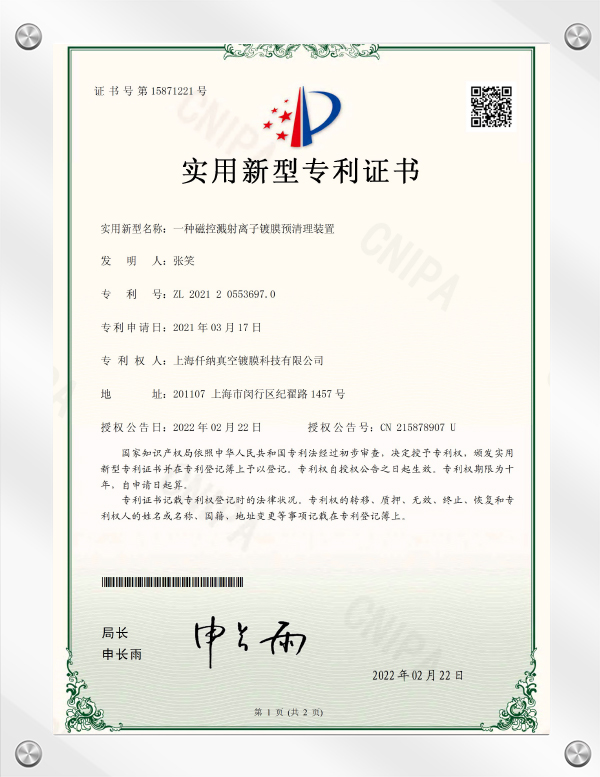
1. Product OverviewThe Composite Hard Coating Machines are specialized coating systems engineered to...
+ VIEW MORE
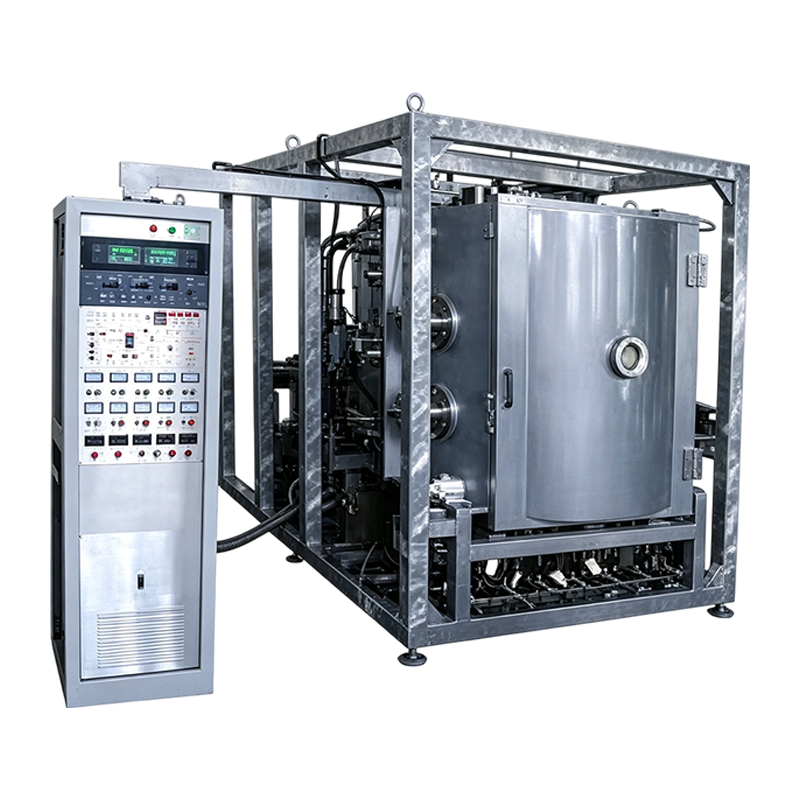
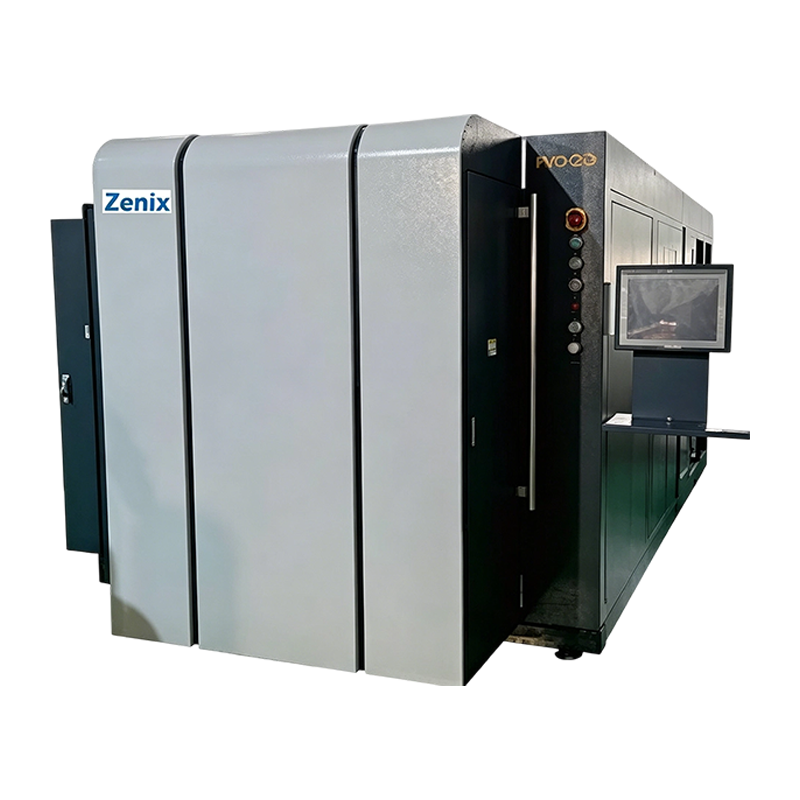
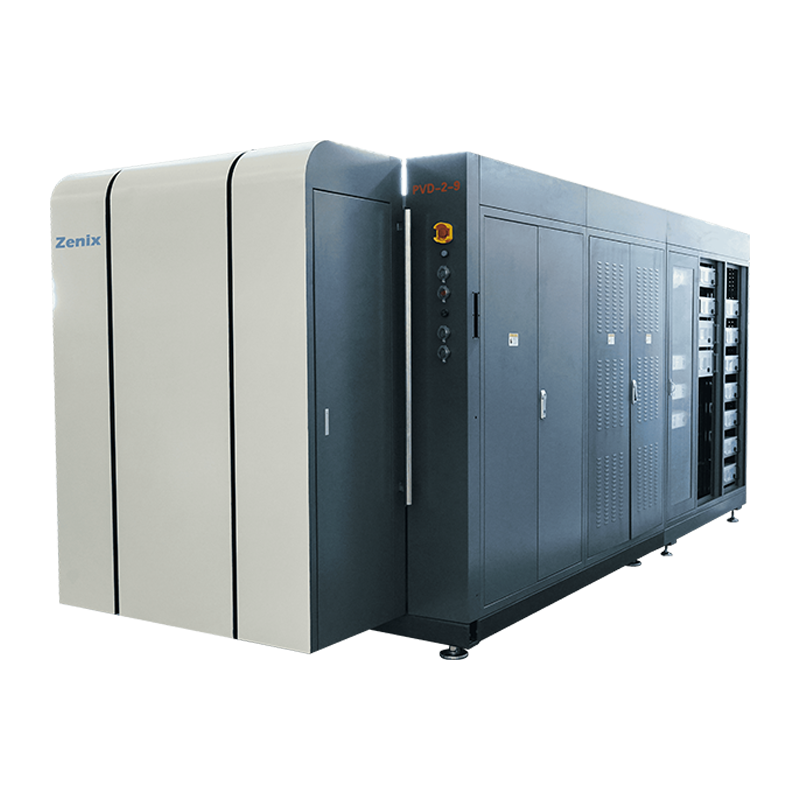
Composite Evaporation Coating Machine
1. Product Overview
The Composite Evaporation Coating Machine is an integrated, custom-engineered platform designed to transcend conventional technological boundaries. More than just a standard deposition system, it serves as a flexible production environment specifically for complex multi-layer film structures. By modularizing various evaporation sources and auxiliary energy fields, this machine provides precise thin-film solutions for high-end research and specialized industries that demand capabilities beyond standard off-the-shelf equipment.
2. Key Advantages
Customized Solutions Tailored to Operational Requirements: We move beyond fixed specifications. Every system is developed from the ground up—from chamber geometry to vacuum pumping speed—to ensure the equipment aligns perfectly with your existing production chain.
Adjusted and Optimized for Specific Working Conditions: For challenging substrates (such as high-curvature optics, flexible fibers, or heavy components), we perform directional optimization on thermal uniformity and ion-assisted fields to guarantee uncompromising film stability.
Highly Customized to Meet Precise Client Needs: Whether it’s the exact ratio control for co-evaporation or specific thickness monitoring requirements, the hardware and software are configured point-to-point to meet your unique R&D or industrial parameters.
Synergistic Multi-Source Integration: Supports the seamless combination of resistance heating, electron beam evaporation, and ion sources, utilizing cross-technology synergy to enhance film adhesion and refractive index tunability.
Exceptional System Flexibility and Scalability: The open control architecture allows for easy upgrades or swaps of core process modules as your business evolves, ensuring long-term asset protection and technological relevance.
3. Product Applications
Specialized Functional Thin Films: Research and development of complex composite layers with electromagnetic shielding, infrared stealth, or sensory functionalities.
Complex Precision Optics: Providing uniform full-coverage coating for asymmetric lenses, specialized reflective cavities, and other geometrically complex components.
Next-Generation Energy Devices: Achieving precise co-deposition of diverse materials for thin-film batteries, photovoltaics, and superconducting material research.
Advanced Aerospace Coatings: Delivering bespoke thermal control and protective coatings for spacecraft components operating under extreme temperature fluctuations and hard vacuum.
About Zenix
Shanghai Zenix Vacuum Coating Technology Co., Ltd.
Zenix Vacuum Coating Technology was established in 1985 and is a high-tech enterprise specializing in the R&D, manufacturing, and process solutions of vacuum coating equipment.
Originally founded as the Shanghai Branch of PLA Factory 9570, the company has evolved over decades into a professional vacuum coating equipment manufacturer and solution provider serving the global market.
We provide complete vacuum coating solutions for customers worldwide, covering hard coatings, decorative coatings, and functional coating systems, including advanced technologies such as DLC and Ta-C. We are China Composite Evaporation Coating Machine Suppliers and Custom Composite Evaporation Coating Machine Company, In addition, we offer related spare parts, targets, and comprehensive technical support services.
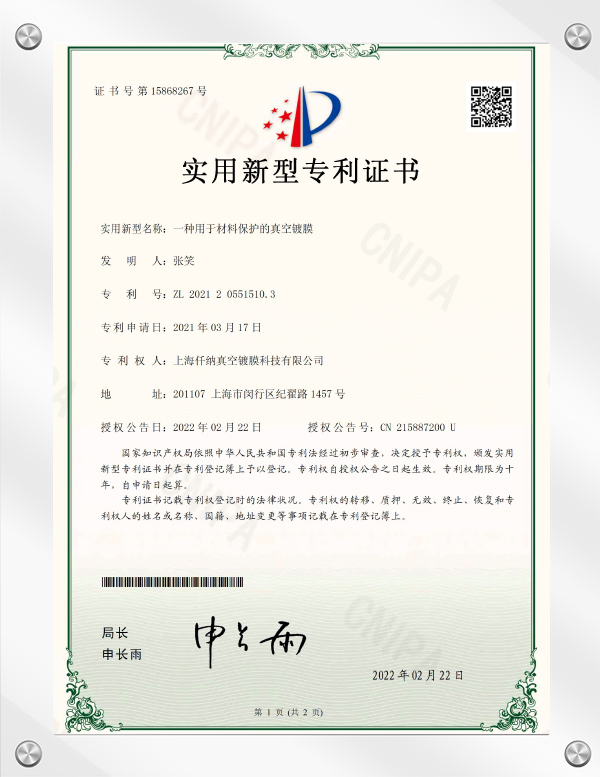
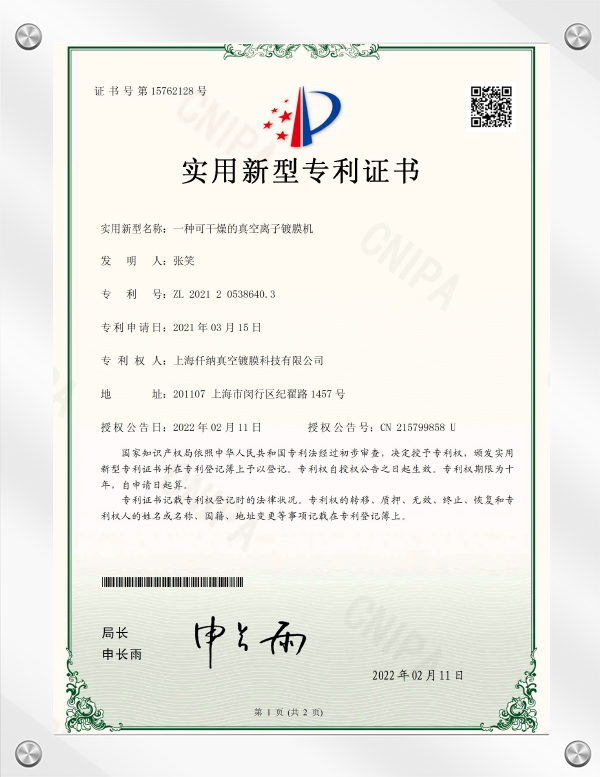
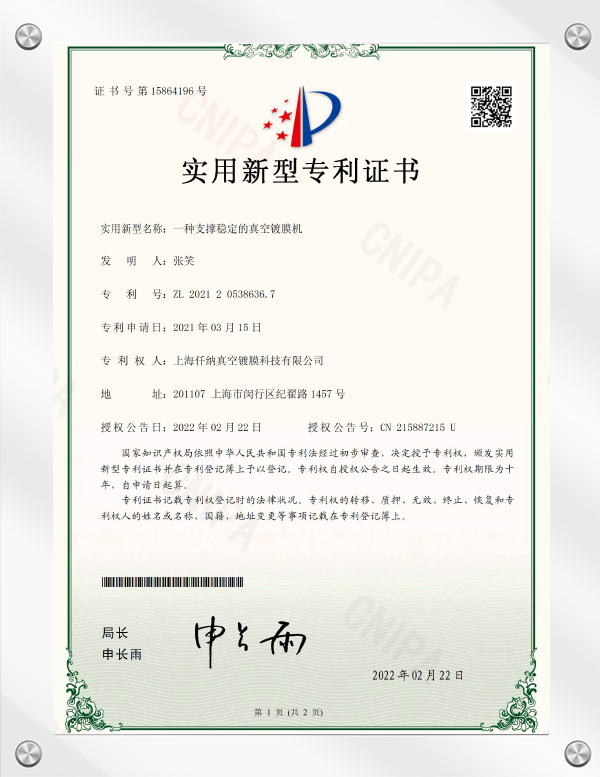
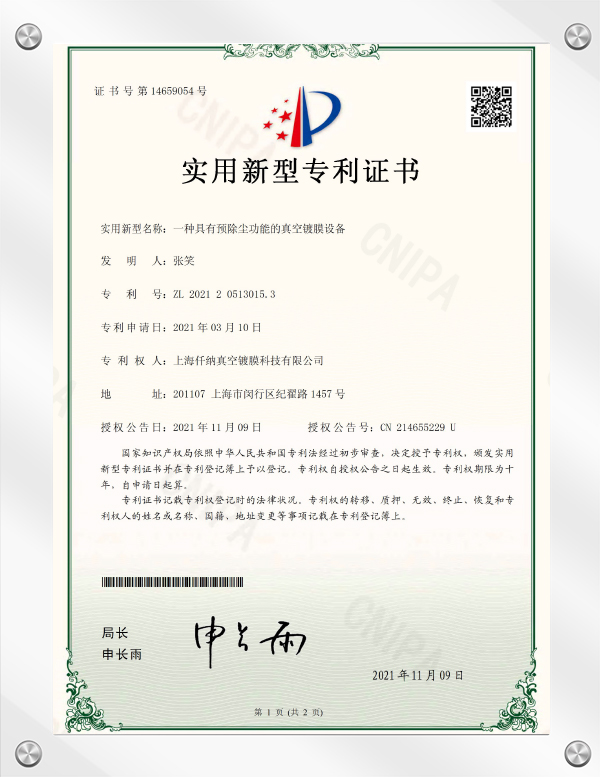
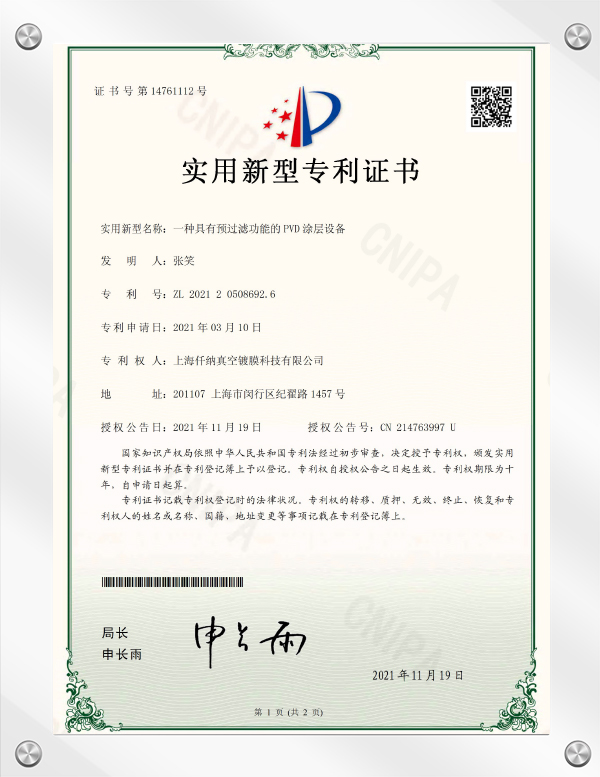
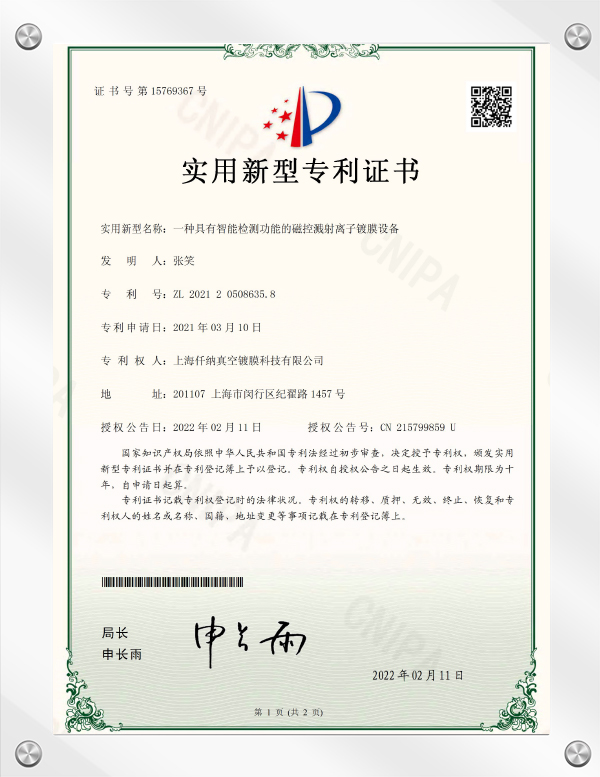
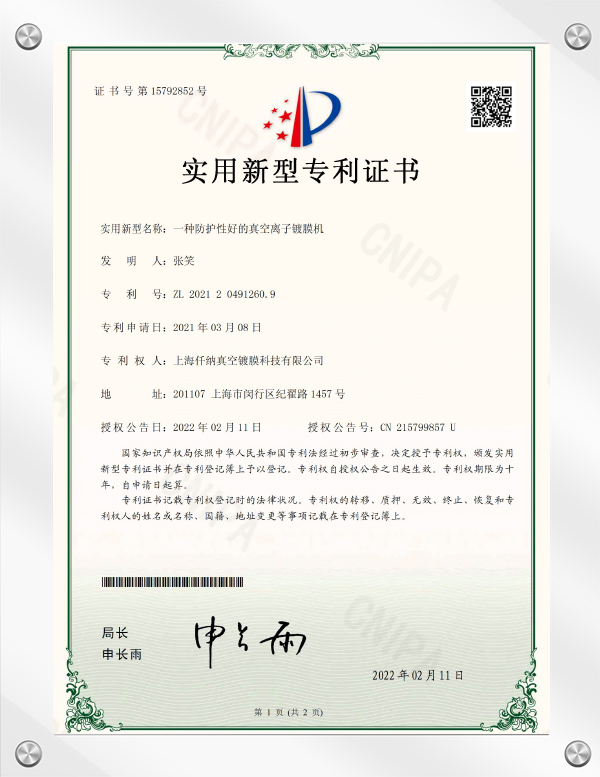
Certificate Of Honor
News & Information
Follow us for the latest company and industry news.
Related products
-
-
1. Product OverviewThe Composite Decorative Coating Machine is a revolutionary platform designed to ...
+ VIEW MORE -
1. Product OverviewThe Multi-arc Hard Coating Machine is a high-performance vacuum deposition system...
+ VIEW MORE -
1. Product OverviewThe Sputtering Hard Coating Machine represents the pinnacle of precision in surfa...
+ VIEW MORE -
1. Product OverviewThe Multi-arc Decorative Coating Machine is a cutting-edge system designed to mer...
+ VIEW MORE -
1. Product OverviewThe Sputtering Decorative Coating Machine is a precision-engineered system design...
+ VIEW MORE
Composite Evaporation Coating Machine Industry knowledge
Why Combine Evaporation with Other Technologies in a Composite Evaporation Machine?
In the landscape of advanced thin-film deposition, the limitations of single-process systems have become increasingly apparent. Conventional evaporation—whether resistance heating or electron-beam—produces films with inherent porosity, limited adhesion, and constrained material versatility. The composite evaporation coating machine addresses these limitations through a fundamentally different philosophy: integration. By combining multiple evaporation sources with auxiliary energy fields such as ion beams, plasma assistance, and co-evaporation capability, these systems deliver films with properties that transcend what any single technology can achieve. This article explores the rationale behind this technological convergence, examining how the composite evaporation coating machine enables new classes of functional coatings for the most demanding applications in optics, aerospace, and next-generation energy devices.
1. Core Architecture: The Power of Technological Synergy
A composite evaporation coating machine is defined by its modular, multi-source architecture. Unlike fixed-configuration systems, this platform integrates resistance heating sources for low-melting-point materials, electron-beam guns for refractory metals and dielectrics, and ion sources for pre-cleaning and ion-assisted deposition—all within a single vacuum chamber. The true power of this architecture lies in its ability to sequence or simultaneously operate these sources, enabling the creation of sophisticated multi-layer structures that combine the unique benefits of each technology.
The rationale for combining technologies is rooted in complementary strengths. Electron-beam evaporation offers high energy density, making it ideal for materials with high melting points such as tungsten, tantalum, and high-temperature oxides. However, e-beam films often exhibit columnar structures with limited density. Resistance heating, conversely, provides a gentle, stable flux for materials like aluminum and silver, but its thermal nature limits material selection. By integrating an ion source, the composite evaporation coating machine bombards the growing film with energetic ions, densifying the structure, improving adhesion, and enabling low-temperature deposition—a capability essential for temperature-sensitive substrates.
Perhaps the most transformative capability is synchronous co-evaporation. A composite evaporation coating machine can independently control multiple sources simultaneously, allowing the deposition of alloy films, compositionally graded layers, and doped oxides with precise stoichiometric control. This capability is essential for creating functionally graded films—where the composition gradually changes from the interface to the surface—eliminating the abrupt interfaces that can cause delamination in conventional multi-layer systems. The machine's open control architecture further supports customization, from chamber geometry to pumping speed, ensuring the system aligns perfectly with each client's unique production requirements.
2. Application-Specific Advantages Across Industries
2.1 Specialized Functional Thin Films
Research and development of functional thin films—for electromagnetic interference (EMI) shielding, infrared stealth, or sensory applications—demands coatings with precisely engineered optical, electrical, and magnetic properties. A composite evaporation coating machine enables the co-deposition of multiple materials (e.g., metals, dielectrics, and semiconductors) to achieve tailored electrical conductivity, optical transparency, or magnetic permeability. For example, a composite film may require a high-conductivity copper layer from resistance heating, a passivating aluminum oxide layer from e-beam evaporation, and an anti-reflection top layer from ion-assisted deposition—all in a single uninterrupted cycle.
The ion source provides critical densification for these functional films, ensuring that the optical and electrical properties are stable over time and under environmental exposure. Additionally, the machine's ability to produce compositionally graded interfaces eliminates stress concentration, a common failure mode in multi-layer functional coatings. The automated control algorithm manages the complex sequencing, ensuring that each layer achieves its target thickness and composition with high repeatability. Zenix Vacuum Coating Technology, with its 1985 heritage and deep expertise in functional coatings, offers composite evaporation coating machines specifically optimized for R&D and pilot production. The company's collaboration with the Chinese Academy of Sciences Institute of Mechanics has yielded advanced ion source configurations that provide stable beam current over extended runs, ensuring that research labs can translate experimental results into reproducible production processes.
2.2 Complex Precision Optics
The optical industry's relentless pursuit of higher performance drives demand for coatings on increasingly complex geometries—asymmetric lenses, specialized reflective cavities, freeform optics, and large-aperture mirrors. These components present extreme challenges for conventional PVD systems, which struggle to achieve uniform coverage on non-planar surfaces. A composite evaporation coating machine addresses these challenges through its customized chamber geometry and advanced substrate manipulation. The modular design allows for source placement optimized for the specific geometry, while planetary rotation systems ensure that all surfaces receive uniform flux.
The combination of evaporation sources and ion assistance is particularly valuable for complex optics. The evaporation sources provide the high-deposition-rate, high-purity films essential for optical interference stacks, while the ion beam performs two critical functions: pre-cleaning the substrate to remove contaminants, and densifying each layer during deposition. This densification is crucial for optical filters, as it eliminates moisture absorption that can cause spectral drift. Moreover, the ability to incorporate multiple materials—such as high-index Ta₂O₅ and low-index SiO₂—within a single system enables the fabrication of filters with steep edge slopes and high rejection levels. Zenix Vacuum Coating Technology, building on its partnership with Fudan University's Department of Physics, has developed specialized coating recipes for complex optics that leverage the composite platform's versatility. The company's ISO 9001-certified manufacturing ensures that each composite evaporation coating machine delivers the precision and reproducibility required for high-end optical applications, while its comprehensive support—including targets, spare parts, and process development—ensures that optical manufacturers can maintain cutting-edge capabilities.
2.3 Next-Generation Energy Devices and Advanced Aerospace Coatings
The energy sector—particularly thin-film batteries, photovoltaics, and superconducting materials—demands precise control over multi-element deposition. A composite evaporation coating machine excels here through its co-evaporation capability, allowing the simultaneous deposition of multiple elements at independently controlled rates. For thin-film lithium-ion batteries, this means the ability to deposit complex cathode materials (e.g., LiCoO₂) with precise stoichiometry, essential for achieving high energy density and cycle life. The ion source provides additional functionality: low-energy ion bombardment during deposition can tailor film stress, a critical factor for battery electrodes that must accommodate volume changes during cycling.
In the aerospace sector, spacecraft components face extreme temperature fluctuations in vacuum, requiring thermal control and protective coatings that maintain their properties under hard vacuum and intense UV radiation. The composite evaporation coating machine enables the deposition of bespoke multi-layer coatings—for example, a thermal control coating that combines a high-emissivity outer layer with a low-absorptivity reflective layer, each optimized by different source technologies. The system's scalability allows for coating of large structural components, while its custom engineering—from chamber geometry to fixturing—ensures that even the most irregularly shaped parts receive uniform coverage. Zenix Vacuum Coating Technology has leveraged its collaboration with the University of Shanghai for Science and Technology's School of Materials to develop specialized aerospace coating recipes. These composite evaporation coating machines incorporate advanced vacuum pumping systems and thermal control to handle the unique challenges of space-grade coatings. The company's complete solution approach—covering equipment, targets, spare parts, and technical support—ensures that customers in these demanding sectors can maintain high product quality while optimizing operating costs.
3. Comparative Capabilities Across Application Sectors
The following table compares the typical requirements and performance attributes of a composite evaporation coating machine across the three primary application clusters discussed.
| Parameter | Functional Thin Films | Complex Precision Optics | Energy Devices & Aerospace |
| Typical Coating Architecture | Multi-element alloys, graded layers | Multi-layer interference stacks | Complex multi-layer thermal/electrical |
| Number of Material Components | 3 – 6 (co-evaporated) | 2 – 4 (alternating layers) | 3 – 8 (graded and layered) |
| Substrate Complexity | Moderate (flat to simple curves) | High (freeform, asymmetric) | Varies (flat to large structures) |
| Critical Process Requirement | Stoichiometric control | Thickness uniformity & density | Large-area uniformity & adhesion |
The data demonstrates that a composite evaporation coating machine offers the flexibility to address each sector's unique demands—from the stoichiometric precision required for functional films to the geometric coverage essential for complex optics and the large-area uniformity needed for energy and aerospace applications—all within a single, scalable platform.
4. Operational Workflow and Customization Process
Deploying a composite evaporation coating machine involves a structured process that ensures the system is optimized for the client's specific products and performance targets. The typical workflow, guided by the engineering team at Zenix Vacuum Coating Technology, follows these steps:
- Requirement analysis: Characterize the product's operational environment and film performance requirements—optical, electrical, thermal, or mechanical.
- Coating architecture design: Determine the optimal layer sequence, material selection, and composition profiles based on performance targets and cost considerations.
- Source configuration: Select the combination of evaporation sources (resistance, e-beam) and auxiliary systems (ion sources, plasma assistance) required for the proposed architecture.
- Chamber and fixture design: Customize chamber geometry and fixturing systems to accommodate substrate size, shape, and batch size requirements.
- Process parameter development: Fine-tune source powers, ion energies, gas flows, and deposition sequences to achieve target film properties and uniformity.
- Prototype deposition and testing: Run trial coatings on representative substrates, verifying thickness, composition, adhesion, and functional performance.
- Production scale-up: Transfer validated recipes to full production mode with closed-loop process control and real-time monitoring.
Key advantages of the composite approach include:
- True custom engineering: Every system is developed from the ground up—from chamber geometry to vacuum pumping speed—to align perfectly with existing production workflows.
- Directional optimization: For challenging substrates (high curvature, flexible fibers, heavy components), thermal uniformity and ion-assisted fields are tailored to guarantee film stability.
- Point-to-point configuration: Hardware and software are configured specifically for unique R&D or industrial parameters, including co-evaporation ratio control and thickness monitoring.
- Cross-technology synergy: The seamless combination of resistance heating, e-beam evaporation, and ion sources enhances adhesion and refractive index tunability.
- Future-proof scalability: The open control architecture allows for easy upgrades or swaps of core process modules as business needs evolve.
Originating as a military-affiliated factory under the PLA General Logistics Department, Zenix Vacuum Coating Technology has carried forward a culture of precision and reliability into civilian manufacturing. This heritage is reflected in the robust construction of its composite evaporation coating machines, which are designed for continuous operation in demanding production environments. Beyond hardware, Zenix provides a full ecosystem of evaporation materials, ion source components, and process development services—ensuring that customers can maintain peak performance and adapt their processes as new materials and applications emerge.
Frequently Asked Questions
Q1: What is the primary advantage of combining multiple evaporation sources in one machine?
A1: The primary advantage is the ability to create complex, multi-layer, and co-deposited films that cannot be achieved with single-source systems. A composite evaporation coating machine enables the simultaneous deposition of multiple materials with independent rate control, allowing for precise stoichiometric engineering, graded interfaces, and tailored stress profiles.
Q2: Can the machine handle both research-scale and production-scale batches?
A2: Yes. The composite evaporation coating machine is designed with scalability in mind. Chamber sizes can range from small R&D systems (200 mm diameter) to large production platforms (1.2 meters or more), with corresponding source configurations. The modular control architecture supports process transfer from R&D to production with minimal revalidation.
Q3: What types of substrates can be coated?
A3: The composite evaporation coating machine supports a wide range of substrates, including rigid optics (glass, fused silica, silicon), flexible materials (polymer films, metal foils), and complex 3D shapes. Custom fixturing and optimized source arrangements ensure uniform coverage across diverse geometries.
Q4: What support does Zenix offer for custom process development?
A4: Zenix Vacuum Coating Technology provides comprehensive process development support, including on-site recipe optimization, material selection guidance, and coating architecture design. The company's engineering team collaborates directly with clients to develop proprietary coatings that address specific functional requirements. Zenix also supplies high-purity evaporation materials and ion source components to ensure process stability and long-term machine reliability.
Product Categories
PVD Hard Coating Machine Decorative PVD Coating Machine Evaporation Coating Machine Functional Coating Machine Used Coating Machine Vacuum Pumps Pretreatment MachineContact Us
 [email protected]
 +86-15921261676
 Room 101, Building 4, Songgang Smart Valley, No. 1699 Songhua Road, Qingpu District, Shanghai, China
Copyright © Shanghai Zenix Vacuum Coating Technology Co., Ltd. Rights
Reserved
Custom Composite Evaporation Coating Machine Suppliers & Company
