

 English
  Español
  عربى
عربى  русский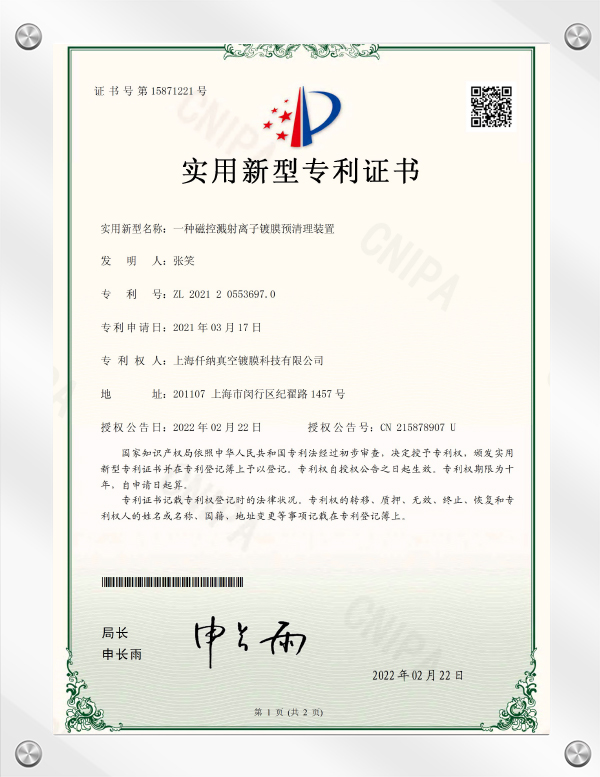
1. Product OverviewThe Resistance Heating Evaporation Machine is a classic and highly reliable vacuu...
+ VIEW MORE
Ion Beam Evaporation Machine
1. Product Overview
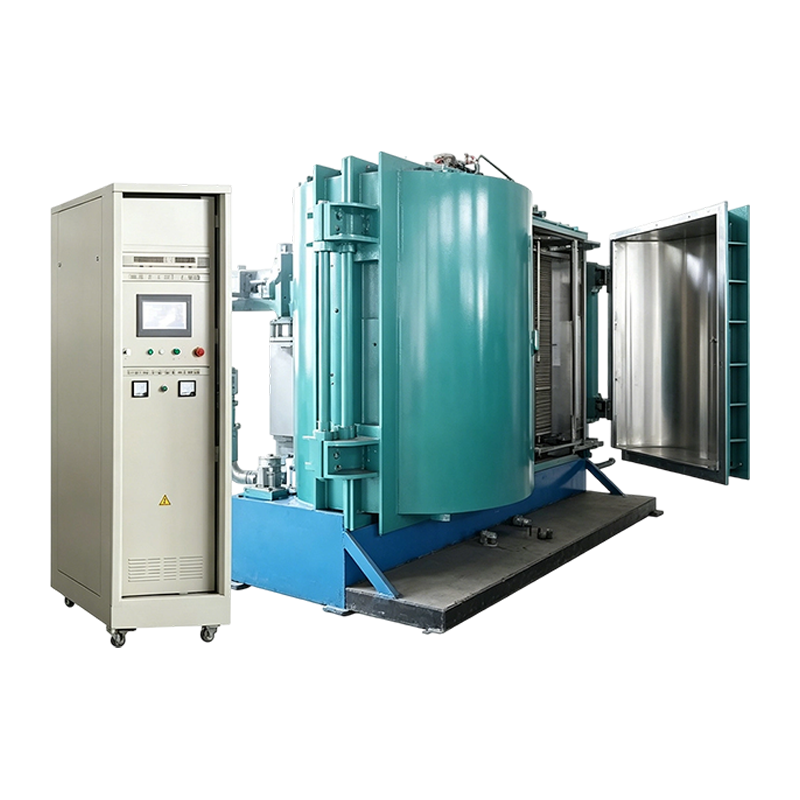
The Ion Beam Evaporation Machine is a cutting-edge deposition system that merges traditional thermal evaporation with high-energy ion beam technology. By incorporating ion-assisted deposition (IAD), this machine overcomes the limitations of conventional evaporation, such as porous structures and weak adhesion. It is designed to construct ultra-dense, high-performance thin films at rapid production speeds, serving as the premier platform for achieving superior film purity and structural integrity.
2. Key Advantages
Wide Range of Evaporation Materials: Leveraging the energy density of the ion beam, this system handles not only low-melting-point metals but also refractory metals and various oxides with ease, significantly expanding your process horizons.
Excellent Film Purity and Uniformity: Within a pristine vacuum environment, ion-assisted bombardment effectively eliminates impurities and densifies the film. Combined with an optimized planetary rotation system, it ensures precise thickness and refractive index consistency across complex substrates.
High Production Efficiency and Capacity: The system architecture balances laboratory-level precision with industrial-scale output. Featuring high-volume loading chambers and fast cycle times, it maximizes factory throughput without compromising film quality.
Intelligent Automated Operating System: Equipped with an advanced closed-loop control algorithm, the system provides real-time monitoring and dynamic compensation of ion source parameters and deposition rates. This automation eliminates human error and guarantees exceptional process repeatability.
3. Product Applications
Precision Optical Filters: Ideal for manufacturing narrow bandpass filters, anti-reflection (AR) coatings, and high-reflectivity mirrors with exacting optical specifications.
Semiconductor Power Devices: Depositing high-purity metal electrode layers and back-metal coatings in wafer processing to ensure superior electrical performance.
Laser Gyroscopes & Sensors: Providing ultra-low scattering and exceptionally dense coatings for optical components that are highly sensitive to loss.
High-Performance Flexible Electronics: Utilizing auxiliary energy to grow high-quality functional films on temperature-sensitive flexible substrates.
About Zenix
Shanghai Zenix Vacuum Coating Technology Co., Ltd.
Zenix Vacuum Coating Technology was established in 1985 and is a high-tech enterprise specializing in the R&D, manufacturing, and process solutions of vacuum coating equipment.
Originally founded as the Shanghai Branch of PLA Factory 9570, the company has evolved over decades into a professional vacuum coating equipment manufacturer and solution provider serving the global market.
We provide complete vacuum coating solutions for customers worldwide, covering hard coatings, decorative coatings, and functional coating systems, including advanced technologies such as DLC and Ta-C. We are China Ion Beam Evaporation Machine Suppliers and Custom Ion Beam Evaporation Machine Company, In addition, we offer related spare parts, targets, and comprehensive technical support services.
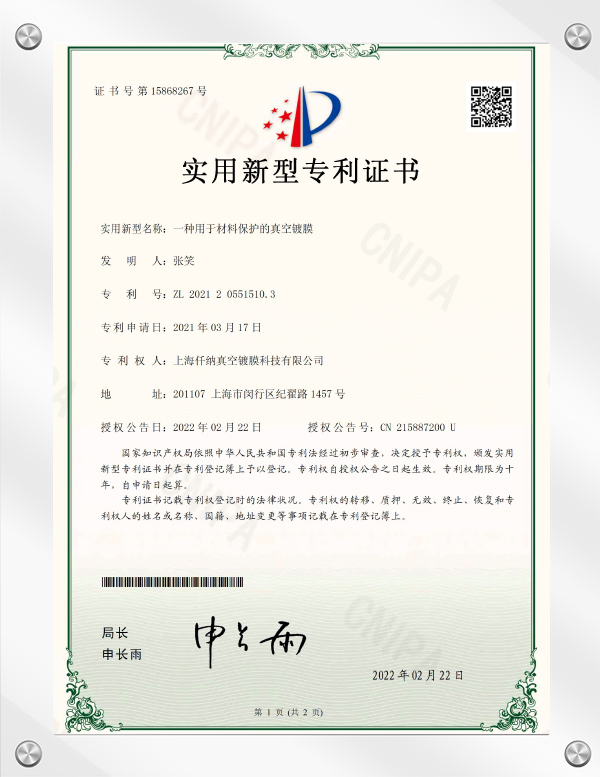
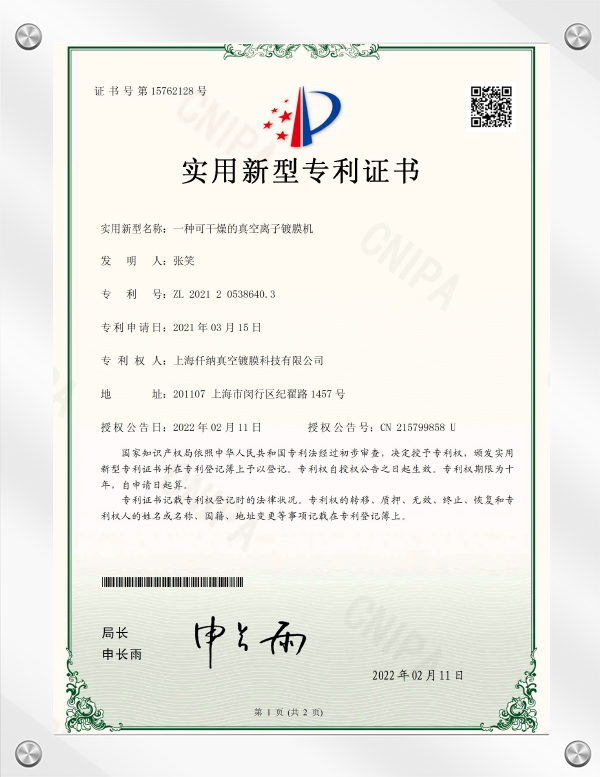
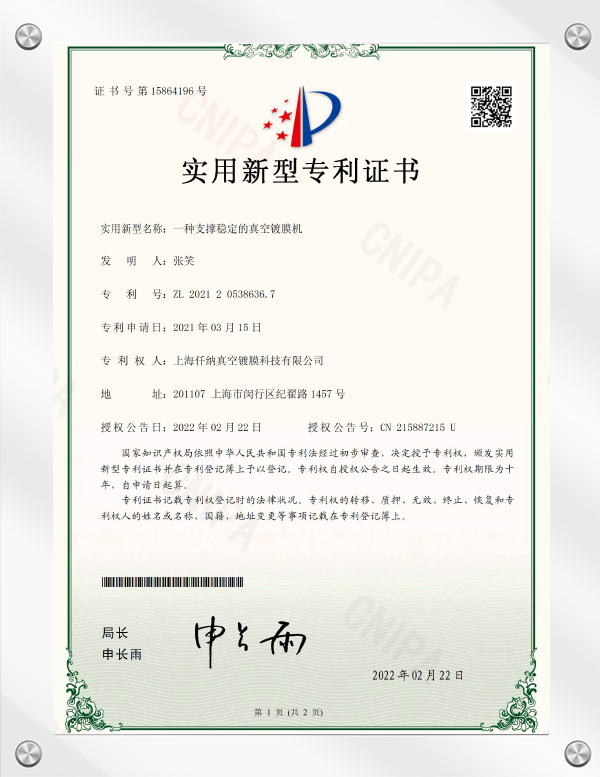
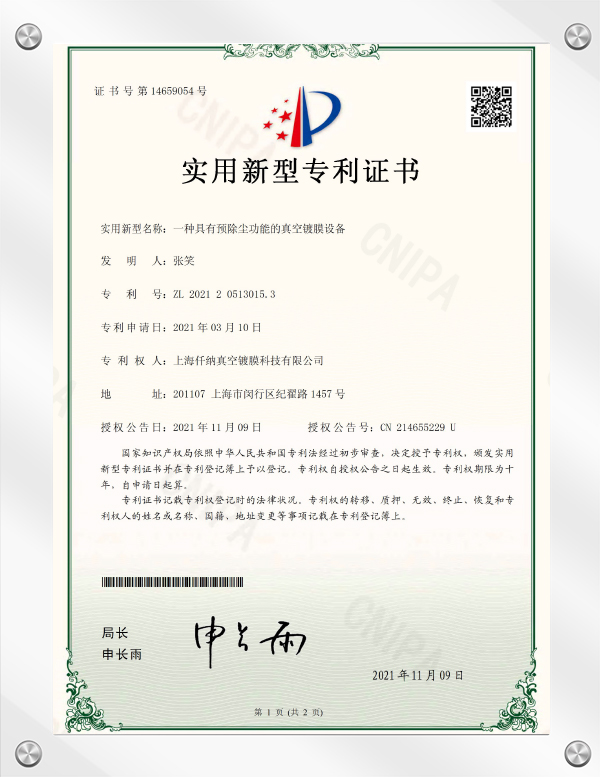
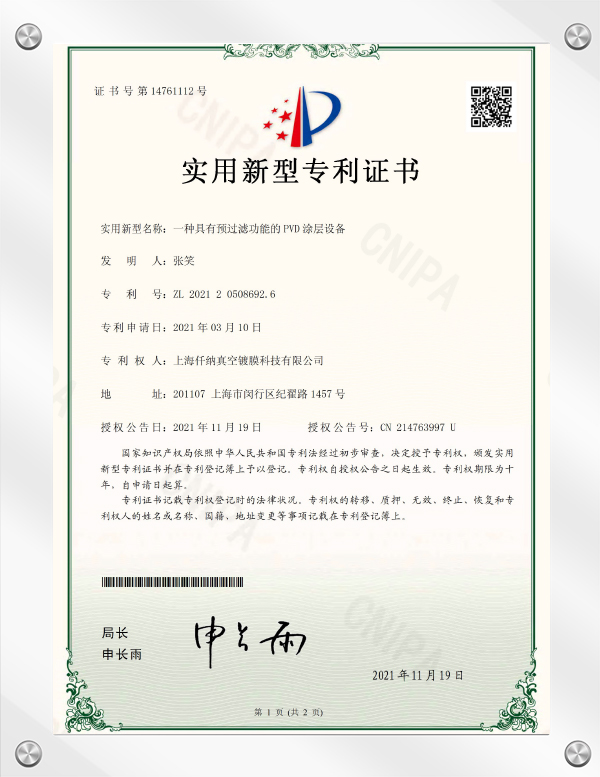
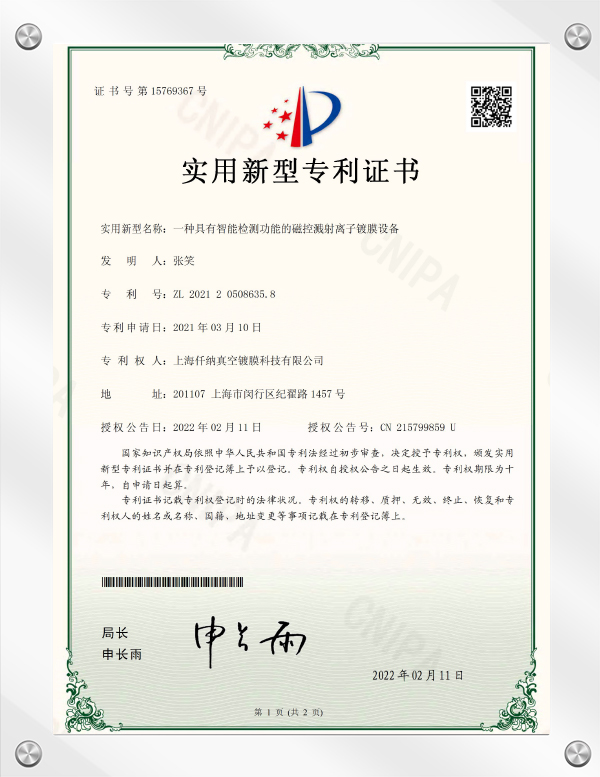
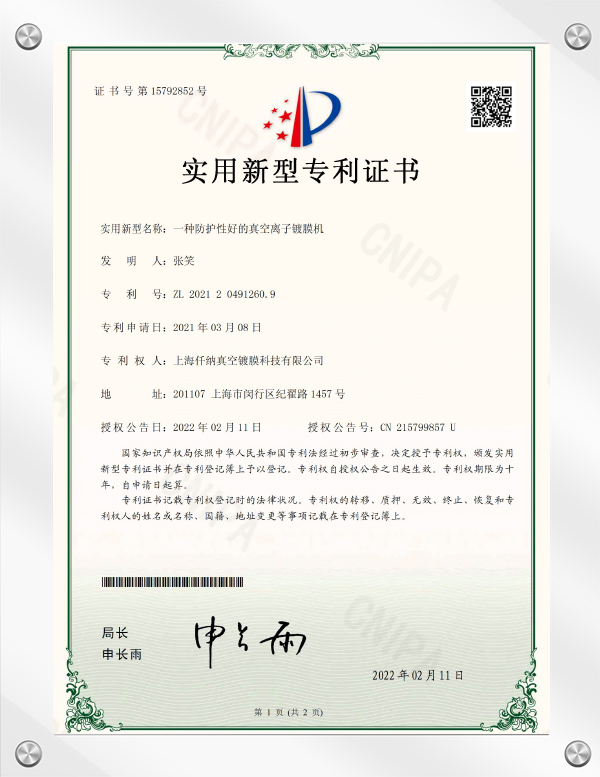
Certificate Of Honor
News & Information
Follow us for the latest company and industry news.
Related products
-
-
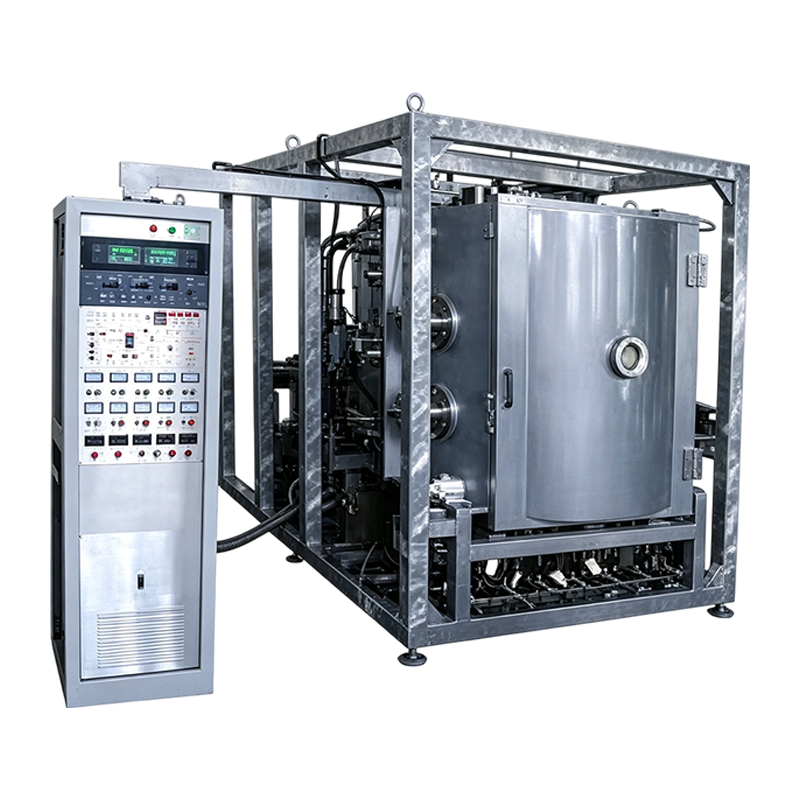
1. Product OverviewThe Composite Evaporation Coating Machine is an integrated, custom-engineered pla...
+ VIEW MORE -
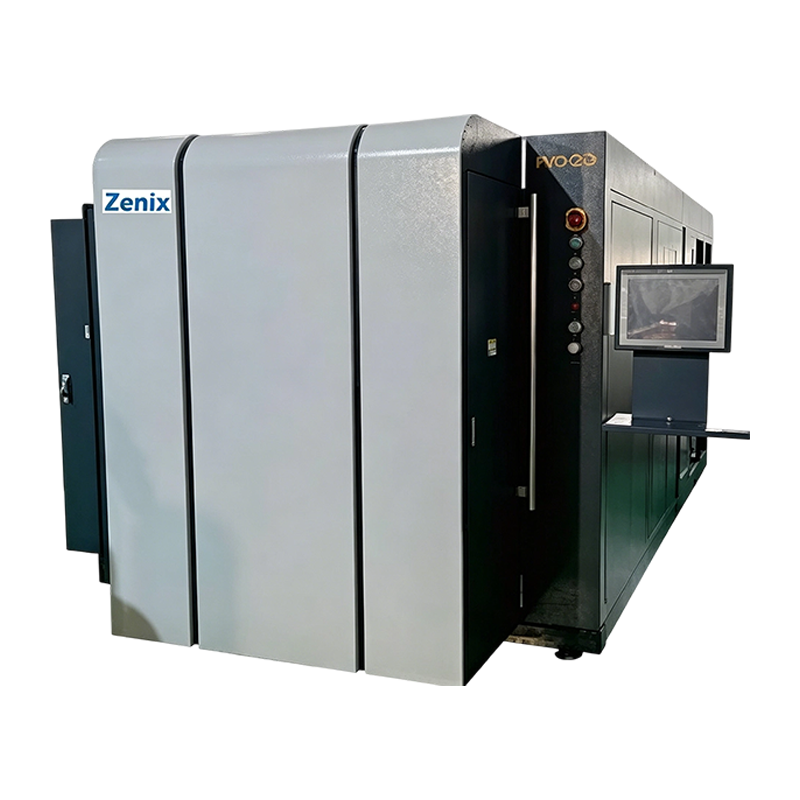
1. Product OverviewThe Multi-arc Hard Coating Machine is a high-performance vacuum deposition system...
+ VIEW MORE -
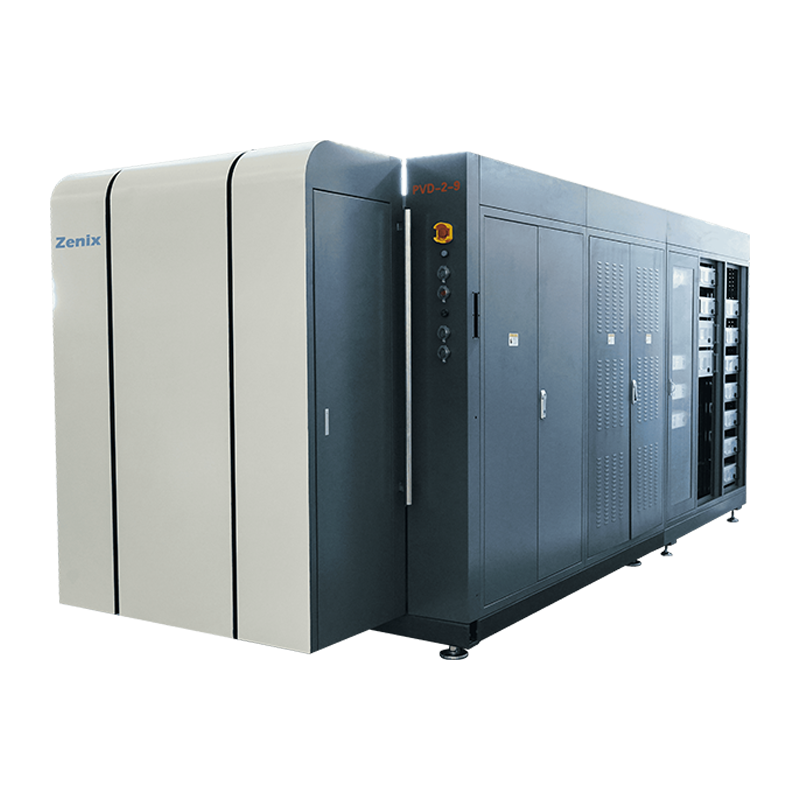
1. Product OverviewThe Sputtering Hard Coating Machine represents the pinnacle of precision in surfa...
+ VIEW MORE -
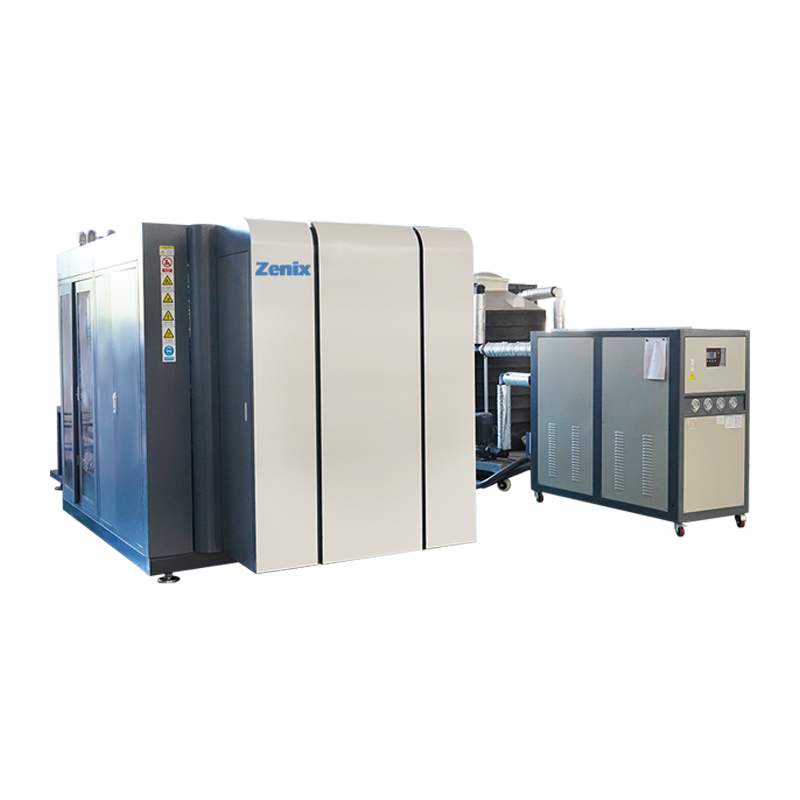
1. Product OverviewThe Composite Hard Coating Machines are specialized coating systems engineered to...
+ VIEW MORE -
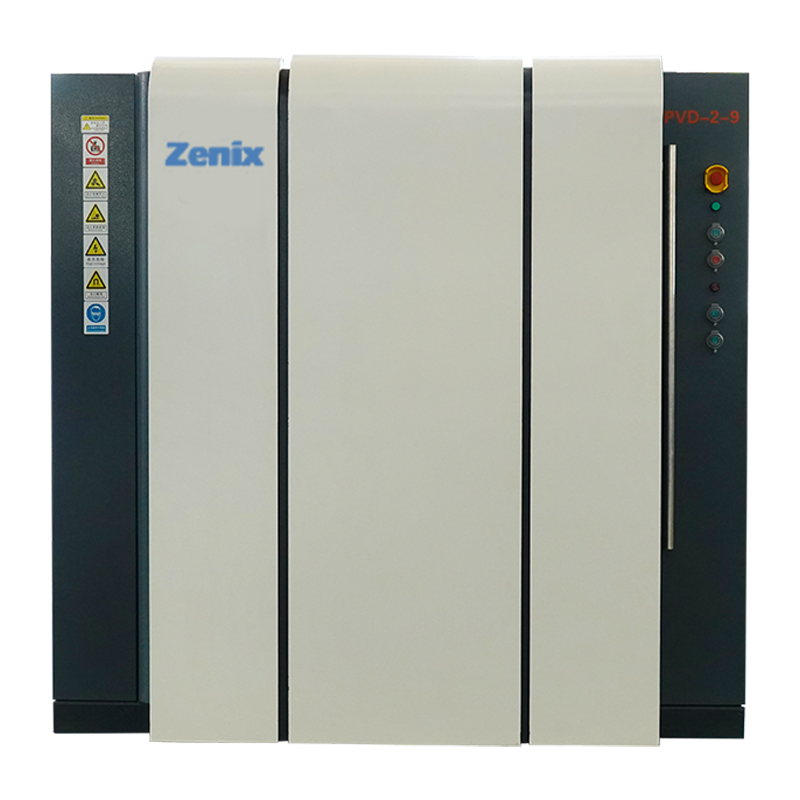
1. Product OverviewThe Multi-arc Decorative Coating Machine is a cutting-edge system designed to mer...
+ VIEW MORE
Ion Beam Evaporation Machine Industry knowledge
How Does Ion Beam Evaporation Produce High-Quality Optical Films?
In the demanding world of optical coating manufacturing, film quality is measured not merely by thickness or adhesion, but by optical performance—refractive index precision, scattering loss, and environmental stability. Conventional thermal evaporation, while cost-effective, often produces porous, columnar films that absorb moisture and scatter light, compromising optical efficiency. The ion beam evaporation machine addresses these limitations by integrating ion-assisted deposition (IAD) with traditional evaporation, delivering ultra-dense, stoichiometrically precise films that meet the exacting standards of modern optics. This article explores the mechanisms by which ion beam evaporation machines produce superior optical films, examines their application across critical industries, and demonstrates why this technology has become indispensable for high-performance optical systems.
1. Core Mechanisms: How Ion Beam Evaporation Elevates Film Quality
A ion beam evaporation machine operates through a synergistic combination of two physical processes: thermal evaporation and ion beam bombardment. The evaporation source—typically an electron beam or resistance heater—vaporizes the coating material, creating a molecular flux that travels toward the substrate. Simultaneously, a high-energy ion beam (typically argon or oxygen ions, accelerated to 100–1000 eV) is directed at the growing film. This ion bombardment transfers kinetic energy to the adsorbed atoms, enhancing their surface mobility and promoting densification. The result is a film with bulk-like density, reduced porosity, and improved mechanical and optical properties.
The ion beam serves multiple critical functions beyond densification. It provides energetic cleaning of the substrate surface before deposition, removing adsorbed contaminants and native oxides that could compromise adhesion. During deposition, the ion beam sputters away loosely bonded atoms, effectively eliminating columnar grain boundaries that can act as optical scattering centers. Furthermore, in reactive processes—such as depositing oxides or nitrides—the ion beam can supply reactive species (e.g., oxygen ions) that ensure complete stoichiometric oxidation, eliminating the sub-stoichiometric defects common in conventional reactive evaporation.
A defining feature of modern ion beam evaporation machine designs is the closed-loop control system that dynamically compensates for source aging and deposition rate drift. Advanced optical monitoring—often utilizing broadband or monochromatic light—provides real-time feedback on film thickness and refractive index, enabling the system to adjust ion beam parameters and evaporation rates on the fly. This automation ensures that each layer in a multi-layer interference stack achieves its exact optical thickness, a critical requirement for narrow bandpass filters and anti-reflection coatings. The integration of intelligent control algorithms eliminates human error and guarantees exceptional process repeatability across production runs.
2. Application-Specific Advantages in Optical Film Production
2.1 Precision Optical Filters
Precision optical filters—including narrow bandpass filters, edge filters, and anti-reflection (AR) coatings—represent the most demanding application for ion beam evaporation. These components require layer thickness control at the sub-nanometer level and refractive index uniformity across large apertures. A ion beam evaporation machine excels in this domain by delivering dense, environmentally stable films that maintain their optical properties under varying temperature and humidity conditions. The ion-assisted process eliminates the moisture adsorption that plagues conventionally evaporated films, which can cause spectral shifts of 5–10 nm in humid environments.
The technology's ability to deposit high-index materials like Ta₂O₅ and Nb₂O₅, as well as low-index SiO₂, with exceptional precision enables the construction of complex interference stacks with steep spectral edges and high rejection levels. For telecom filters operating in the near-infrared, the ion beam evaporation machine delivers films with scattering losses below 10 ppm, ensuring minimal signal attenuation. The planetary rotation system further enhances uniformity, achieving thickness variations of less than ±0.5% across 200 mm substrates. Zenix Vacuum Coating Technology, with its 1985 heritage and deep expertise in optical coating systems, offers ion beam evaporation machines specifically calibrated for precision filter production. The company's collaboration with the Chinese Academy of Sciences Institute of Mechanics has yielded advanced ion source designs that provide stable beam current over extended production runs, ensuring that optical filter manufacturers maintain consistent spectral performance.
2.2 Semiconductor Power Devices
In semiconductor manufacturing, particularly for power devices such as IGBTs and MOSFETs, the deposition of high-purity metal electrode layers is critical for device performance and reliability. A ion beam evaporation machine offers distinct advantages for these applications: the ion beam pre-cleaning step removes surface oxides and contaminants from the wafer surface, ensuring low contact resistance. The energetic ion bombardment also promotes adhesion of metal films—aluminum, titanium, nickel, and copper—to the underlying silicon or silicon carbide substrate.
The system's ability to handle refractory metals and alloys with precision is particularly valuable for power devices that must withstand high current densities and operating temperatures. The dense, defect-free films produced by ion beam evaporation exhibit lower electromigration susceptibility and improved thermal stability compared to sputtered or conventionally evaporated films. Furthermore, the ion beam process can be conducted at relatively low substrate temperatures (150–300 °C), minimizing thermal stress on sensitive device structures. Zenix Vacuum Coating Technology has leveraged its partnership with Fudan University's Department of Physics to develop specialized ion beam recipes for semiconductor metallization. The company's ISO 9001-certified manufacturing ensures that each ion beam evaporation machine delivers the purity and uniformity required for high-yield wafer processing, while its comprehensive support ecosystem—including targets, spare parts, and process development—ensures that semiconductor manufacturers can maintain uninterrupted production.
2.3 Laser Gyroscopes, Sensors, and Flexible Electronics
Laser gyroscopes and precision optical sensors represent the extreme edge of optical coating requirements. These devices demand films with ultra-low scattering and absorption losses, as even minute defects can degrade signal-to-noise ratios and compromise navigational accuracy. A ion beam evaporation machine meets these requirements by producing films with surface roughness below 0.3 nm and scattering losses in the parts-per-million range. The ion-assisted process ensures that the refractive index profile is precisely controlled, enabling the fabrication of high-reflectivity mirrors with reflectivity exceeding 99.99%.
For flexible electronics, the low substrate temperature capability of ion beam evaporation is particularly valuable. The gentle deposition process allows for the growth of high-quality transparent conductive oxides (TCOs) and dielectric layers on temperature-sensitive polymer substrates without causing thermal degradation or warpage. This capability enables the production of flexible displays, sensors, and photovoltaic devices with optical performance approaching that of rigid substrates. Zenix Vacuum Coating Technology, building on its collaboration with the University of Shanghai for Science and Technology's School of Materials, has developed specialized low-temperature ion beam processes for flexible applications. These ion beam evaporation machines incorporate advanced web-handling systems and in-situ optical monitoring to ensure consistent film quality across large-area flexible webs. The company's complete solution approach—covering equipment, targets, spare parts, and technical support—ensures that customers in these demanding sectors can maintain high product quality while optimizing operating costs.
3. Comparative Capabilities Across Application Sectors
The following table compares the typical requirements and performance attributes of a ion beam evaporation machine across the three primary application clusters discussed.
| Parameter | Precision Optical Filters | Semiconductor Power Devices | Laser Gyroscopes & Flexible Electronics |
| Typical Coating Materials | Ta₂O₅, Nb₂O₅, SiO₂, TiO₂ | Al, Ti, Ni, Cu, TiN | HfO₂, SiO₂, ITO, Al₂O₃ |
| Critical Film Property | Refractive index precision & stability | Purity, adhesion, and conductivity | Low scattering, flexibility, and density |
| Substrate Temperature | 150 – 300 °C | 150 – 250 °C | 100 – 200 °C (flexible) |
| Typical Film Thickness | 0.1 – 5 µm (multi-layer) | 0.5 – 3 µm | 0.05 – 2 µm |
The table demonstrates that a ion beam evaporation machine offers the flexibility to address each sector's unique demands—from the refractive index precision required for optical filters to the purity and adhesion critical for semiconductors and the low-temperature compatibility essential for flexible electronics—all within a single, versatile platform.
4. Operational Advantages and Implementation Workflow
Beyond its technical capabilities, the ion beam evaporation machine offers distinct operational advantages that contribute to its widespread adoption in high-end optical coating facilities. The intelligent automated operating system, featuring advanced closed-loop control, manages the entire sequence from pump-down to deposition to venting, reducing the need for highly specialized operators and minimizing human error. The system provides real-time monitoring and dynamic compensation of ion source parameters and deposition rates, ensuring that each layer achieves its target optical thickness.
Key operational benefits include:
- Material versatility: Handles a wide range of evaporation materials—from low-melting-point metals to refractory metals and complex oxides—expanding process possibilities.
- Superior film density: Ion-assisted deposition eliminates porous structures, resulting in films with bulk-like density and environmental stability.
- High throughput: High-volume loading chambers and optimized cycle times balance laboratory precision with industrial-scale output.
- Process repeatability: Closed-loop control and automated monitoring ensure consistent results across batches and operators.
Originating as a military-affiliated factory under the PLA General Logistics Department, Zenix Vacuum Coating Technology has carried forward a culture of precision and reliability into civilian manufacturing. This heritage is reflected in the robust construction of its ion beam evaporation machines, which are designed for continuous 24/7 operation in demanding production environments. Beyond hardware, Zenix provides a full ecosystem of target materials, ion source components, and process development services—ensuring that customers can maintain peak performance and adapt their processes as new optical materials and applications emerge.
Frequently Asked Questions
Q1: How does ion beam evaporation differ from conventional electron-beam evaporation?
A1: A ion beam evaporation machine incorporates an additional ion beam source that bombards the growing film during deposition. This ion bombardment densifies the film, improves adhesion, and eliminates columnar grain boundaries, resulting in optical films with significantly lower scattering and moisture absorption compared to conventional e-beam evaporation.
Q2: Can the same machine deposit both dielectric and metal films?
A2: Yes. The ion beam evaporation machine supports a wide range of materials, including dielectric oxides (SiO₂, Ta₂O₅, TiO₂) and metals (Al, Cu, Ti, Ni). The system can switch between different evaporation sources and target materials with minimal downtime, making it suitable for multi-layer optical stacks that incorporate both dielectric and metallic layers.
Q3: What is the typical film stress in ion beam evaporated coatings?
A3: Film stress can be precisely controlled by adjusting ion beam energy and angle. Modern ion beam evaporation machines offer stress tuning capabilities, enabling the production of low-stress coatings essential for thick interference stacks and flexible substrates. Typical stress values range from 50–300 MPa, depending on the material and process parameters.
Q4: What support does Zenix provide for ion beam evaporation systems?
A4: Zenix Vacuum Coating Technology offers comprehensive support including system commissioning, operator training, process optimization, and preventive maintenance. The company supplies high-purity evaporation materials and ion source components, and its global technical support team provides remote diagnostics and on-site assistance. Zenix's proprietary process libraries, developed through decades of experience and academic partnerships, accelerate the ramp-up of new optical coating applications.
Product Categories
PVD Hard Coating Machine Decorative PVD Coating Machine Evaporation Coating Machine Functional Coating Machine Used Coating Machine Vacuum Pumps Pretreatment MachineContact Us
 [email protected]
 +86-15921261676
 Room 101, Building 4, Songgang Smart Valley, No. 1699 Songhua Road, Qingpu District, Shanghai, China
Copyright © Shanghai Zenix Vacuum Coating Technology Co., Ltd. Rights
Reserved
Custom Ion Beam Evaporation Machine Suppliers & Company
