

 English
  Español
  عربى
عربى  русский
1. Product OverviewThe Ion Beam Evaporation Machine is a cutting-edge deposition system that merges ...
+ VIEW MORE
Resistance Heating Evaporation Machine
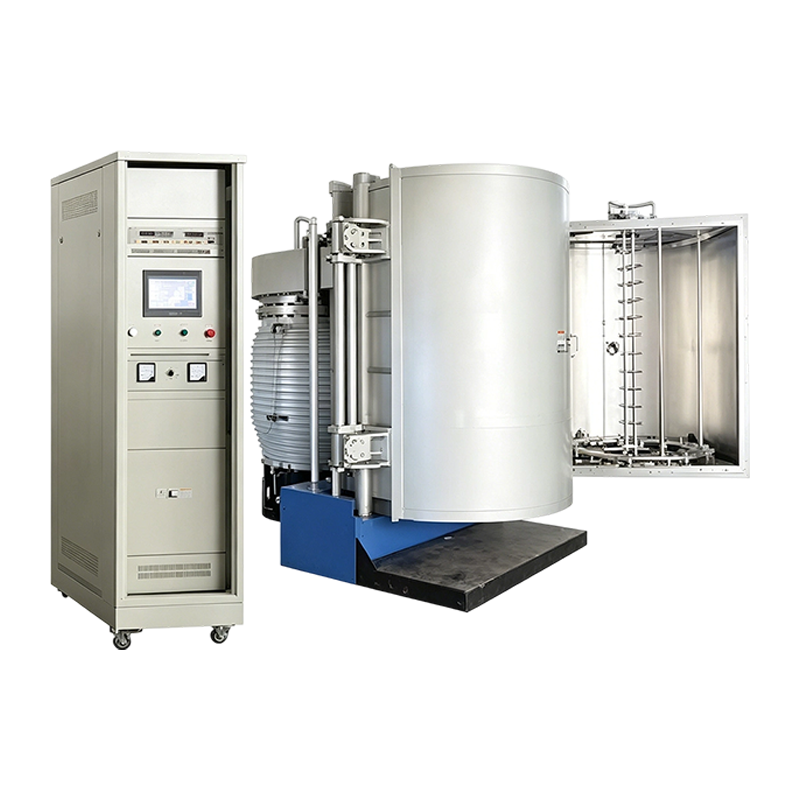
1. Product Overview
The Resistance Heating Evaporation Machine is a classic and highly reliable vacuum deposition solution. By passing a high current through resistive elements to generate heat, it sublimates source materials directly onto the workpiece surface. Known for its remarkable production efficiency and competitive investment profile, this machine is the preferred choice for electronic components, heat-sensitive materials, and large-scale basic coating industries.
2. Key Advantages
High Production Efficiency and Capacity: Deeply optimized for high-volume tasks, the system features rapid evaporation rates and large batch loading capabilities, enabling maximum throughput with minimal cycle times.
Excellent Film Purity and Uniformity: Within a stable vacuum environment, the resistance heating process offers minimal interference, resulting in exceptionally pure films. Optimized source placement ensures superior thickness consistency even across expansive substrate areas.
Low Acquisition Cost: Featuring a streamlined design and simplified maintenance requirements, this machine offers a lower initial investment and more economical operating costs (consumables and power) compared to sputtering or arc systems.
Intelligent Automated Operating System: Equipped with a fully automated control interface that manages the entire sequence from evacuation to deposition. The system precisely regulates current ramping to ensure strict repeatability, reducing the need for highly skilled manual intervention.
3. Product Applications
Electronic Components: Electrode preparation for resistors and capacitors, as well as conductive layering in semiconductor packaging.
Plastic & Decorative Parts: Metallization of automotive lamp reflectors, cosmetic packaging, and various plastic decorative trims.
Flexible Substrates: Large-scale continuous production of dielectric films for capacitors and aluminized films for packaging.
Heat-Sensitive Products: Due to the relatively gentle kinetic energy of the evaporation process, it is ideal for the surface metallization of temperature-sensitive substrates.
About Zenix
Shanghai Zenix Vacuum Coating Technology Co., Ltd.
Zenix Vacuum Coating Technology was established in 1985 and is a high-tech enterprise specializing in the R&D, manufacturing, and process solutions of vacuum coating equipment.
Originally founded as the Shanghai Branch of PLA Factory 9570, the company has evolved over decades into a professional vacuum coating equipment manufacturer and solution provider serving the global market.
We provide complete vacuum coating solutions for customers worldwide, covering hard coatings, decorative coatings, and functional coating systems, including advanced technologies such as DLC and Ta-C. We are China Resistance Heating Evaporation Machine Suppliers and Custom Resistance Heating Evaporation Machine Company, In addition, we offer related spare parts, targets, and comprehensive technical support services.
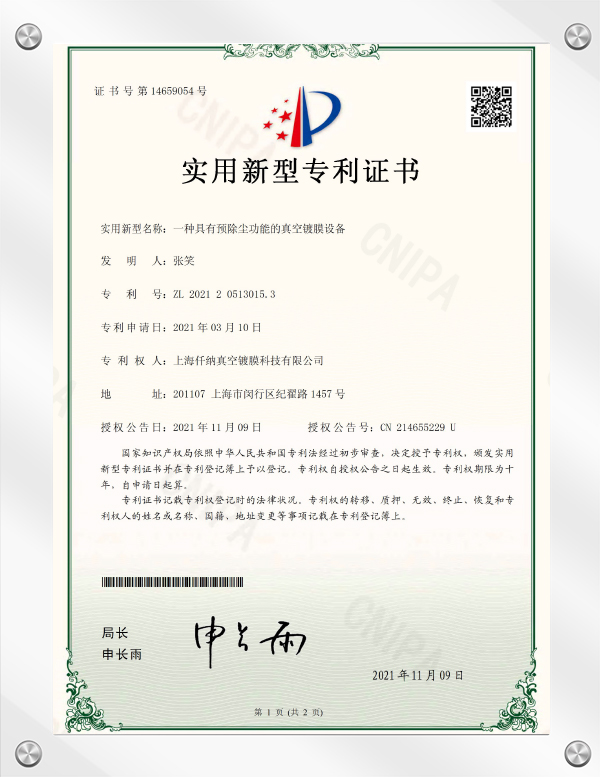
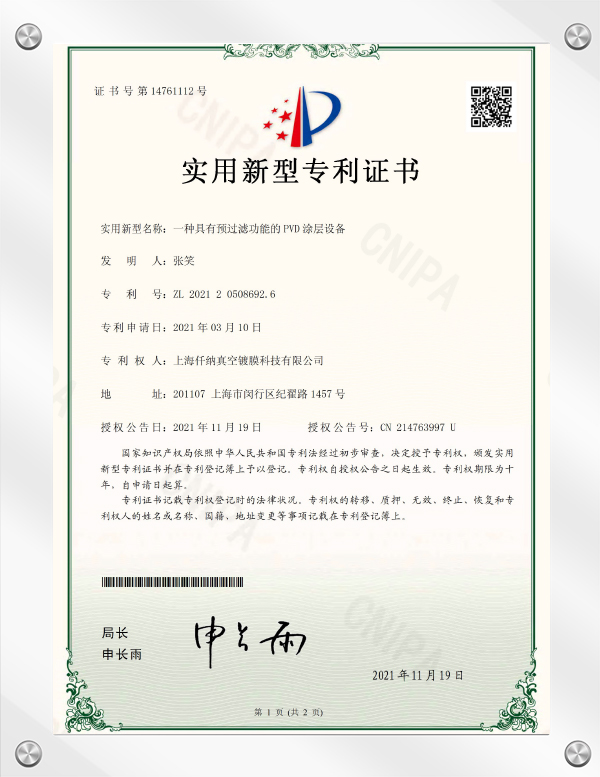
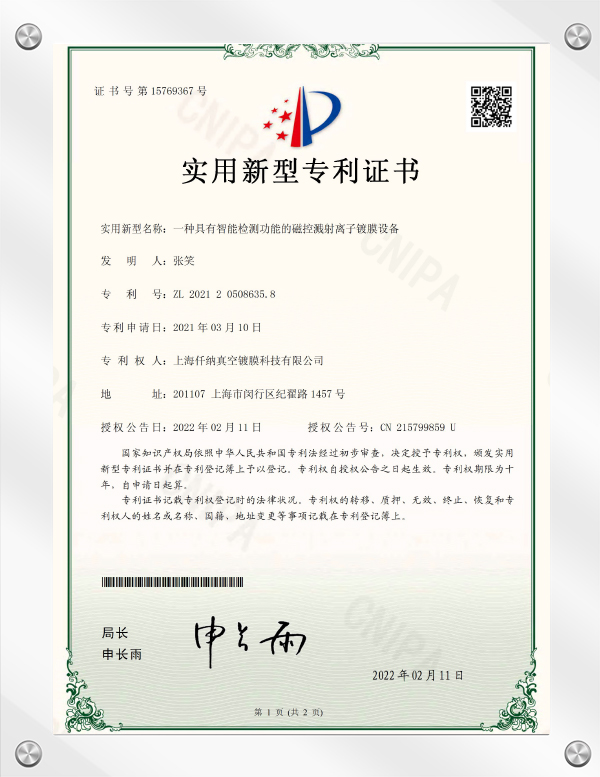
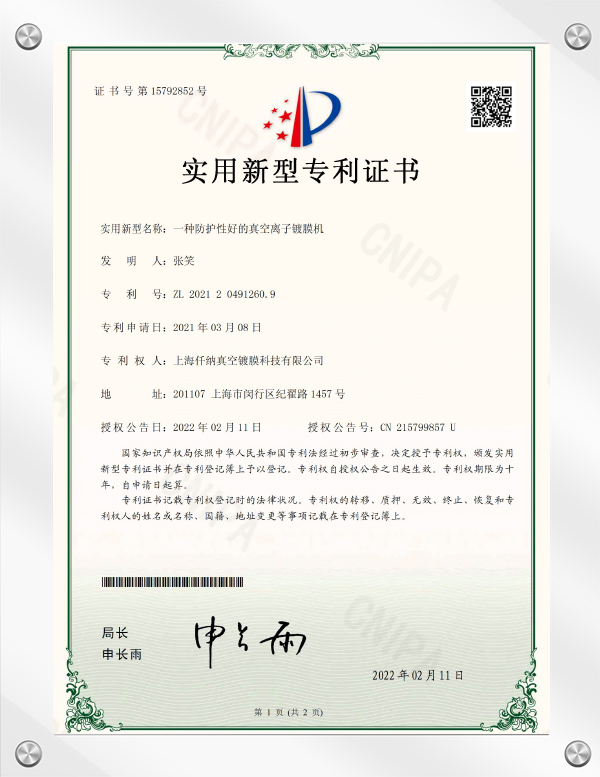
Certificate Of Honor
News & Information
Follow us for the latest company and industry news.
Related products
-
-
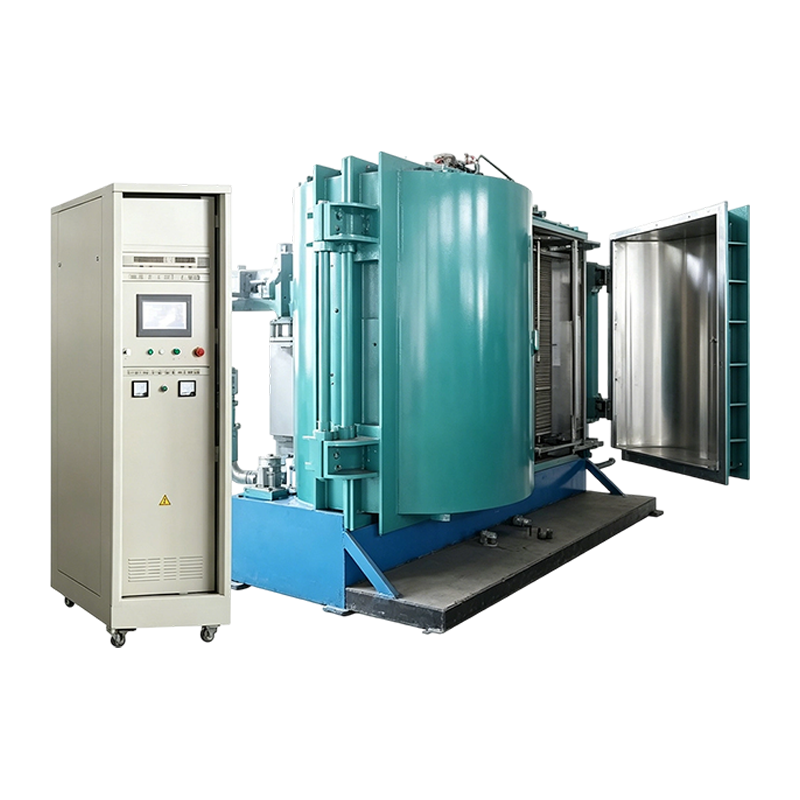
1. Product OverviewThe Composite Evaporation Coating Machine is an integrated, custom-engineered pla...
+ VIEW MORE -
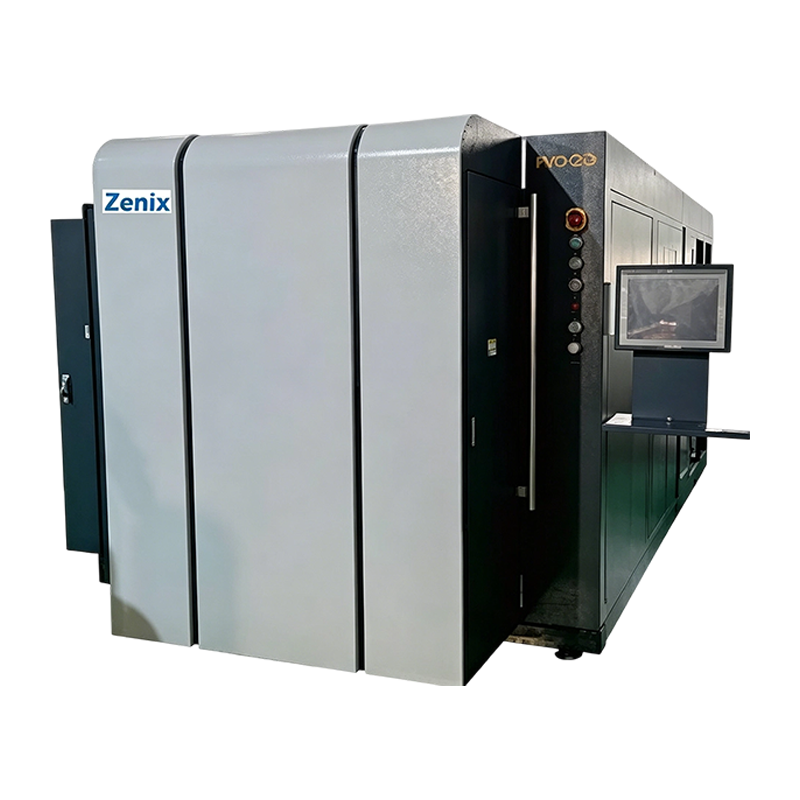
1. Product OverviewThe Multi-arc Hard Coating Machine is a high-performance vacuum deposition system...
+ VIEW MORE -
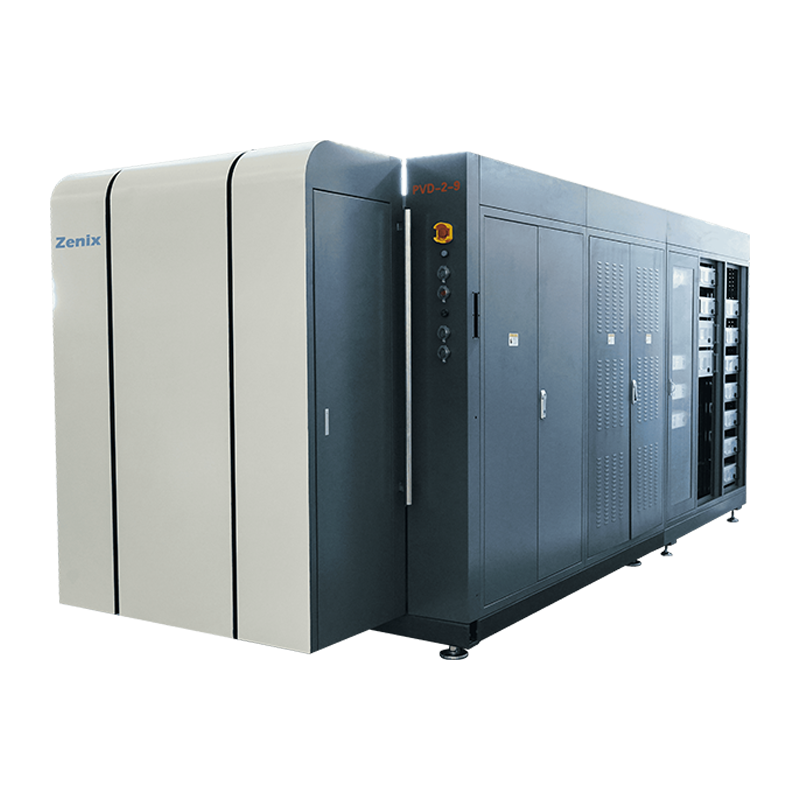
1. Product OverviewThe Sputtering Hard Coating Machine represents the pinnacle of precision in surfa...
+ VIEW MORE -
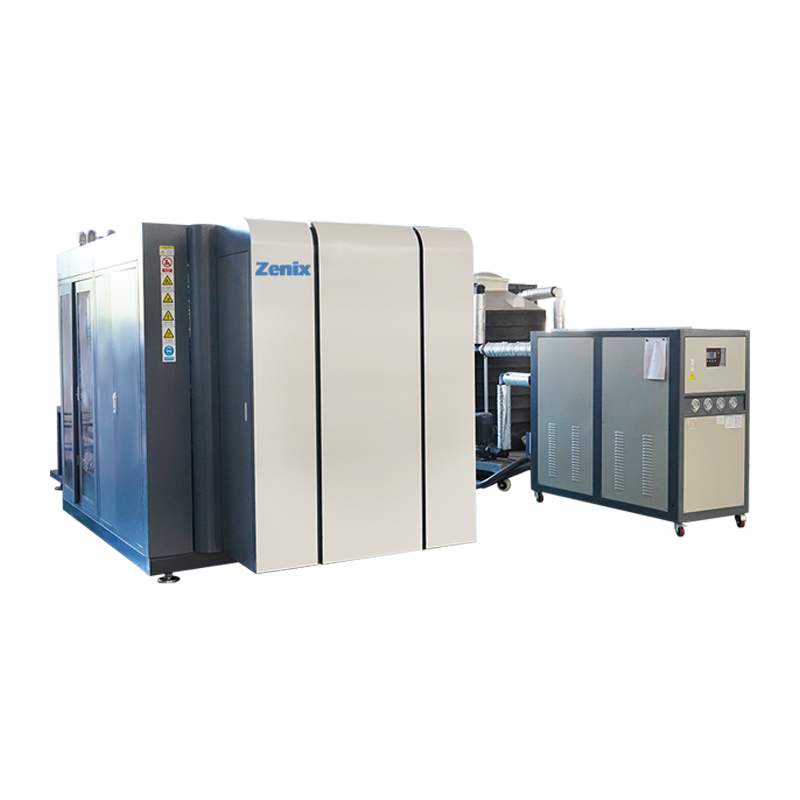
1. Product OverviewThe Composite Hard Coating Machines are specialized coating systems engineered to...
+ VIEW MORE -
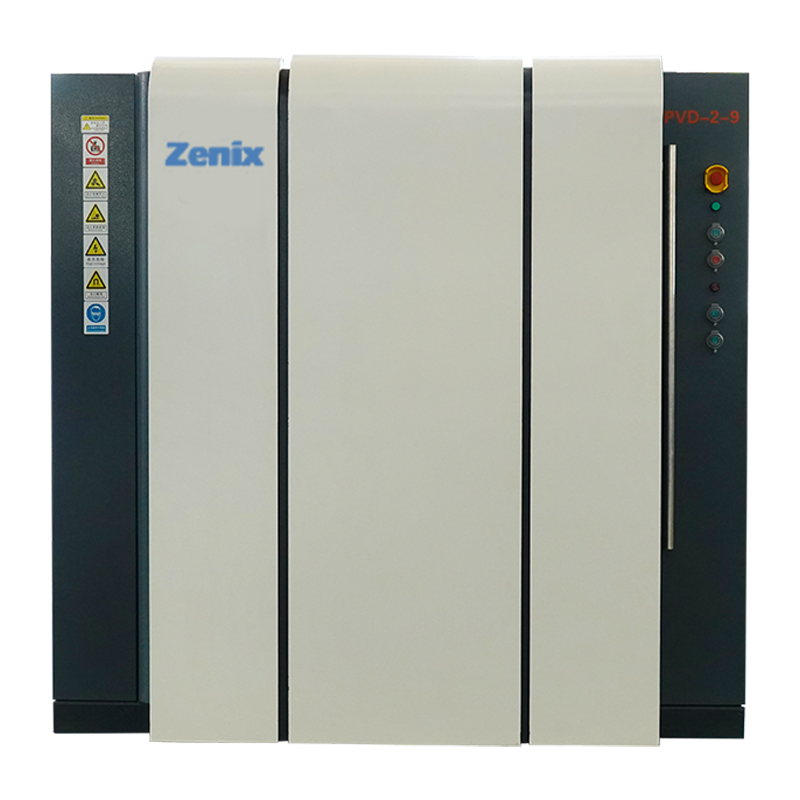
1. Product OverviewThe Multi-arc Decorative Coating Machine is a cutting-edge system designed to mer...
+ VIEW MORE
Resistance Heating Evaporation Machine Industry knowledge
What Is Resistance Heating Evaporation and Which Industries Still Rely on It?
In the diverse ecosystem of vacuum deposition technologies, resistance heating evaporation occupies a unique and enduring position. While sputtering and arc-based systems often dominate discussions of advanced coatings, the resistance heating evaporation machine remains a cornerstone for industries that prioritize production efficiency, cost-effectiveness, and film purity. This technology, which uses high-current resistive elements to sublime source materials onto substrates, has been refined over decades into a highly reliable workhorse for large-scale coating operations. This article examines the fundamental principles of resistance heating evaporation, its key advantages, and the specific industrial sectors—from electronics to flexible packaging—that continue to depend on this proven technology for their core manufacturing processes.
1. Core Principles of Resistance Heating Evaporation
A resistance heating evaporation machine operates on a deceptively simple principle: electrical current passed through a resistive element—typically a refractory metal boat, filament, or crucible—generates intense heat, which in turn vaporizes a source material placed in contact with or within the heating element. The vaporized atoms then travel through the vacuum chamber and condense onto the substrate surface, forming a thin film. This process occurs under high vacuum conditions (typically 10⁻⁵ to 10⁻⁶ Torr) to ensure a long mean free path for the evaporant molecules, minimizing collisions and maintaining film purity.
The key to the technology's versatility lies in the precise control of heating current. Modern resistance heating evaporation machines employ intelligent automated control systems that regulate current ramping profiles, ensuring that the source material reaches its sublimation temperature gradually, avoiding sputtering or splashing that could compromise film quality. This controlled heating also enables the evaporation of a wide range of materials—aluminum, silver, gold, copper, and various dielectrics—each with specific temperature requirements. The resulting films are characterized by high purity, as the vacuum environment eliminates contamination from atmospheric gases, and by excellent uniformity, achieved through optimized source positioning and substrate rotation.
A defining characteristic of the resistance heating process is its relatively low energy. Unlike sputtering, where atoms are ejected with high kinetic energy, evaporated atoms have modest kinetic energy—typically 0.1–0.5 eV. This gentle deposition makes the resistance heating evaporation machine particularly suitable for temperature-sensitive substrates, such as polymers and thin plastics, where excessive heat or ion bombardment could cause distortion or degradation. It is this combination of affordability, purity, and substrate compatibility that sustains the technology's relevance in an era of increasingly complex coating systems.
2. Industrial Applications and Enduring Relevance
2.1 Electronic Components: Conductive Layers and Electrode Preparation
The electronics industry remains one of the largest adopters of resistance heating evaporation technology. In the production of resistors, capacitors, and semiconductor packaging components, the deposition of highly conductive, high-purity metal films is critical for device performance. A resistance heating evaporation machine excels in this application by delivering exceptionally pure aluminum, copper, or silver films—free from the particulate contamination that can plague sputtering systems. The evaporation process, conducted in a clean vacuum environment, produces films with minimal impurities, ensuring consistent electrical properties across millions of components.
For semiconductor packaging, resistance heating is often the preferred method for depositing under-bump metallization and redistribution layers. The technology's high deposition rate—typically 0.5–5 µm/min—enables the throughput required for high-volume production, while the low thermal budget minimizes stress on sensitive dielectric layers. Furthermore, the system's automated control ensures exceptional batch-to-batch repeatability, with thickness uniformity often within ±5% across large-area substrates. Zenix Vacuum Coating Technology, with its 1985 heritage and deep expertise in vacuum systems, offers resistance heating evaporation machines specifically optimized for electronics manufacturing. The company's collaboration with the Chinese Academy of Sciences Institute of Mechanics has yielded advanced source designs that extend boat life and reduce downtime, ensuring that electronics manufacturers can maintain uninterrupted production cycles.
2.2 Plastic Decorative Parts and Automotive Lighting
The decorative and automotive lighting sectors represent another stronghold for resistance heating evaporation. Automotive lamp reflectors, cosmetic packaging, and various plastic decorative trims require a bright, highly reflective metallic finish—typically aluminum—that enhances visual appeal and, in the case of reflectors, optical performance. A resistance heating evaporation machine is uniquely suited to these applications because its low-energy deposition process does not damage the plastic substrates, which are often heat-sensitive and prone to deformation at elevated temperatures.
The process yields a brilliant, mirror-like aluminum layer with reflectivity exceeding 90%, making it ideal for headlamp reflectors and decorative interior trims. The large batch capacity of modern systems—often handling 1,000–2,000 parts per cycle—combined with rapid cycle times of 15–30 minutes, supports the high-volume production demands of the automotive industry. Additionally, the simplified maintenance and low consumable costs of resistance heating systems offer a compelling economic advantage over sputtering or arc deposition for these non-critical decorative applications. Zenix Vacuum Coating Technology has leveraged its extensive experience in decorative coating solutions—spanning hard coatings, decorative coatings, and functional systems—to refine its resistance heating platforms for the automotive and packaging sectors. The company's ISO 9001-certified manufacturing ensures that each resistance heating evaporation machine delivers consistent finish quality, while its global support network provides spare parts and technical assistance to minimize production interruptions.
2.3 Flexible Substrates and Heat-Sensitive Materials
Perhaps the most distinctive application of resistance heating evaporation lies in the coating of flexible substrates. The production of metalized films for capacitors, flexible packaging (aluminized PET), and specialty dielectric films relies heavily on this technology. These applications demand continuous, large-area deposition on thin polymer webs—a process that is particularly sensitive to heat and mechanical stress. A resistance heating evaporation machine configured for roll-to-roll coating provides the ideal solution: the gentle deposition ensures that the polymer substrate does not shrink, wrinkle, or degrade, while the high deposition rate enables the rapid throughput required for economical mass production.
For heat-sensitive products, such as low-melting-point plastics or those with embedded electronics, the resistance heating process offers a significant advantage over higher-energy PVD methods. The evaporated atoms have insufficient kinetic energy to cause subsurface damage or interface mixing, preserving the integrity of the substrate. Moreover, the technology supports a wide range of coating materials, including aluminum, zinc, and various dielectric oxides, enabling manufacturers to produce films with tailored electrical, barrier, or optical properties. Zenix Vacuum Coating Technology, building on its partnership with the University of Shanghai for Science and Technology's School of Materials, has developed specialized roll-to-roll configurations for the flexible packaging industry. These resistance heating evaporation machines incorporate advanced web handling systems and automated thickness monitoring, ensuring that the coating remains uniform across thousands of meters of substrate. The company's comprehensive solution approach—including targets, spare parts, and process development—ensures that customers in this sector can maintain high product quality while optimizing operating costs.
3. Comparative Capabilities Across Application Sectors
The following table compares the typical requirements and performance attributes of a resistance heating evaporation machine across the three application clusters discussed.
| Parameter | Electronic Components | Decorative Parts & Automotive | Flexible Substrates |
| Typical Coating Materials | Al, Cu, Ag, Au | Al (reflectors), Cr, Cu | Al, Zn, SiO₂, Al₂O₃ |
| Substrate Temperature Rise | Low – moderate | Low (plastic safe) | Very low (polymer safe) |
| Film Thickness Range | 0.1 – 3 µm | 0.05 – 1 µm | 0.02 – 0.5 µm |
| Typical Batch Size | 500 – 2,000 pieces | 500 – 1,500 pieces | Roll-to-roll (continuous) |
The data illustrates that a resistance heating evaporation machine offers the flexibility to address each sector's unique demands—from the high purity required for electronics to the low substrate temperature critical for plastics and flexible substrates—while maintaining exceptional production efficiency.
4. Operational Advantages and Implementation Workflow
Beyond its technical capabilities, the resistance heating evaporation machine offers distinct operational advantages that contribute to its enduring popularity. The streamlined design results in a lower initial investment compared to sputtering or arc systems, while simplified maintenance and readily available consumables (boats, filaments, source materials) translate to reduced operating costs. The automated control interface manages the entire sequence—from pump-down to deposition to venting—reducing the need for highly specialized operators and minimizing human error.
Key operational benefits include:
- High production efficiency: Rapid evaporation rates (0.5–10 µm/min) and large batch capacity minimize cycle times and maximize throughput.
- Excellent film purity: The vacuum environment and minimal process interference yield films with extremely low contamination levels.
- Cost-effective operation: Lower acquisition cost, consumable costs, and power consumption compared to alternative PVD technologies.
- Substrate compatibility: The gentle deposition process is ideal for heat-sensitive materials, including plastics, polymers, and pre-assembled components.
Originating as a military-affiliated factory under the PLA General Logistics Department, Zenix Vacuum Coating Technology has carried forward a culture of precision and reliability into civilian manufacturing. This heritage is reflected in the robust construction of its resistance heating evaporation machines, which are designed for continuous 24/7 operation in demanding production environments. Beyond hardware, Zenix provides a full ecosystem of source materials, replacement boats, and process development services—ensuring that customers can maintain peak performance and adapt their processes as production requirements evolve.
Frequently Asked Questions
Q1: How does resistance heating evaporation compare to sputtering for metal film deposition?
A1: A resistance heating evaporation machine offers higher deposition rates, lower capital costs, and simpler operation compared to sputtering. While sputtering provides better film density and adhesion for certain applications, resistance heating remains the preferred choice for high-purity, high-throughput metal deposition, particularly on heat-sensitive substrates.
Q2: Can the same machine evaporate different materials without contamination?
A2: Yes. Modern resistance heating evaporation machines are designed with interchangeable source assemblies (boats, crucibles, or filaments) that can be swapped between batches. Some systems also feature multi-pocket source arrangements, allowing sequential evaporation of different materials without cross-contamination.
Q3: What is the typical film thickness achievable in one evaporation cycle?
A3: Depending on the material and source configuration, a resistance heating evaporation machine can deposit films ranging from 0.01 to 5 µm per cycle. For most electronic and decorative applications, thicknesses of 0.05–1 µm are typical, with excellent uniformity across the substrate area.
Q4: What support does Zenix provide for resistance heating evaporation systems?
A4: Zenix Vacuum Coating Technology offers comprehensive support including system commissioning, operator training, process optimization, and preventive maintenance. The company supplies high-purity evaporation materials and replacement source components, and its global technical support team provides remote diagnostics and on-site assistance to ensure uninterrupted production.
Product Categories
PVD Hard Coating Machine Decorative PVD Coating Machine Evaporation Coating Machine Functional Coating Machine Used Coating Machine Vacuum Pumps Pretreatment MachineContact Us
 [email protected]
 +86-15921261676
 Room 101, Building 4, Songgang Smart Valley, No. 1699 Songhua Road, Qingpu District, Shanghai, China
Copyright © Shanghai Zenix Vacuum Coating Technology Co., Ltd. Rights
Reserved
Custom Resistance Heating Evaporation Machine Suppliers & Company
