

 English
  Español
  عربى
عربى  русский
PVD Overview
-
 Technology Magnetron SputteringPrinciple:
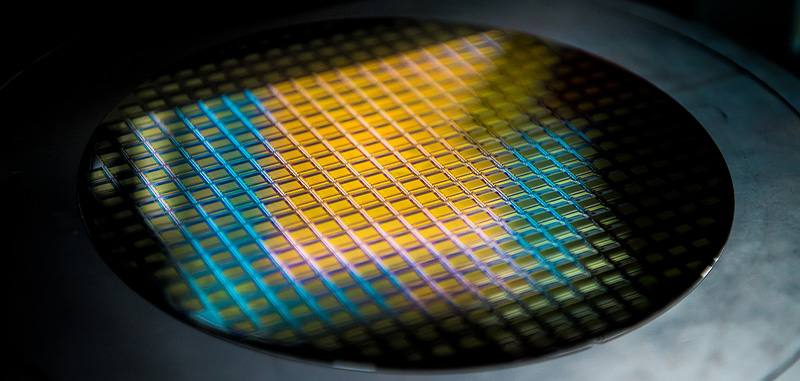
In a vacuum chamber, gas ions generated by glow discharge (such as Ar⁺) are accelerated by an electric field to bombard a solid target material. The target atoms are ejected through this impact process and deposited onto the substrate to form a thin film. To improve efficiency, a magnetic field is applied behind the target to confine electrons near the target surface, greatly increasing the collision probability with gas molecules.
Characteristics:- Advantages: Low deposition temperature, uniform and dense coatings, wide range of coatable materials (including metals, alloys, ceramics, etc.), especially suitable for large-area coating applications.
- Disadvantages: Compared with cathodic arc deposition, the ionization rate is relatively lower (approximately 5%–10%), and the deposition rate is slower.
Applications:- Optical Industry: Manufacturing AR anti-reflective coatings and low-emissivity glass.
- Electronics Industry: Fabrication of metal electrode layers and barrier layers for integrated circuits and hard disks.
- Mechanical Industry: Deposition of hard wear-resistant coatings such as CrN and DLC.
- Advanced Applications: High Power Impulse Magnetron Sputtering (HiPIMS) technology generates high-density plasma through ultra-high-power pulses, significantly improving coating quality, although low deposition efficiency remains a major challenge.
-
 Technology Cathodic Arc Ion PlatingPrinciple:
By utilizing arc discharge, one or multiple tiny cathode spots with extremely high energy density are generated on the target surface. The target material is instantaneously melted, vaporized, and highly ionized, forming a high-energy ion stream that deposits onto the substrate under negative bias voltage.
Characteristics:- Advantages: High ionization rate (60%–90%), excellent coating adhesion, and fast deposition rate.
- Disadvantages: Easily generates micron-sized molten metal droplets (“macro-particles”), resulting in relatively high surface roughness.
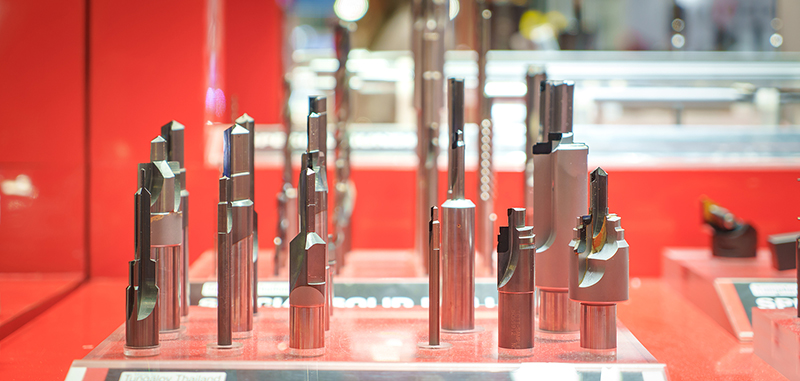
Applications:- Cutting Tools: Widely used for hard coatings such as TiN and TiAlN to extend tool life.
- Automotive & Aerospace: Provides wear-resistant and high-temperature protection for engine components, molds, and critical parts.
- Decorative Industry: Production of decorative coatings such as imitation gold and rose gold finishes.
- Advanced Development: Filtered arc technology has been developed to reduce droplet generation. In addition, plasma confinement and control through pulsed magnetron technology enables the preparation of higher-performance coatings.
-
 Technology Evaporation CoatingPrinciple:
Under vacuum conditions, source materials are vaporized through heating methods such as resistance heating, electron beam bombardment, or laser heating. The vaporized atoms or molecules travel linearly to the substrate surface and condense into a thin film.
Characteristics:- Advantages: Relatively simple equipment and process, fast deposition rate, and high film purity.
- Disadvantages: Weaker coating adhesion, poor step coverage, unsuitable for complex-shaped workpieces, and prone to alloy composition segregation.
Applications:- Optical Coatings: Production of high-performance optical films such as filters and anti-reflective coatings.
- Packaging & Decoration: Aluminum or metal coating on food packaging paper and plastic products for barrier protection and decorative effects.
- Electronics Industry: Fabrication of OLED panels, electrodes, and related components.
- Advanced Development: Electron beam evaporation technology is highly mature, offering high energy density suitable for evaporating high-melting-point materials. Current trends focus on multifunctional, fully automated systems integrating multiple deposition technologies.
-
 Technology DLC (Diamond-Like Carbon) FilmsDefinition:
DLC (Diamond-Like Carbon) refers to a broad class of amorphous carbon films with properties similar to diamond. Its core component is carbon, consisting of a mixed bonding structure of sp³ (diamond-like) and sp² (graphite-like) bonds.
DLC and Ta-C (Tetrahedral Amorphous Carbon) are not independent PVD technologies parallel to magnetron sputtering or cathodic arc deposition. Instead, they are specific thin-film materials that can be produced using one or more of the deposition technologies mentioned above.
Simply put, DLC and Ta-C can be understood as the “products” being manufactured, while technologies such as magnetron sputtering, cathodic arc deposition, and evaporation coating are different “production methods.” For example, Ta-C coatings can be prepared using PVD technologies such as Laser-Arc deposition.
Deposition Technologies:
Can be prepared using magnetron sputtering or various non-PVD methods.
Characteristics:
High hardness, ultra-low friction coefficient, excellent wear resistance, high chemical inertness, and outstanding biocompatibility.
Applications:
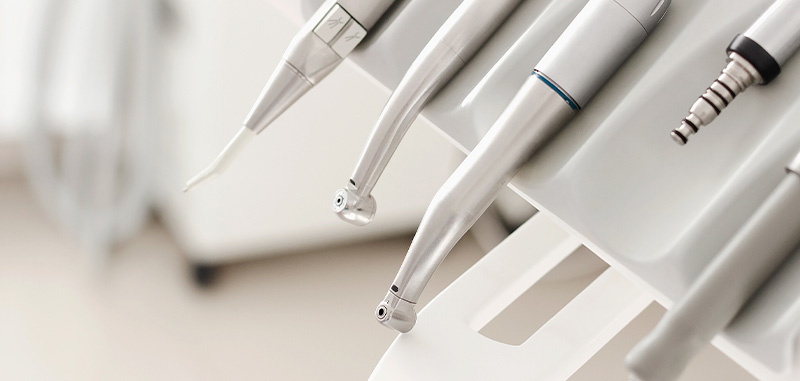
Suitable for engine components, injection molds, precision bearings, razor blades, medical devices, hard disk head protection, and more.
Advanced Development:
Current research focuses on achieving ultra-low friction (friction coefficient <0.01) to improve energy efficiency, while element doping (such as Si and F) is being explored to enhance performance under different operating environments. -
 Technology Ta-C (Tetrahedral Amorphous Carbon) FilmsDefinition:
Ta-C (Tetrahedral Amorphous Carbon) represents the highest-performance category within the DLC family. Its defining feature is an extremely high sp³ carbon bond content (typically above 80%), resulting in hardness and wear resistance far superior to conventional DLC coatings.
Like DLC, Ta-C is not an independent PVD technology parallel to magnetron sputtering or cathodic arc deposition, but rather a specific thin-film material produced through one or more advanced deposition technologies.
Deposition Technologies:
Requires high-energy and highly ionized deposition techniques. Laser-Arc deposition is currently one of the most successful and widely adopted industrial methods.
Characteristics:
Extremely high hardness (up to 70 GPa or 7000 HV), ultra-low friction coefficient (below 0.01 with lubrication), exceptional wear resistance, and extremely low deposition temperature (<100°C), enabling coating on plastic substrates.
Applications:
Used in high-performance cutting tools (especially for dry cutting), precision molds, oil-free bearings, gear transmission systems, and precision mechanical components requiring extreme wear resistance.
Advanced Development:
Current research directions include achieving nearly defect-free coatings through next-generation plasma filtering systems, transferring superlubricity from laboratory research to real engineering applications, and combining Ta-C with solid lubricants such as MoS₂ to withstand even harsher operating conditions.
Product Categories
PVD Hard Coating Machine Decorative PVD Coating Machine Evaporation Coating Machine Functional Coating Machine Used Coating Machine Vacuum Pumps Pretreatment MachineContact Us
 [email protected]
 +86-15921261676
 Room 101, Building 4, Songgang Smart Valley, No. 1699 Songhua Road, Qingpu District, Shanghai, China
Copyright © Shanghai Zenix Vacuum Coating Technology Co., Ltd. Rights
Reserved
Custom Vacuum Coating Equipment Manufacturer & Supplier
