

 English
  Español
  عربى
عربى  русский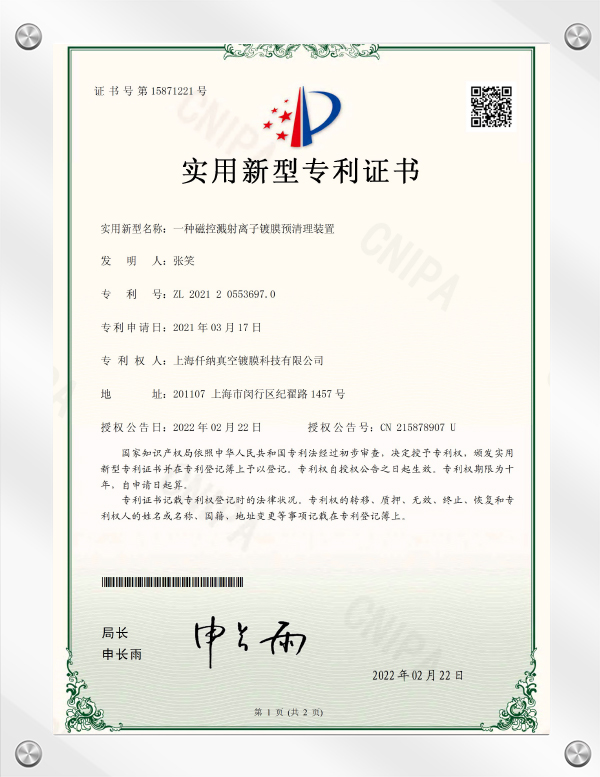
1. Product OverviewThe Sputtering Decorative Coating Machine is a precision-engineered system design...
+ VIEW MORE
Sputtering Hard Coating Machine
1. Product Overview
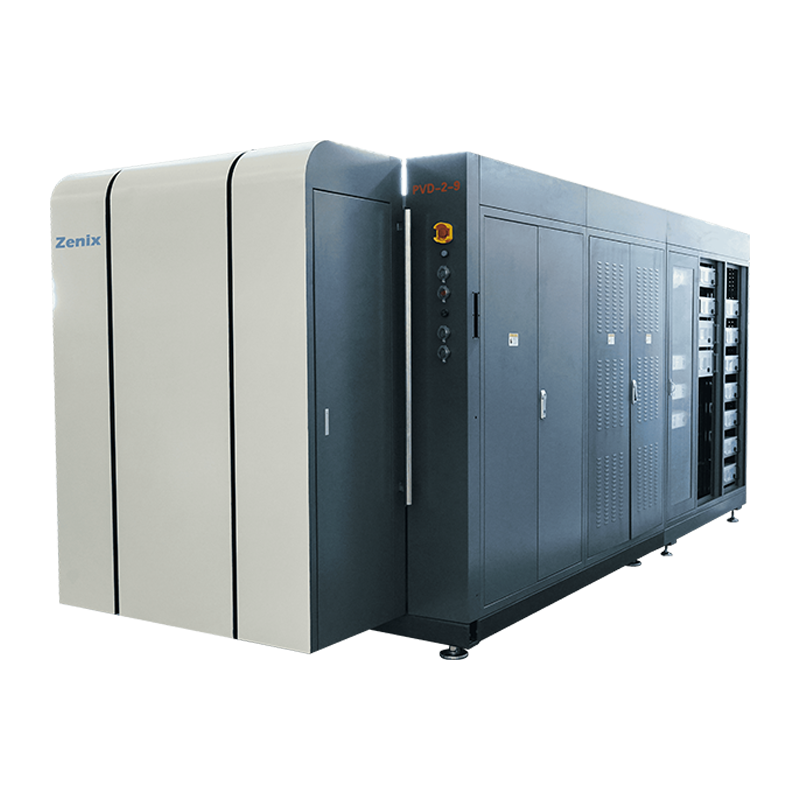
The Sputtering Hard Coating Machine represents the pinnacle of precision in surface engineering. Powered by HiPIMS-level (High-Power Impulse Magnetron Sputtering) technology, this system is designed to deposit ultra-dense, high-performance hard films without compromising the substrate's intricate details. It goes beyond mere protection, focusing on the microscopic refinement of the coating to satisfy industries that demand both extreme durability and a flawless aesthetic finish.
2. Product Advantages
HiPIMS-Level Sputtering Technology: Utilizing ultra-high peak power densities to achieve superior ionization rates, this technology constructs films atom-by-atom, virtually eliminating the porous structures found in conventional sputtering.
Finer Film Structure for High-Gloss Products: Unlike arc evaporation, sputtering is a "droplet-free" process. It produces an exceptionally smooth and fine film structure, making it the premier choice for maintaining or enhancing the mirror-like finish of high-gloss components.
Exceptional Coating Uniformity: Advanced magnetic field modeling and precise flux control ensure nanometer-level thickness consistency across large areas and complex 3D geometries.
Superior Coating Adhesion:
IET Ion Source Compatibility: Fully integrated with IET ion sources for advanced pre-treatment. This ensures atomic-scale cleanliness and creates a high-energy interface for maximum bonding strength.
Highly Customizable Processes: The system supports low-temperature deposition and a wide range of material recipes. From specialized nitrides to decorative oxides, every process can be tailored to specific hardness, friction, or color requirements.
3. Product Applications
Consumer Electronics: High-end smartphone frames, smartwatch casings, and tactile buttons requiring scratch resistance with a premium high-gloss aesthetic.
Micro-Cutting Tools: Ultra-fine drills and engraving tools where maintaining a sharp cutting edge is as critical as the coating's hardness.
Optical & Semiconductor Components: Protecting precision sensor housings and mechanical parts that demand absolute surface flatness.
Luxury Decorative Goods: High-end accessories and premium hardware where the fusion of long-term corrosion resistance and visual perfection is paramount.
About Zenix
Shanghai Zenix Vacuum Coating Technology Co., Ltd.
Zenix Vacuum Coating Technology was established in 1985 and is a high-tech enterprise specializing in the R&D, manufacturing, and process solutions of vacuum coating equipment.
Originally founded as the Shanghai Branch of PLA Factory 9570, the company has evolved over decades into a professional vacuum coating equipment manufacturer and solution provider serving the global market.
We provide complete vacuum coating solutions for customers worldwide, covering hard coatings, decorative coatings, and functional coating systems, including advanced technologies such as DLC and Ta-C. We are China Sputtering Hard Coating Machine Suppliers and Custom Sputtering Hard Coating Machine Company, In addition, we offer related spare parts, targets, and comprehensive technical support services.
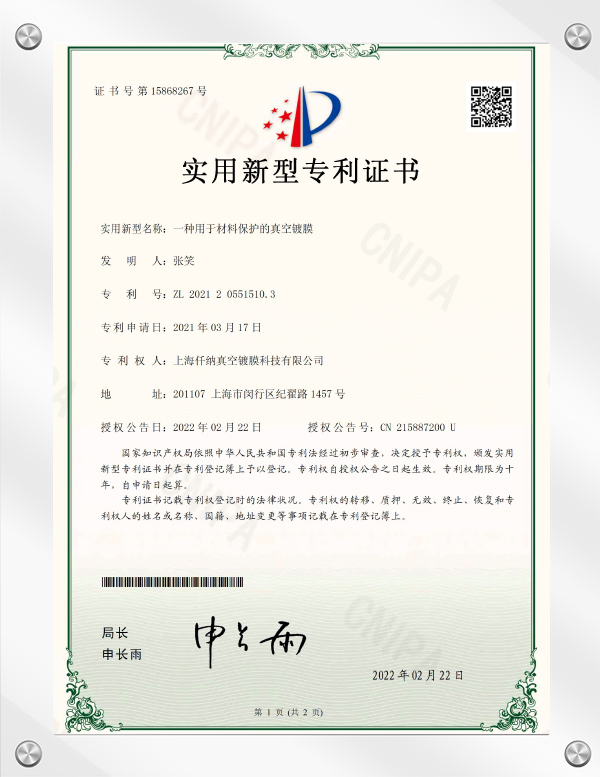
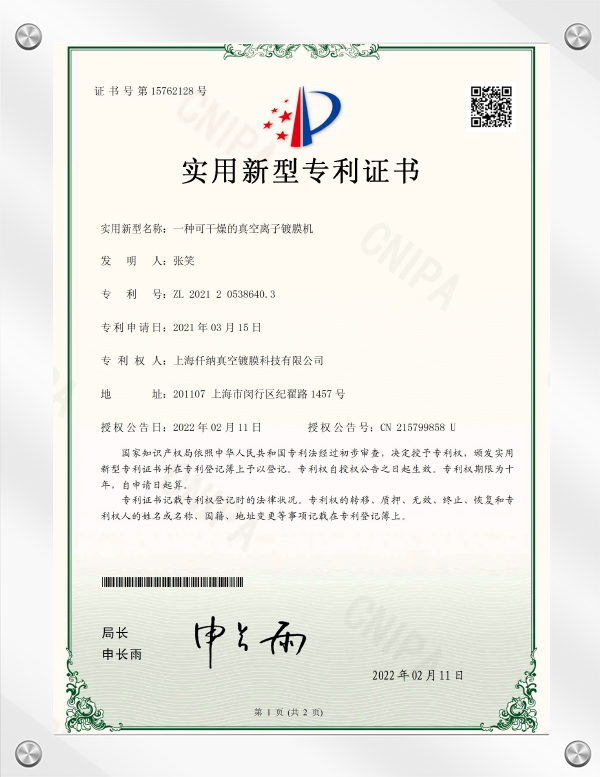
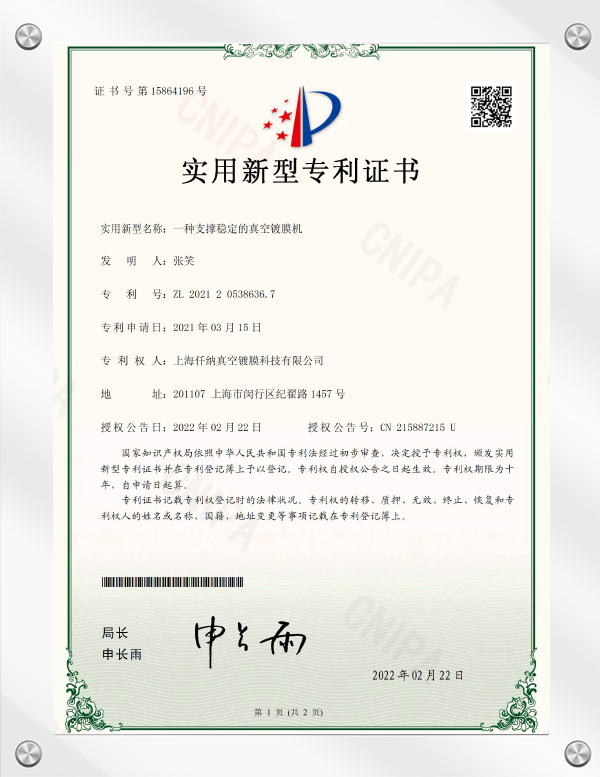
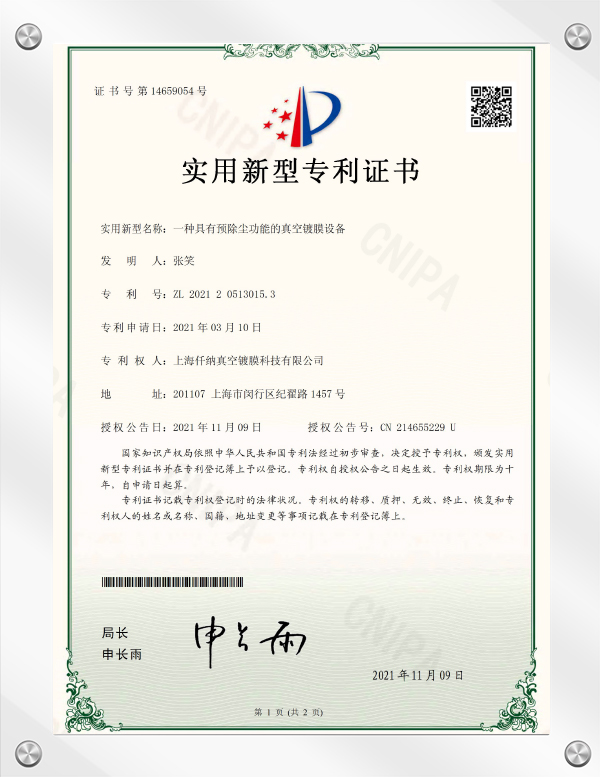
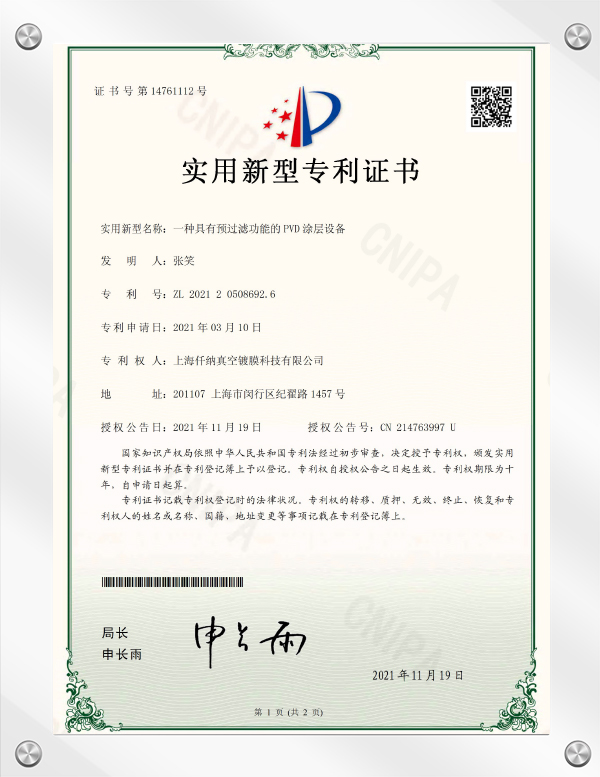
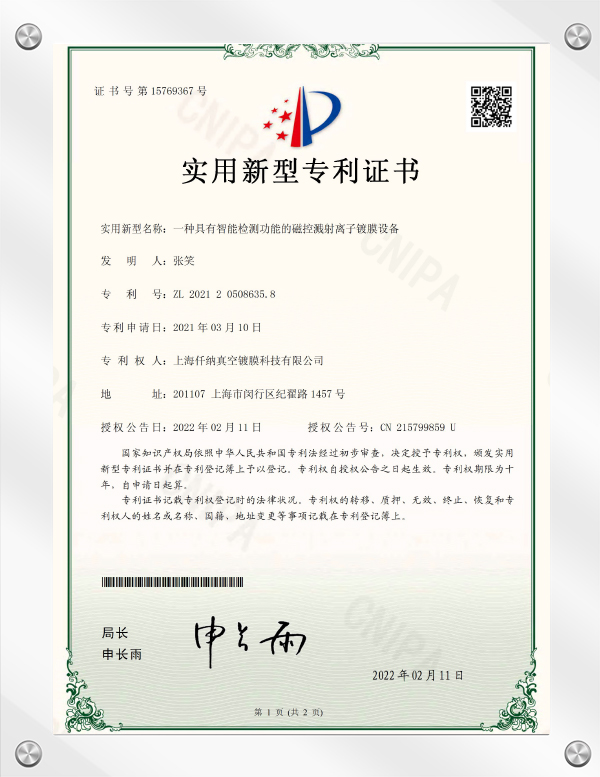
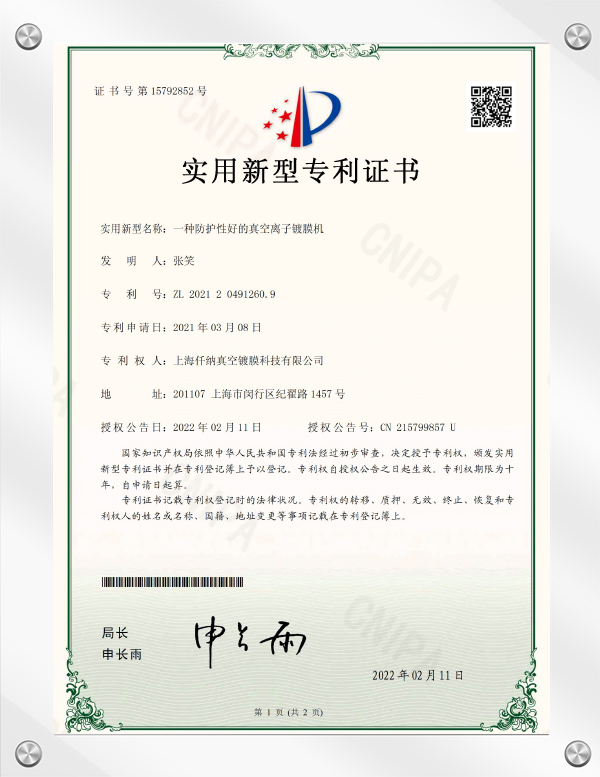
Certificate Of Honor
News & Information
Follow us for the latest company and industry news.
Related products
-
-
1. Product OverviewThe Multi-arc Hard Coating Machine is a high-performance vacuum deposition system...
+ VIEW MORE -
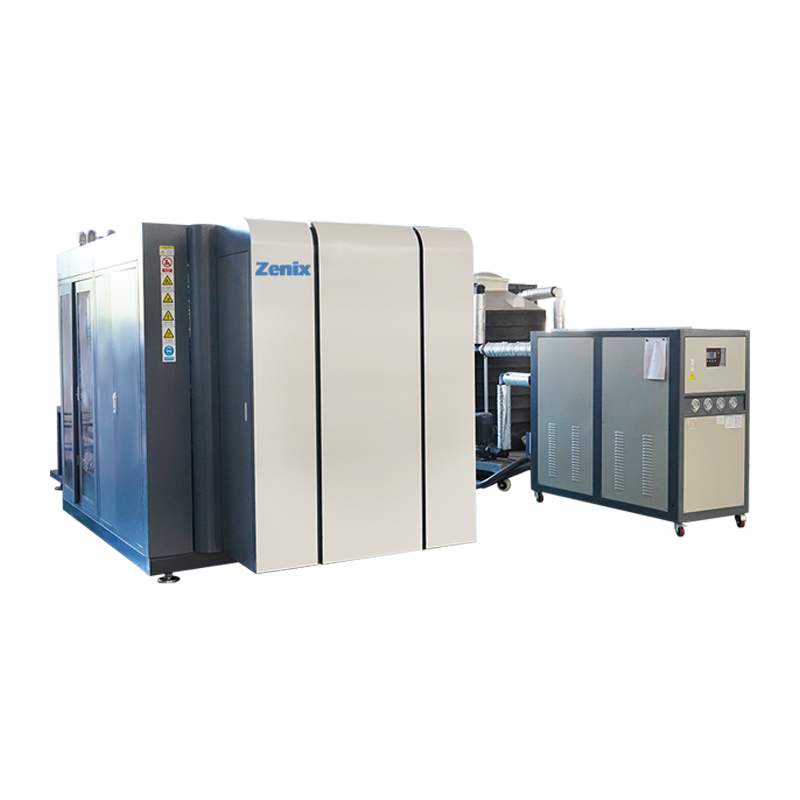
1. Product OverviewThe Composite Hard Coating Machines are specialized coating systems engineered to...
+ VIEW MORE -
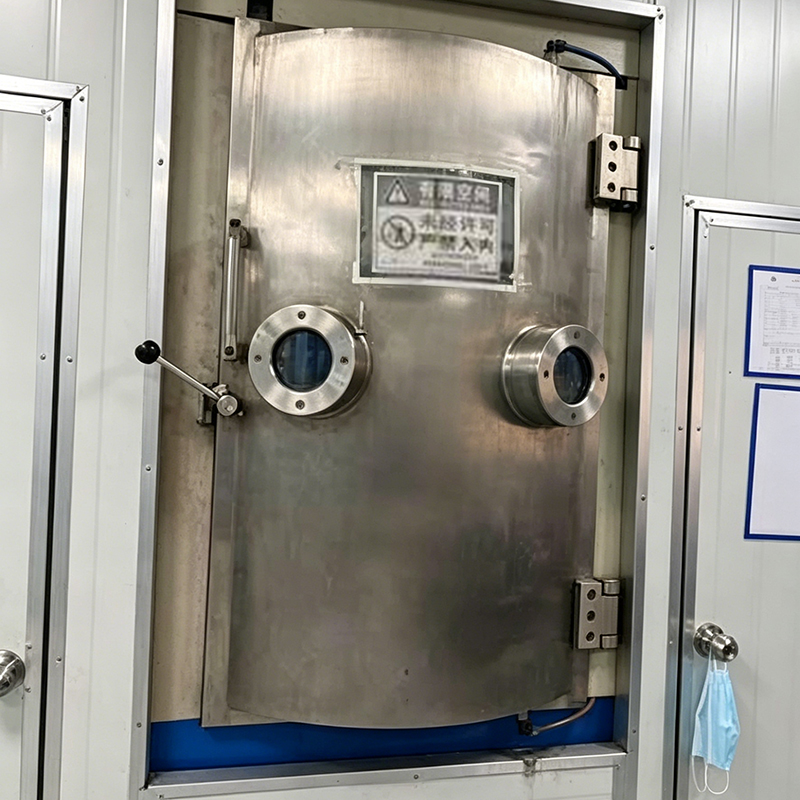
1. Product OverviewThe Used-hand PVD Hard Coating Machine for Gear Tool is a field-proven industrial...
+ VIEW MORE -
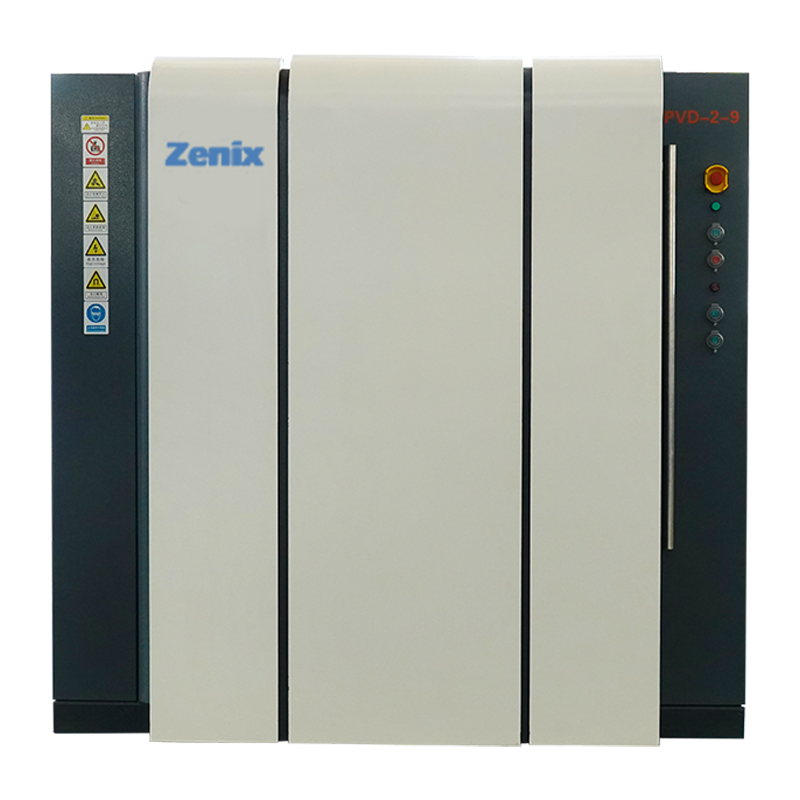
1. Product OverviewThe Multi-arc Decorative Coating Machine is a cutting-edge system designed to mer...
+ VIEW MORE -
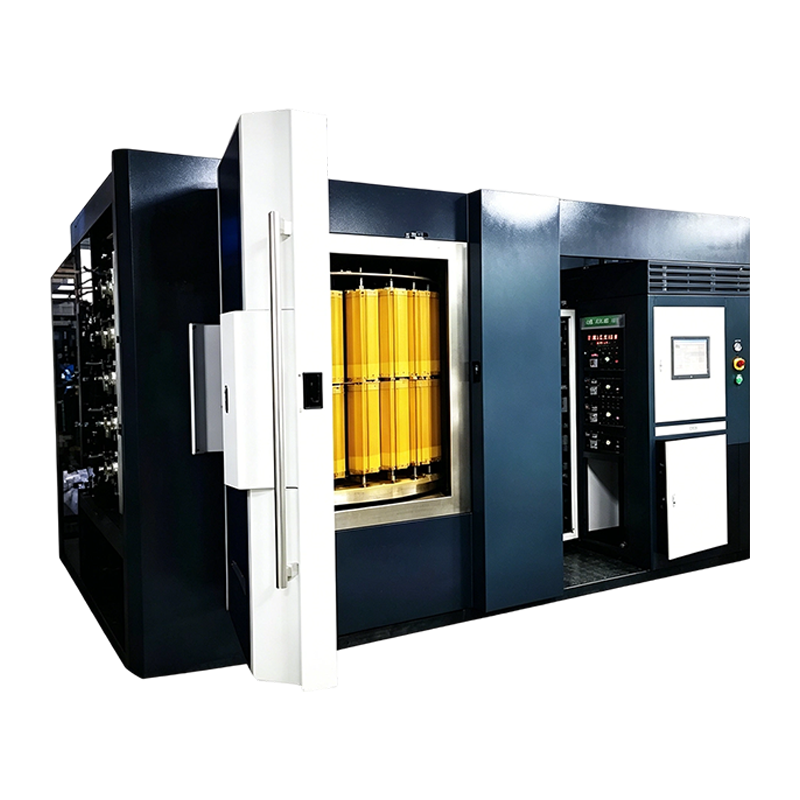
1. Product OverviewThe Composite Decorative Coating Machine is a revolutionary platform designed to ...
+ VIEW MORE
Sputtering Hard Coating Machine Industry knowledge
What Is the Difference Between Sputtering and Arc for Hard Coatings?
In the field of surface engineering, two dominant physical vapor deposition (PVD) technologies—sputtering and cathodic arc—compete for supremacy in hard coating applications. While both deliver protective films, their mechanisms, film qualities, and ideal use cases differ significantly. A sputtering hard coating machine employs magnetron sputtering to generate a plasma that ejects target atoms via momentum transfer, producing exceptionally dense and smooth layers. In contrast, arc evaporation uses high-current discharges to vaporize the target, yielding highly ionized plasmas but with inherent macro-particle emissions. This article dissects these differences across multiple application dimensions, helping manufacturers select the optimal system for their specific performance and aesthetic requirements.
1. Core Technology: Sputtering vs. Arc – Mechanisms and Film Characteristics
A sputtering hard coating machine operates on the principle of magnetron sputtering, where inert gas ions (typically argon) accelerate toward a target cathode, dislodging atoms that subsequently deposit onto the substrate. This process is inherently "droplet-free," meaning it produces no microscopic molten particles—a common artifact in arc evaporation. The result is an ultra-smooth, fine-grained film with minimal surface roughness, often below Ra 0.02 µm. Furthermore, when equipped with HiPIMS (High-Power Impulse Magnetron Sputtering) technology, the sputtering hard coating machine achieves ionization rates exceeding 70%, rivaling arc systems in plasma density while retaining superior film morphology.
Arc evaporation, by contrast, relies on a high-current, low-voltage arc that vaporizes the target material directly. This produces a dense, highly ionized plasma that ensures excellent adhesion and high deposition rates. However, the violent arc discharge inevitably ejects microscopic molten droplets—known as "macroparticles"—which embed into the growing film, creating surface asperities. While post-treatment or filtered arc designs mitigate this issue, they add complexity and cost. Thus, the fundamental trade-off emerges: sputtering-based systems excel in surface quality and precision, while arc systems prioritize adhesion and throughput.
For industries where surface finish is paramount, a sputtering hard coating machine offers a decisive advantage. Its film structure is columnar-free and highly isotropic, thanks to the energetic ion bombardment during HiPIMS deposition. This results in superior corrosion resistance and mechanical integrity, even at thicknesses below 1 µm. Conversely, arc-deposited films, though harder in some cases, suffer from micro-roughness that can act as stress concentrators or defect initiation sites under cyclic loading.
2. Application-Specific Performance Comparison
2.1 High-Gloss Consumer Electronics & Decorative Components
For premium consumer electronics—smartphone frames, smartwatch casings, and tactile buttons—surface aesthetics are as critical as durability. A sputtering hard coating machine delivers a droplet-free, mirror-like finish that preserves the substrate's original gloss and color fidelity. The fine columnar structure, deposited atom-by-atom, eliminates optical scattering, making it the preferred choice for luxury decorative goods and high-end hardware. Additionally, the low-temperature deposition capability (often below 200 °C) allows coating of temperature-sensitive polymers and aluminum alloys without distortion.
Arc systems, while capable of producing hard decorative coatings, invariably introduce surface roughness that requires post-polishing—an additional step that increases cost and risks dimensional changes. Therefore, for applications demanding "visual perfection," the sputtering hard coating machine provides a clear competitive edge. Zenix Vacuum Coating Technology, established in 1985 and originally founded as the Shanghai Branch of PLA Factory 9570, has cultivated deep expertise in precision decorative coating. The company's long history in serving both military and civilian sectors has refined its ability to maintain batch-to-batch color consistency and gloss uniformity—critical factors for consumer electronics brands that demand flawless visual identity across millions of units. Zenix's sputtering platforms are engineered to meet these exacting standards, offering customizable oxide and nitride recipes that combine scratch resistance with premium aesthetic appeal.
2.2 Micro-Cutting Tools and Ultra-Fine Machining
Micro-drills, engraving bits, and precision cutting tools require coatings that preserve the sharpness of the cutting edge. Any film-induced rounding or edge build-up reduces tool performance and part accuracy. A sputtering hard coating machine deposits films with exceptional edge retention because of its directional, line-of-sight deposition combined with controlled ion bombardment. The absence of macroparticles ensures that the coating conforms to the substrate geometry without creating nodular defects that could fracture during high-speed machining.
Moreover, the ability to tailor the film stoichiometry—from conventional TiN to complex AlTiN or CrN-based alloys—allows optimization for specific work materials. The HiPIMS-derived dense structure also provides enhanced resistance to adhesive wear, a common failure mode in micro-milling of stainless steels. In contrast, arc coatings, though harder, may introduce micro-notches due to droplet shadows, which can initiate premature edge chipping. Zenix Vacuum Coating Technology has integrated IET ion sources into its sputtering systems, enabling in-situ substrate cleaning and interface engineering that further boost adhesion. Drawing on its collaboration with the Chinese Academy of Sciences Institute of Mechanics, Zenix has fine-tuned its HiPIMS power delivery to achieve optimal film density without compromising the sharpness of sub-millimeter cutting edges—a capability that makes its sputtering hard coating machines particularly suitable for high-value micro-tooling applications in the aerospace and medical device supply chains.
2.3 Optical, Semiconductor, and Precision Mechanical Components
In optical and semiconductor manufacturing, component surfaces must be defect-free at the sub-micron level. Sensor housings, mirror mounts, and precision actuator parts often require protective coatings that do not alter optical flatness or introduce scatter. A sputtering hard coating machine excels here because its deposition flux is highly controllable, producing films with nanometer-level thickness uniformity across large areas—a feature critical for wafer-level packaging and MEMS devices. Furthermore, the low particle generation during sputtering makes it suitable for cleanroom environments.
Arc systems, despite their high deposition rates, generate macroparticles that can contaminate sensitive optics or semiconductor surfaces, leading to yield losses. For this reason, the sputtering hard coating machine remains the gold standard for precision industries. Zenix Vacuum Coating Technology, building on its military-grade precision heritage from the PLA Factory 9570 era, offers sputtering platforms with advanced magnetic field modeling—developed in partnership with Fudan University's Department of Physics—that ensures consistent ion flux distribution even on complex 3D geometries. The company's ISO 9001-certified production systems and its national high-tech enterprise recognition underscore its commitment to delivering the reproducibility that optical and semiconductor applications demand. Zenix's complete solution approach—covering equipment, targets, spare parts, and technical support—ensures that customers in these exacting fields can maintain uninterrupted, high-yield production.
3. Quantitative Comparison: Sputtering vs. Arc Coating Capabilities
To clearly illustrate the technical distinctions, the following table compares key performance metrics of a typical sputtering hard coating machine (HiPIMS-enhanced) against a standard arc evaporation system.
| Parameter | Sputtering (HiPIMS) | Cathodic Arc |
| Surface Roughness (Ra, µm) | ≤ 0.02 | 0.1 – 0.5 (without filtering) |
| Coating Density | 99.9% (fully dense) | 98 – 99% (micro-porous) |
| Adhesion (HF Rating) | HF 1 – 2 (excellent) | HF 1 – 2 (excellent) |
| Deposition Rate (µm/h) | 1 – 3 (adjustable) | 3 – 10 (higher) |
| Substrate Temperature (°C) | 150 – 400 (low temperature) | 300 – 500 (higher) |
The data confirms that while arc systems offer higher throughput, sputtering hard coating machines provide superior surface finish, density, and low-temperature operation—critical for heat-sensitive or aesthetically demanding components.
4. Strategic Selection: When to Choose Sputtering Over Arc
Selecting between a sputtering hard coating machine and an arc system hinges on application priorities. The following outlines the key decision criteria:
- Surface quality: Choose sputtering for mirror-finish, optical, or low-friction applications where roughness below 0.05 µm is required.
- Coating thickness: Sputtering is ideal for thin films (0.5–5 µm) with precise control; arc is preferred for thicker coatings (>5 µm) where roughness is acceptable.
- Substrate sensitivity: Sputtering's lower process temperature protects heat-treatable steels, polymers, and aluminum alloys from softening or distortion.
- Batch uniformity: Sputtering with advanced magnetron arrays delivers superior uniformity across large areas and complex shapes.
- Cost per part: For high-volume, non-aesthetic components, arc's higher deposition rate reduces cycle time and cost.
Zenix Vacuum Coating Technology, with its four decades of experience spanning both military and civilian manufacturing, offers a comprehensive portfolio that includes both sputtering and arc platforms. However, the company's distinct strength lies in its sputtering product line, which incorporates HiPIMS technology and IET integration to address the most demanding quality standards. As a high-tech enterprise recognized by the Shanghai municipal government and holder of ISO 9001 certification, Zenix ensures that each sputtering hard coating machine is backed by comprehensive technical support, original targets, spare parts availability, and process optimization services—enabling customers to achieve rapid ramp-up and sustained production excellence.
5. Implementation Workflow for Sputtering Coating Success
To maximize the benefits of a sputtering hard coating machine, manufacturers should follow a systematic implementation process:
- Substrate inspection and cleaning: Ultrasonic degreasing and alcohol rinsing remove organic contaminants; IET in-situ etching provides atomic-scale cleaning before deposition.
- Target and gas selection: Choose metallic or compound targets (Ti, Cr, Al) and reactive gases (N₂, C₂H₂, O₂) based on desired coating composition.
- Process parameter optimization: Define power density, pulse frequency (for HiPIMS), bias voltage, and working pressure to achieve target film properties.
- Run calibration substrates: Test deposition with dummy pieces to verify thickness uniformity and adhesion before production batches.
- Production deposition: Execute the coating cycle under closed-loop feedback control, monitoring plasma impedance and temperature.
- Post-coating inspection: Perform calotest for thickness, scratch test for adhesion, and profilometry for surface roughness validation.
This disciplined approach ensures that the sputtering hard coating machine delivers consistent, high-quality results, reducing scrap rates and enhancing product longevity. With Zenix's engineering support and its deep-rooted experience in both military-grade precision and civilian industrial applications, customers can rapidly transition from process development to full-scale production with confidence.
Frequently Asked Questions
Q1: Is a sputtering hard coating machine suitable for decorative coatings with high gloss?
A1: Absolutely. The droplet-free nature of sputtering makes it the ideal choice for high-gloss decorative coatings. Unlike arc, which introduces micro-roughness, a sputtering hard coating machine preserves the substrate's original reflectivity and is widely used in consumer electronics and luxury hardware. Zenix's sputtering systems are specifically calibrated to maintain color and gloss consistency across large production batches.
Q2: Can sputtering achieve the same adhesion as arc evaporation?
A2: Yes, especially when combined with IET ion source pre-treatment. A sputtering hard coating machine with proper interface engineering can attain adhesion ratings (HF 1–2) equivalent to arc systems, while offering a smoother film surface. Zenix's integration of IET sources, developed through its academic partnerships, ensures atomic-scale interface bonding that rivals arc-deposited films.
Q3: Which technology is more cost-effective for high-volume production?
A3: For non-aesthetic applications, arc's higher deposition rate often reduces per-part costs. However, for high-quality or precision parts, the sputtering hard coating machine minimizes post-coating processing and scrap, offering better overall economics. Zenix provides detailed process consulting to help customers select the optimal technology based on their specific production volume and quality requirements.
Q4: Does Zenix offer sputtering systems with customizable process recipes?
A4: Yes, Zenix Vacuum Coating Technology supports fully customizable process libraries, including low-temperature deposition and multi-layer structures. The company's sputtering platforms can be tailored to produce TiN, AlTiN, CrN, DLC, and decorative oxides, backed by comprehensive on-site support, original target supply, and spare parts availability—ensuring long-term process stability and adaptability.
Product Categories
PVD Hard Coating Machine Decorative PVD Coating Machine Evaporation Coating Machine Functional Coating Machine Used Coating Machine Vacuum Pumps Pretreatment MachineContact Us
 [email protected]
 +86-15921261676
 Room 101, Building 4, Songgang Smart Valley, No. 1699 Songhua Road, Qingpu District, Shanghai, China
Copyright © Shanghai Zenix Vacuum Coating Technology Co., Ltd. Rights
Reserved
Custom Sputtering Hard Coating Machine Suppliers & Company
