

 English
  Español
  عربى
عربى  русский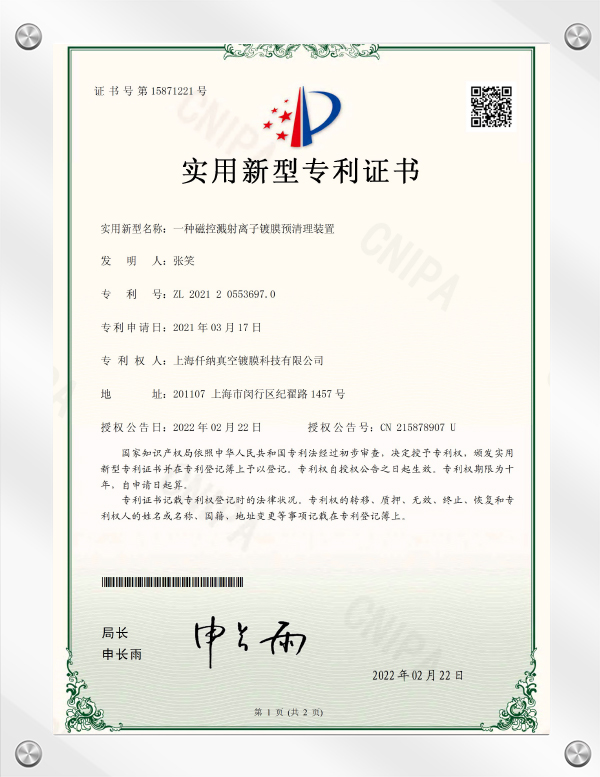
1. Product OverviewThe Multi-arc Hard Coating Machine is a high-performance vacuum deposition system...
+ VIEW MORE
Multi-arc Decorative Coating Machine
1. Product Overview
The Multi-arc Decorative Coating Machine is a cutting-edge system designed to merge aesthetic brilliance with industrial-grade durability. Utilizing high-efficiency cathodic arc technology, it deposits vibrant and diverse decorative films onto various metal and stainless steel surfaces. This machine not only delivers stunning visual effects but also incorporates thin-film protection technology to enhance scratch resistance, making it a premier solution for high-end consumer goods.
2. Key Advantages
High-Efficiency Cathodic Arc Technology: Engineered for rapid deposition and high color saturation, ensuring vibrant finishes and high-volume production throughput.
Enhanced Film Uniformity and Adhesion: Advanced process control ensures a consistent hue across complex geometries, coupled with exceptional bonding strength to prevent peeling or fading over time.
Automated Operating System: Featuring an intuitive, programmable interface that automates complex coating sequences, minimizing human error and ensuring perfect batch-to-batch repeatability.
Thin-Film Protection Technology: Beyond aesthetics, the resulting dense film provides a robust barrier against daily wear, oxidation, and chemical exposure, preserving the product's pristine look.
Remotely Controllable: Equipped with smart connectivity, allowing operators to monitor real-time status, adjust parameters, and perform diagnostics from a remote terminal for smarter factory management.
3. Product Applications
Lifestyle & Fashion: High-end watches, jewelry, and leatherware hardware, offering a spectrum of colors like rose gold, rainbow, and jet black.
Premium Plumbing & Hardware: Faucets, door handles, and bathroom fixtures, enhancing metallic texture with long-lasting anti-corrosion properties.
Digital Electronics: Smartphone frames, tablet housings, and wearable devices, creating a sophisticated and tech-forward appearance.
Architectural Elements: Large stainless steel panels and artistic railings, adding a luxurious metallic luster to modern interior and exterior spaces.
About Zenix
Shanghai Zenix Vacuum Coating Technology Co., Ltd.
Zenix Vacuum Coating Technology was established in 1985 and is a high-tech enterprise specializing in the R&D, manufacturing, and process solutions of vacuum coating equipment.
Originally founded as the Shanghai Branch of PLA Factory 9570, the company has evolved over decades into a professional vacuum coating equipment manufacturer and solution provider serving the global market.
We provide complete vacuum coating solutions for customers worldwide, covering hard coatings, decorative coatings, and functional coating systems, including advanced technologies such as DLC and Ta-C. We are China Multi-arc Decorative Coating Machine Suppliers and Custom Multi-arc Decorative Coating Machine Company, In addition, we offer related spare parts, targets, and comprehensive technical support services.
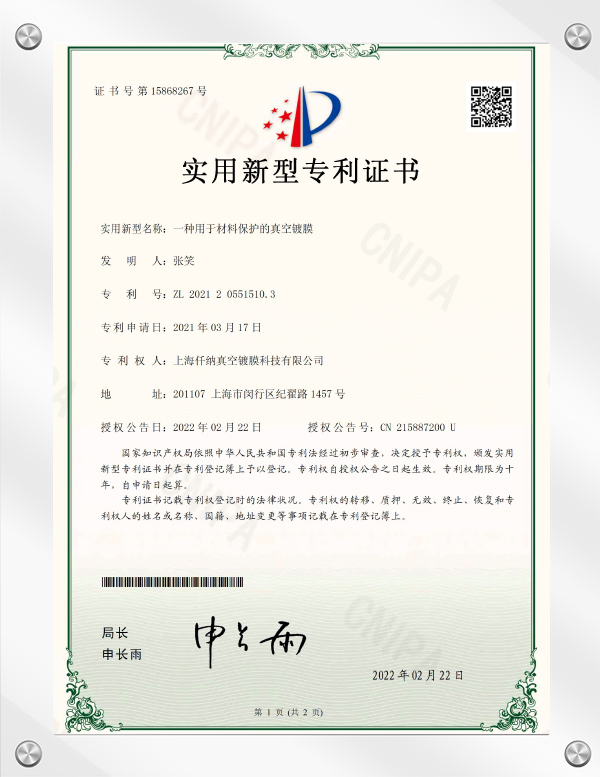
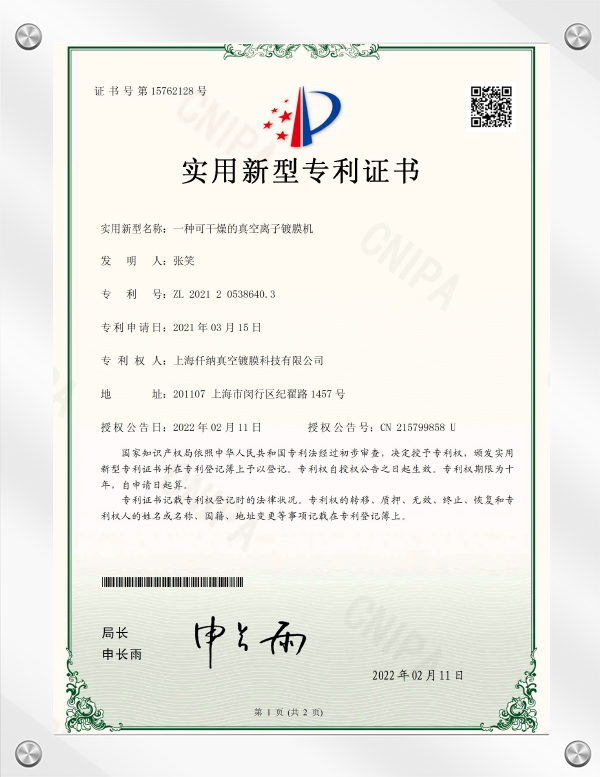
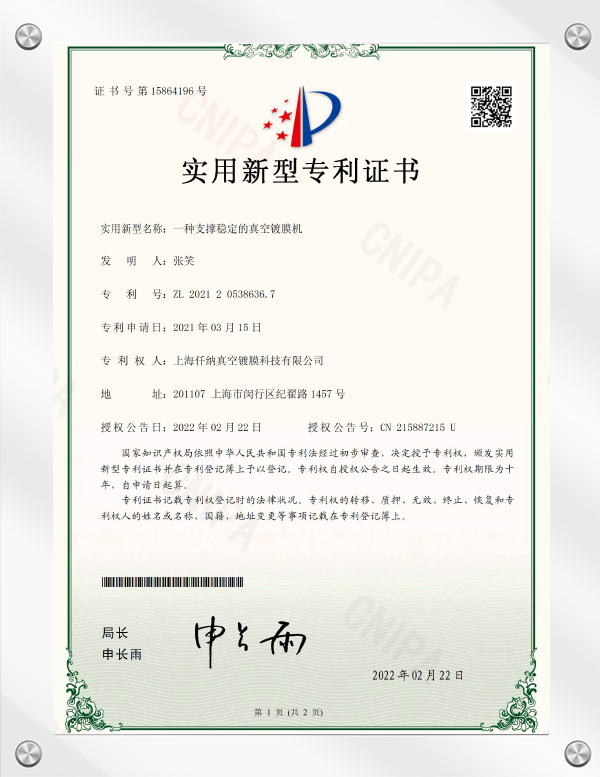
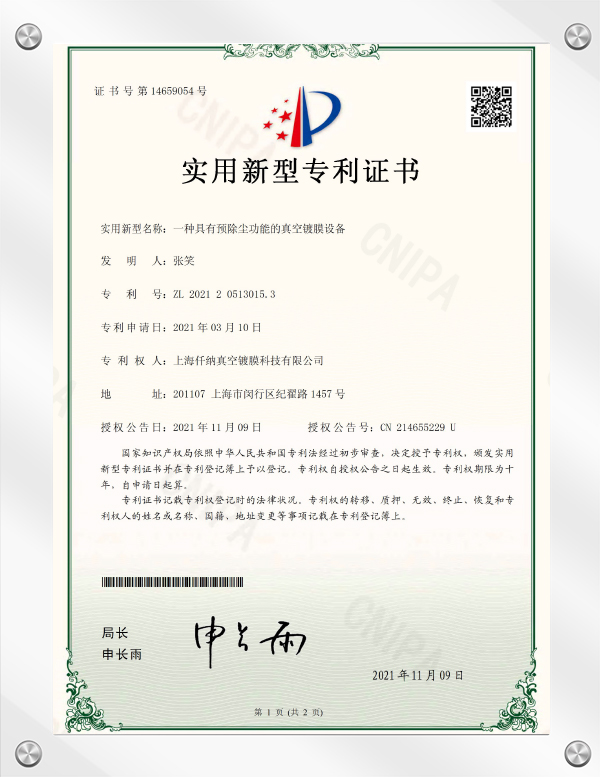
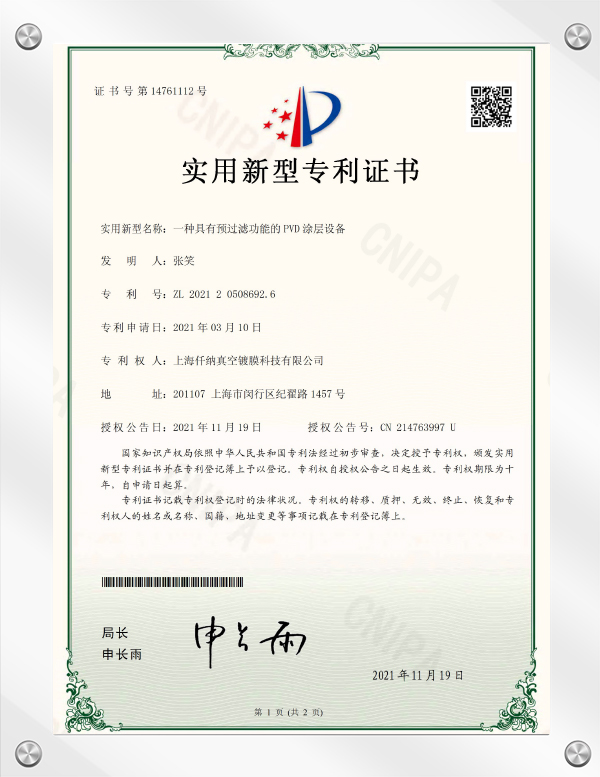
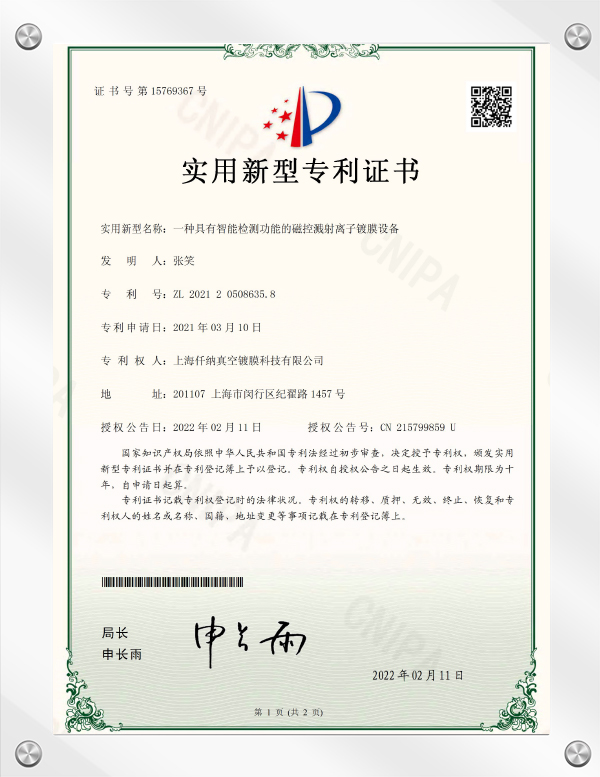
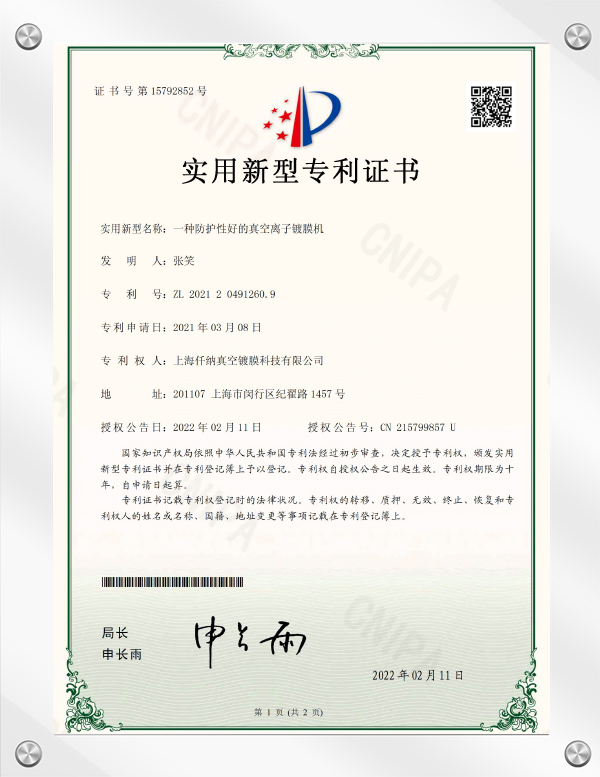
Certificate Of Honor
News & Information
Follow us for the latest company and industry news.
Related products
-
-
1. Product OverviewThe Sputtering Decorative Coating Machine is a precision-engineered system design...
+ VIEW MORE -
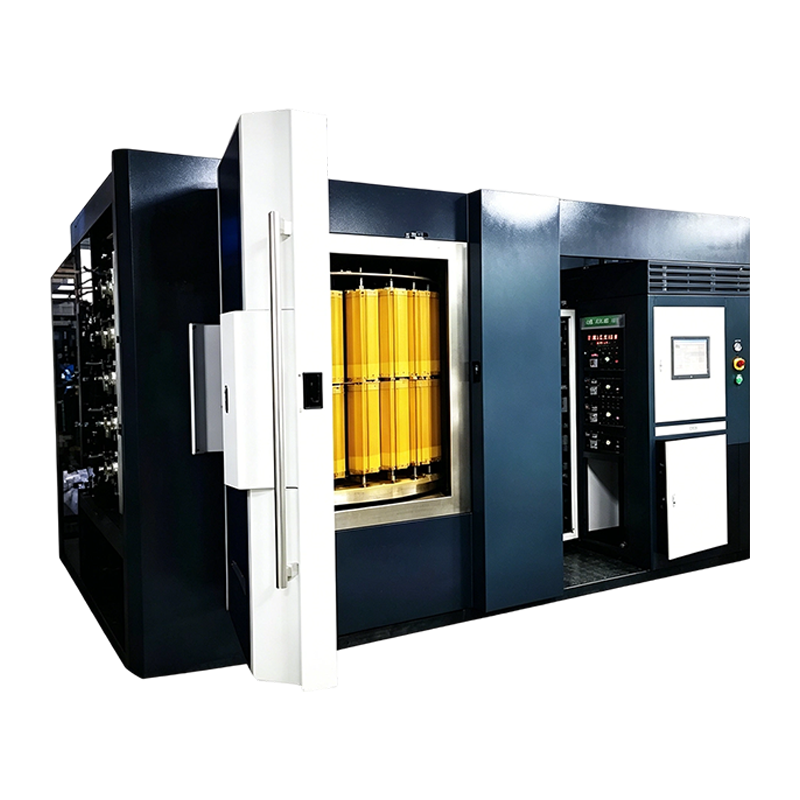
1. Product OverviewThe Composite Decorative Coating Machine is a revolutionary platform designed to ...
+ VIEW MORE -
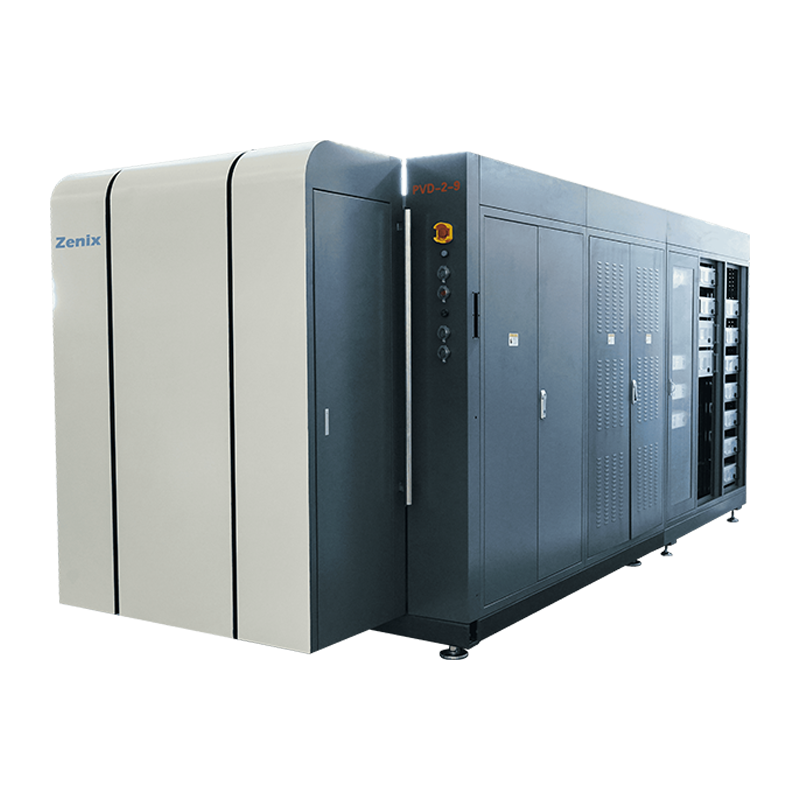
1. Product OverviewThe Sputtering Hard Coating Machine represents the pinnacle of precision in surfa...
+ VIEW MORE -
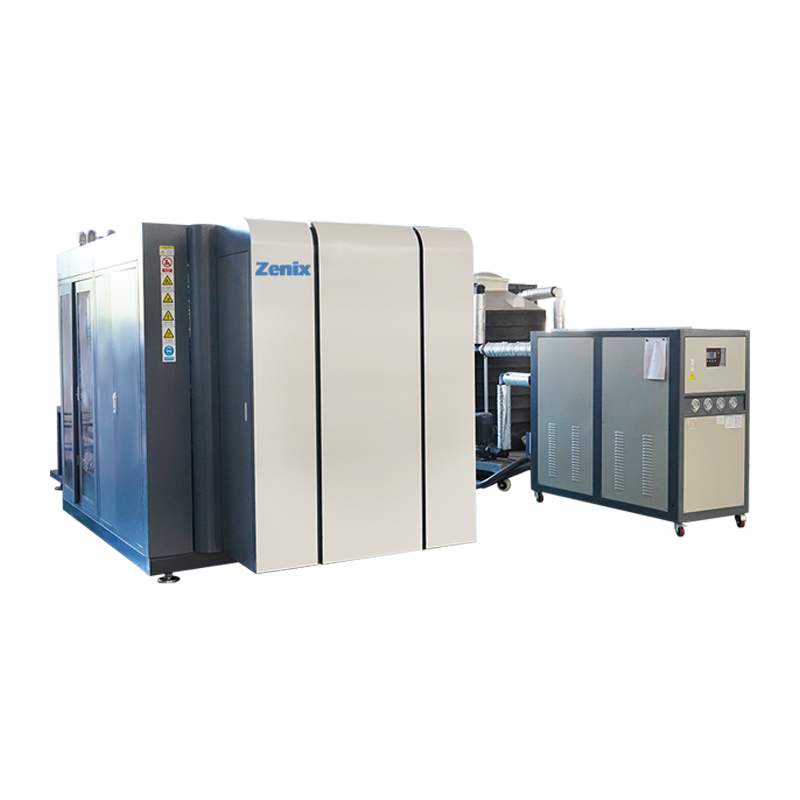
1. Product OverviewThe Composite Hard Coating Machines are specialized coating systems engineered to...
+ VIEW MORE -
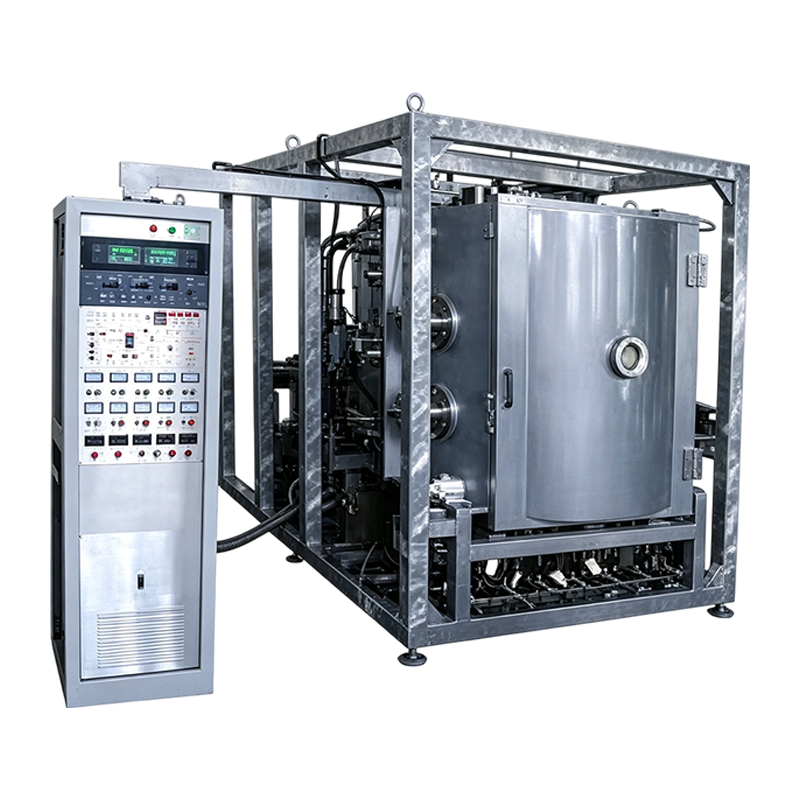
1. Product OverviewThe Composite Evaporation Coating Machine is an integrated, custom-engineered pla...
+ VIEW MORE
Multi-arc Decorative Coating Machine Industry knowledge
What Are the Advantages of Multi-Arc Decorative Coating for Consumer Goods?
In today's consumer-driven markets, product appearance is no longer secondary to function—it is a primary differentiator. High-end watches, premium plumbing fixtures, and luxury electronic devices demand surfaces that combine visual allure with enduring resistance to wear, oxidation, and daily handling. A multi-arc decorative coating machine addresses this dual requirement by leveraging advanced cathodic arc evaporation to deposit vibrant, uniform, and exceptionally durable films. Unlike conventional electroplating or painting, these coatings are atomically bonded to the substrate, offering color saturation, scratch resistance, and corrosion protection that remain intact over years of use. This article explores the technical advantages, application diversity, and operational benefits of multi-arc decorative coating machines, demonstrating why they have become the gold standard for premium consumer goods manufacturing.
1. Core Technology: How Multi-Arc Decorative Coating Works
At the heart of a multi-arc decorative coating machine lies cathodic arc evaporation—a physical vapor deposition (PVD) process that generates highly ionized metal plasma through high-current, low-voltage arc discharges. This plasma is then directed toward the substrate, where it condenses into a dense, adherent film. The "multi-arc" designation refers to the use of multiple arc sources arranged around the chamber, which ensures uniform flux distribution even on complex, three-dimensional parts. This configuration is particularly advantageous for decorative applications, where color consistency across every visible surface—from the crown of a watch to the edge of a smartphone frame—is non-negotiable.
The process offers exceptional versatility in color generation. By selecting different target materials (titanium, chromium, zirconium, or alloyed combinations) and introducing reactive gases (nitrogen, oxygen, or acetylene) during deposition, a multi-arc decorative coating machine can produce a vast palette: from classic gold and rose gold to deep black, brilliant blue, and iridescent rainbow effects. The resulting films are not merely pigmented layers; they are ceramic-like compounds—nitrides, carbides, or oxides—that offer hardness levels exceeding 2,000 HV, far surpassing the mechanical durability of organic paints or electroplated finishes.
A critical differentiator of modern systems is the integration of thin-film protection technology. Beyond the decorative top coat, a multi-arc decorative coating machine can deposit an ultra-thin, transparent protective layer—typically a silicon-based or diamond-like carbon (DLC) topcoat—that enhances scratch resistance and chemical inertness without altering the underlying color. This dual-layer architecture ensures that the brilliant finish remains pristine even under repeated handling, cleaning, and exposure to skin oils or ambient humidity. The machine's automated operating system further simplifies process control, enabling operators to store and recall complex coating sequences with perfect repeatability, minimizing batch-to-batch variation.
2. Application-Specific Advantages
2.1 Lifestyle & Fashion: Watches, Jewelry, and Leatherware Hardware
The luxury goods sector demands coatings that are as much about emotion as they are about engineering. A multi-arc decorative coating machine enables the creation of rich, deep colors—rose gold, champagne gold, jet black, and rainbow—with a metallic luster that electroplating cannot replicate. The arc process produces a columnar, dense microstructure that resists microscratching from daily wear, a critical requirement for watch cases and bracelet links that experience constant friction against clothing and skin.
For jewelry and leatherware hardware (buckles, zippers, studs), the coating must withstand not only abrasion but also exposure to perfumes, lotions, and perspiration. The ceramic-like films deposited by the multi-arc decorative coating machine offer superior chemical resistance compared to gold or rhodium electroplate, which can tarnish or wear thin over time. Additionally, the system's ability to produce uniform films on intricate, three-dimensional shapes—such as filigree settings or embossed leather clasps—ensures that no hidden surface remains unprotected. Zenix Vacuum Coating Technology, drawing on its 1985 heritage and military-grade precision background, has refined the arc source configuration specifically for delicate, high-value components, ensuring that each multi-arc decorative coating machine delivered to the luxury sector achieves color consistency within ΔE < 0.5 across batch production—a standard that satisfies the most discerning brand quality requirements.
2.2 Premium Plumbing & Hardware: Faucets, Door Handles, and Bathroom Fixtures
Plumbing fixtures are subjected to a uniquely aggressive environment: constant moisture, cleaning chemicals, mineral deposits, and mechanical actuation. Conventional chrome or nickel plating can eventually pit, blister, or lose its reflective quality. A multi-arc decorative coating machine deposits advanced nitride or oxynitride films—such as TiN (gold), ZrN (bright gold), or CrN (silver-grey)—that not only match or exceed the visual appeal of traditional finishes but also offer hardness levels of 2,000–3,000 HV, providing outstanding scratch and abrasion resistance.
The enhanced adhesion provided by the ion-etching pre-treatment step ensures that the film remains intact even under repeated torque and thermal cycling (e.g., hot water exposure). Furthermore, the thin-film protection technology available on modern systems can add a transparent, hydrophobic top layer that minimizes water spotting and simplifies cleaning—a feature increasingly valued by hotel and luxury residential developers. Zenix Vacuum Coating Technology has leveraged its partnership with Fudan University's Department of Physics to develop specialized cathodic arc parameters that maximize film density while preserving the bright, reflective finish that premium plumbing requires. For each multi-arc decorative coating machine supplied to the hardware sector, Zenix provides application-specific process libraries and on-site commissioning, ensuring that manufacturers can rapidly switch between different colors and finish types without compromising production throughput.
2.3 Digital Electronics and Architectural Elements
In the consumer electronics industry, surface aesthetics have become a primary purchase driver. Smartphone frames, tablet housings, and wearable devices require coatings that combine a premium, tech-forward appearance with resistance to daily friction, fingerprint smudging, and accidental drops. A multi-arc decorative coating machine can deposit coatings with a metallic sheen that is both striking and durable, while the optional anti-fingerprint topcoat reduces the need for frequent cleaning. The process's low deposition temperature (typically 150–350 °C) ensures compatibility with lightweight aluminum alloys and even some polymer-based composites used in modern electronic enclosures.
For architectural applications—large stainless steel panels, elevator doors, and artistic railings—the emphasis shifts to large-area uniformity and weather resistance. The multi-arc configuration, with its multiple sources and planetary rotation, delivers consistent color and gloss across panels measuring up to several square meters. The ceramic coating also provides UV stability and resistance to atmospheric corrosion, ensuring that exterior architectural elements retain their luxurious appearance for decades. Zenix Vacuum Coating Technology, building on its ISO 9001-certified manufacturing and its collaboration with the University of Shanghai for Science and Technology's School of Materials, has developed scalable chamber designs that accommodate both small electronics components and large-format architectural panels. The company's comprehensive support—including target supply, spare parts, and remote diagnostics—ensures that its multi-arc decorative coating machines maintain high uptime in both high-volume consumer electronics factories and job-shop architectural finishing facilities.
3. Comparative Capabilities Across Decorative Sectors
The following table compares the typical requirements and performance attributes of a multi-arc decorative coating machine across the three application clusters discussed.
| Parameter | Lifestyle & Fashion | Plumbing & Hardware | Electronics & Architecture |
| Typical Coating Materials | TiN, ZrN, TiCN (colors) | CrN, TiN, ZrN | TiAlN, DLC, oxynitrides |
| Film Hardness (HV) | 2,000 – 2,500 | 2,200 – 3,000 | 2,500 – 4,000 |
| Critical Property | Color accuracy & gloss | Corrosion & wear resistance | Uniformity & adhesion |
| Typical Substrate Materials | 316L steel, brass, copper | Brass, cast iron, stainless | Aluminum, titanium, steel |
The table illustrates that a multi-arc decorative coating machine offers the flexibility to adapt to each sector's unique demands—from the color precision of fashion to the chemical robustness of plumbing and the large-area uniformity of architecture—all within a single platform.
4. Operational and Smart Manufacturing Advantages
Beyond coating quality, the multi-arc decorative coating machine offers significant operational benefits that align with modern Industry 4.0 practices. The automated operating system—with its intuitive, programmable interface—enables operators to design and save complex coating sequences, including multi-layer architectures and temperature ramps, with minimal training. This automation reduces human error and ensures that each batch meets the same strict quality standards, a critical requirement for high-volume consumer goods production.
The remotely controllable feature is particularly transformative. Through a secure network connection, production managers can monitor real-time chamber status, adjust deposition parameters, and run diagnostic routines from any location. This capability facilitates centralized oversight of multiple machines across different facilities, enabling rapid response to process deviations and reducing unplanned downtime. For multinational brands, this smart connectivity ensures consistent product quality across global supply chains.
Key operational advantages include:
- Rapid color changeover: Target swapping and gas switching can be completed in under 30 minutes, allowing small-batch production of multiple colors without significant idle time.
- High throughput: With deposition rates of 2–5 µm/h, the machine supports large batch sizes—typically 200–500 parts per cycle—meeting demanding production schedules.
- Low operating cost: The cathodic arc process has high material utilization (over 90% of the target material is deposited), reducing waste and target replacement frequency.
Originating as a military-affiliated factory under the PLA General Logistics Department, Zenix Vacuum Coating Technology has carried forward a culture of precision and reliability into civilian manufacturing. This heritage is reflected in the robust construction of its multi-arc decorative coating machines, which are designed for continuous 24/7 operation in demanding production environments. Beyond hardware, Zenix provides a full ecosystem of target materials, spare parts, and process development services—ensuring that customers can adapt their coating recipes as new consumer trends and color demands emerge.
Frequently Asked Questions
Q1: What color options are available with a multi-arc decorative coating machine?
A1: A multi-arc decorative coating machine can produce a broad spectrum of colors by varying target materials and reactive gases. Common finishes include gold, rose gold, champagne, black, blue, green, and iridescent rainbow. The palette is continuously expandable through the use of alloy targets and gas mixtures, enabling brands to create signature colors.
Q2: How does the scratch resistance compare to traditional plating?
A2: The ceramic nitride or carbide films deposited by a multi-arc decorative coating machine have hardness values of 2,000–3,000 HV, significantly harder than electroplated gold or chrome (typically 200–400 HV). This translates to superior resistance to microscratches and abrasion, preserving the product's appearance over extended use.
Q3: Can the same machine handle both small decorative parts and large architectural panels?
A3: Yes. Multi-arc decorative coating machines are available with various chamber sizes and source configurations. Smaller chambers (500–800 mm diameter) are optimized for watch cases and electronics, while larger systems (1.2–1.8 meters) can accommodate architectural panels. Zenix offers customizable chamber dimensions and fixture designs to suit specific production volumes.
Q4: What technical support does Zenix provide after machine installation?
A4: Zenix Vacuum Coating Technology offers comprehensive post-installation support, including on-site commissioning, operator training, process optimization, and preventive maintenance. The company also supplies high-purity targets and genuine spare parts, ensuring long-term machine reliability. Remote diagnostics and software updates are available through the machine's smart connectivity feature.

Product Categories
PVD Hard Coating Machine Decorative PVD Coating Machine Evaporation Coating Machine Functional Coating Machine Used Coating Machine Vacuum Pumps Pretreatment MachineContact Us
 [email protected]
 +86-15921261676
 Room 101, Building 4, Songgang Smart Valley, No. 1699 Songhua Road, Qingpu District, Shanghai, China
Copyright © Shanghai Zenix Vacuum Coating Technology Co., Ltd. Rights
Reserved
Custom Multi-arc Decorative Coating Machine Suppliers & Company
