

 English
  Español
  عربى
عربى  русский
1. Product OverviewThe Multi-arc Hard Coating Machine is a high-performance vacuum deposition system...
+ VIEW MORE
DLC Coating Machine
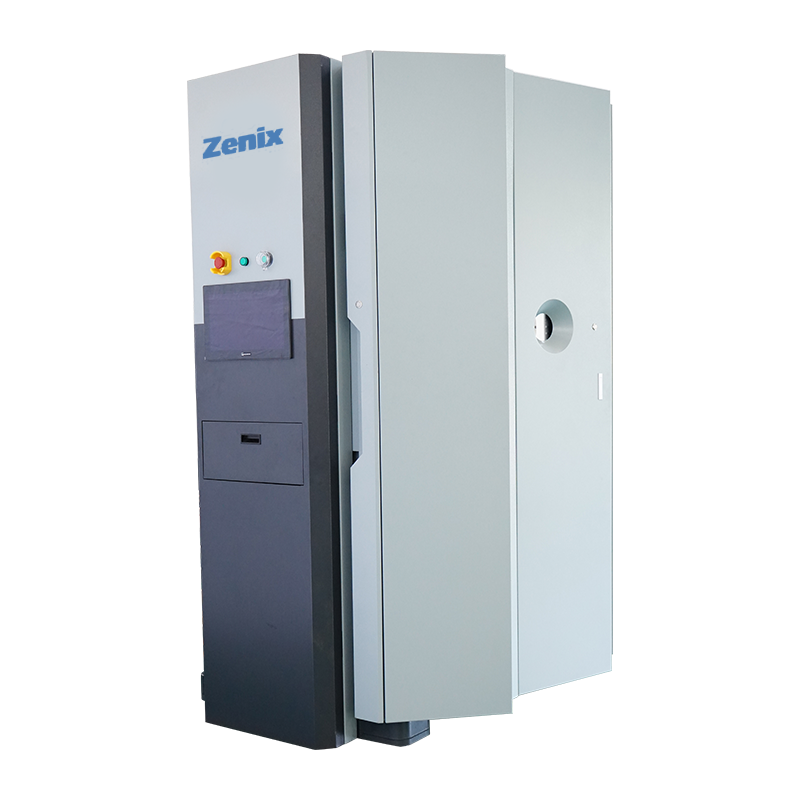
1. Product Overview
The DLC (Diamond-Like Carbon) Coating Machine is a premier system engineered to deposit amorphous carbon films that mirror the extraordinary properties of natural diamonds. By utilizing advanced plasma-enhanced technology, this machine applies a protective layer characterized by extreme hardness, self-lubricating performance, and a sophisticated deep-black finish. It is the definitive solution for reducing friction, preventing wear, and elevating the premium feel of precision components.
2. Key Advantages
Superior Physical Performance:
Extreme Hardness (1000-4000 HV): Provides diamond-like scratch resistance, significantly reinforcing surface integrity.
Ultra-Low Friction Coefficient (0.05-0.1): Ensures exceptional self-lubrication, drastically reducing mechanical drag and energy consumption.
Low Stress & Excellent Adhesion: Proprietary film formation protection technology, paired with a high-performance ion source, guarantees robust bonding even in thicker layers, preventing delamination.
Efficient Hardware Architecture:
High Utilization Rate Targets: Optimized magnetic field designs maximize target consumption efficiency, reducing total cost of ownership.
3D Removable Rotating Rack: A versatile loading system that ensures 360° uniform coverage for workpieces of complex geometries and varying sizes.
Intelligent Control & Professional Expertise:
Independent Operating System: A dedicated software interface allows for the precise tuning of complex pulse parameters and plasma density.
Professional Process Technology: Pre-loaded with expert-grade recipes, enabling one-touch execution of mature DLC processes for diverse substrates.
Refined Aesthetic Appeal: Produces a Superior Bright Black finish that combines high-performance protection with a luxurious, high-tech visual identity.
3. Product Applications
Precision Mechanics & Powertrains: Critical Automotive Engine Components, Compressor and Pump Parts to minimize friction and extend service intervals.
Industrial Tooling: Enhancing the lifespan and release properties of Cutting Tools and Molds & Forming Tools.
High-Tech & Specialized Components: Essential for Optical and Electronic Components, Aerospace Parts, and Marine & Offshore Equipment requiring extreme environmental durability.
Medical & Consumer Goods: Medical Devices (biocompatibility), Textile & Printing Machinery, and high-end Consumer Electronics where wear resistance meets aesthetic perfection.
About Zenix
Shanghai Zenix Vacuum Coating Technology Co., Ltd.
Zenix Vacuum Coating Technology was established in 1985 and is a high-tech enterprise specializing in the R&D, manufacturing, and process solutions of vacuum coating equipment.
Originally founded as the Shanghai Branch of PLA Factory 9570, the company has evolved over decades into a professional vacuum coating equipment manufacturer and solution provider serving the global market.
We provide complete vacuum coating solutions for customers worldwide, covering hard coatings, decorative coatings, and functional coating systems, including advanced technologies such as DLC and Ta-C. We are China DLC Coating Machine Suppliers and Custom DLC Coating Machine Company, In addition, we offer related spare parts, targets, and comprehensive technical support services.
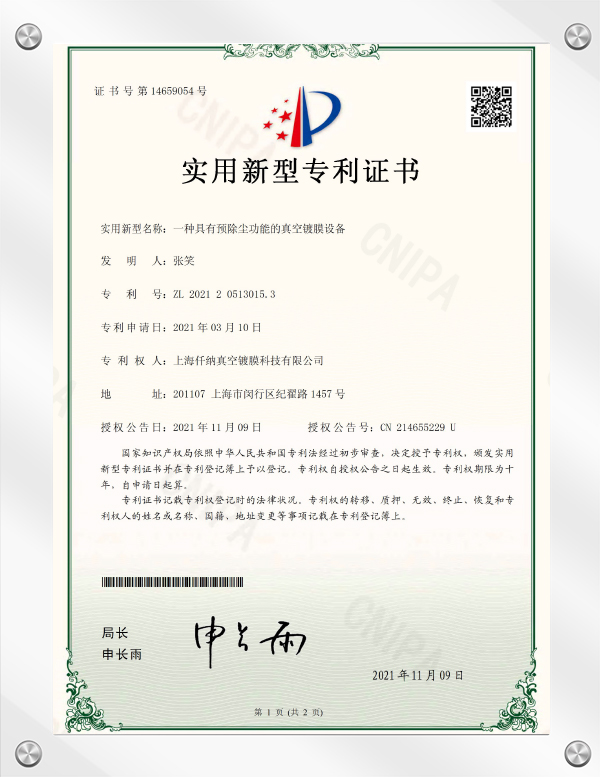
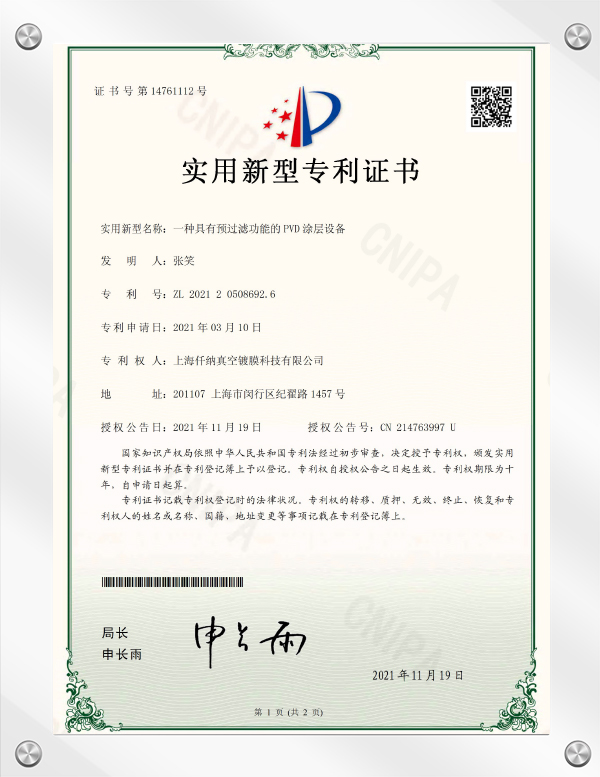
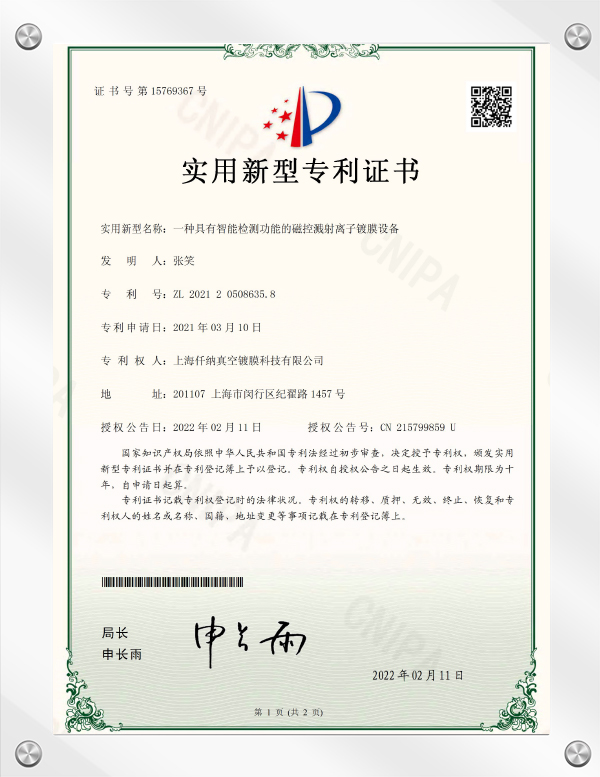
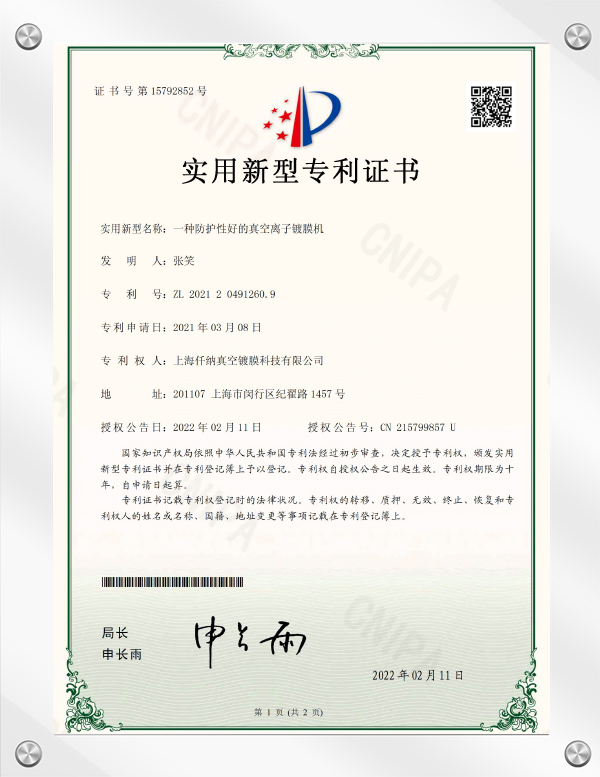
Certificate Of Honor
News & Information
Follow us for the latest company and industry news.
Related products
-
-
1. Product OverviewThe Sputtering Hard Coating Machine represents the pinnacle of precision in surfa...
+ VIEW MORE -
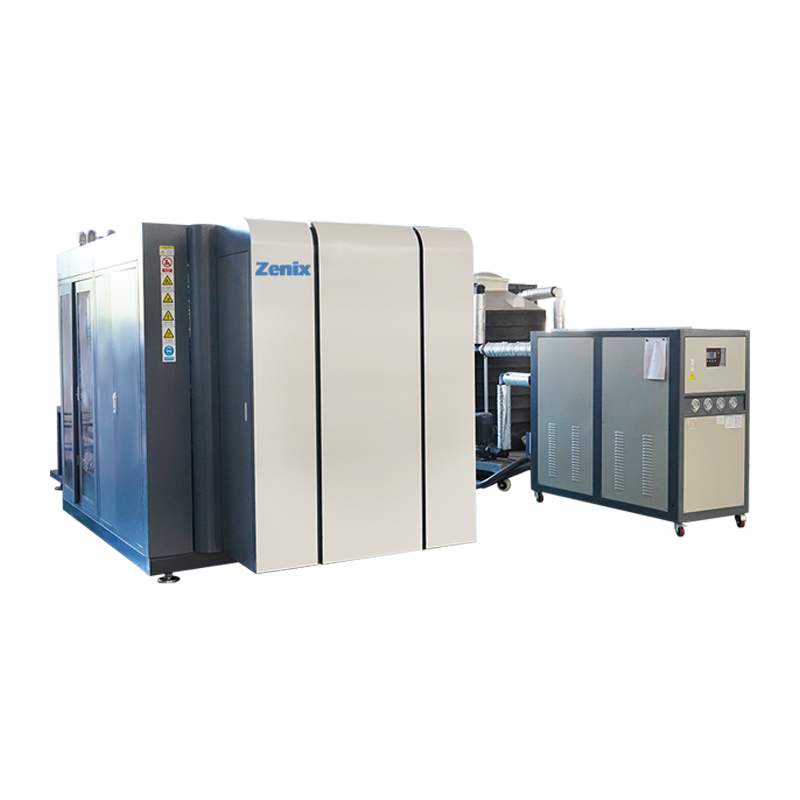
1. Product OverviewThe Composite Hard Coating Machines are specialized coating systems engineered to...
+ VIEW MORE -
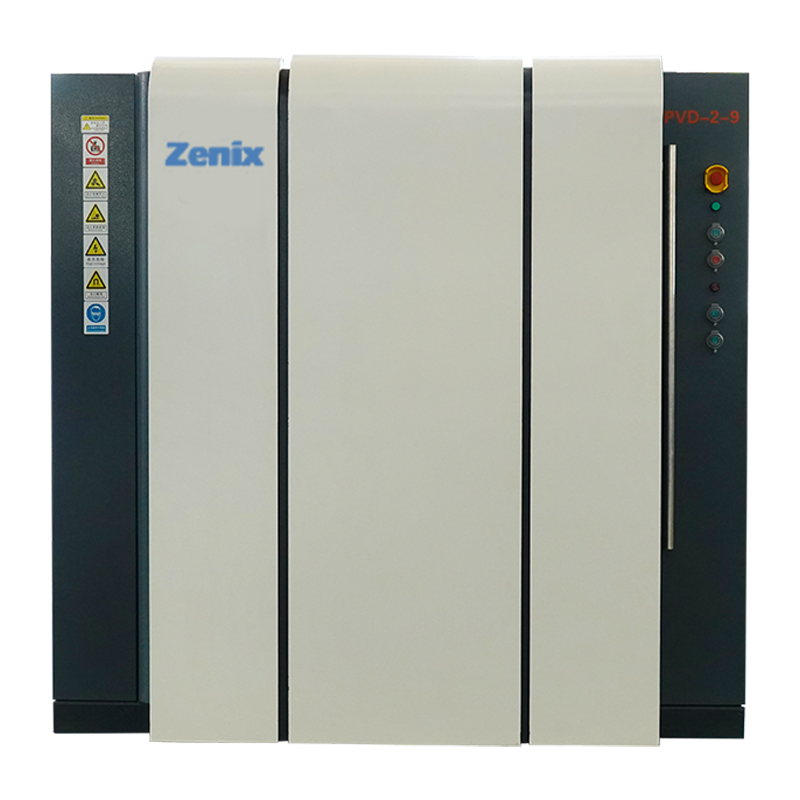
1. Product OverviewThe Multi-arc Decorative Coating Machine is a cutting-edge system designed to mer...
+ VIEW MORE -
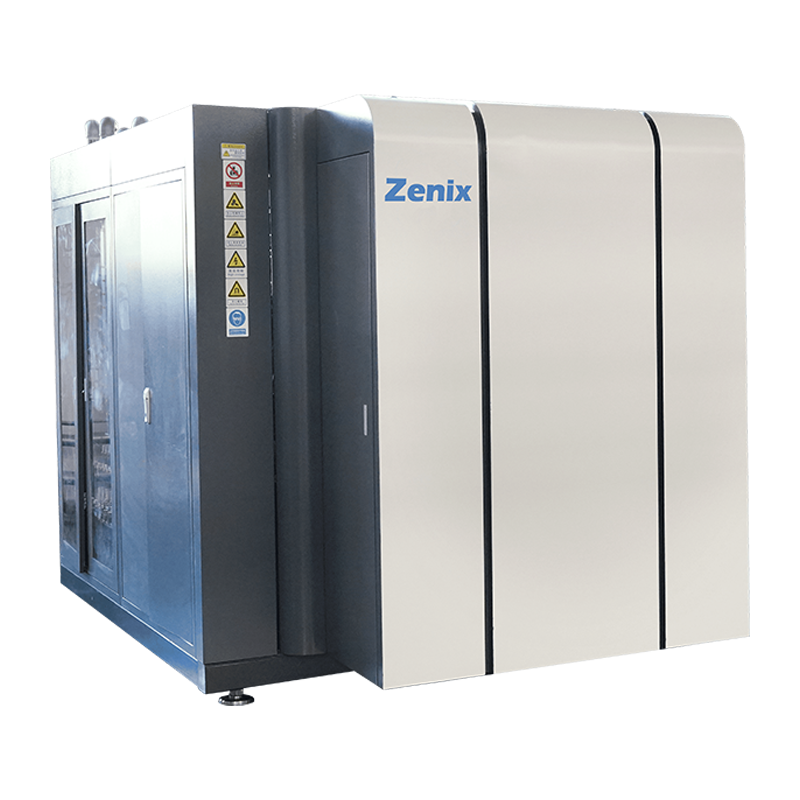
1. Product OverviewThe Sputtering Decorative Coating Machine is a precision-engineered system design...
+ VIEW MORE -
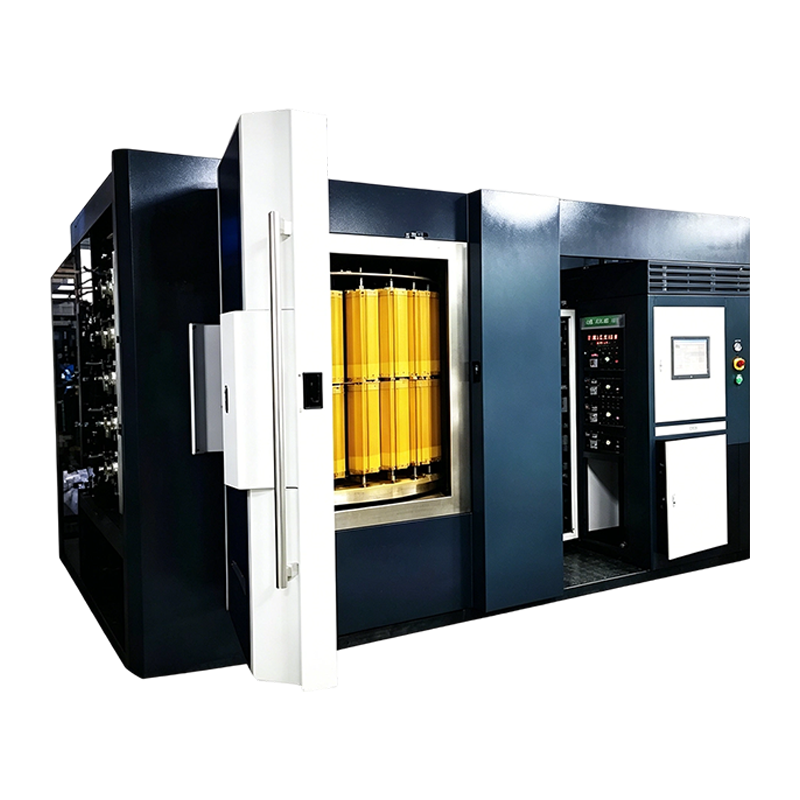
1. Product OverviewThe Composite Decorative Coating Machine is a revolutionary platform designed to ...
+ VIEW MORE
DLC Coating Machine Industry knowledge
How Does a DLC Coating Machine Reduce Friction in Automotive Engines?
In modern automotive engineering, the pursuit of greater fuel efficiency, reduced emissions, and extended component lifespan has driven the adoption of advanced surface technologies. Among these, diamond-like carbon (DLC) coatings have emerged as a transformative solution for reducing friction and wear in internal combustion engines. A DLC coating machine deposits amorphous carbon films that combine extreme hardness with exceptional self-lubricating properties, creating a protective layer that dramatically reduces mechanical drag in critical powertrain components. This article explores the mechanisms by which DLC coating machines reduce friction in automotive engines, examines their application across key engine components, and demonstrates why this technology has become essential for meeting increasingly stringent fuel economy and durability standards.
1. The Friction Challenge in Automotive Engines
Internal combustion engines contain hundreds of moving components operating under extreme conditions: high temperatures, high contact pressures, and rapidly changing loads. Friction in the engine accounts for approximately 10–15% of total fuel consumption, with the piston ring-cylinder interface, valvetrain components, and bearing surfaces being the primary contributors. A DLC coating machine addresses these losses through the deposition of a thin, hard, and inherently lubricious carbon film that minimizes both boundary and mixed-film friction.
The friction-reducing mechanism of DLC coatings is rooted in their unique atomic structure. DLC films consist of a mixture of sp² (graphite-like) and sp³ (diamond-like) bonded carbon atoms. This hybrid structure provides an exceptional combination of properties: the sp³ bonds contribute to extreme hardness (1,000–4,000 HV), while the sp² domains facilitate low shear strength, enabling the film to act as a solid lubricant. When applied in a DLC coating machine, the resulting film exhibits a friction coefficient of 0.05–0.1—significantly lower than the 0.1–0.3 typical of hardened steel surfaces running with oil lubrication.
A critical aspect of modern DLC coating machine designs is the incorporation of advanced ion source technology and proprietary film formation protection. The ion source performs two essential functions: pre-cleaning the substrate to ensure atomic-scale cleanliness, and bombarding the growing film with energetic ions to enhance density and adhesion. This ion-assisted deposition process—often integrated with sophisticated plasma-enhanced chemical vapor deposition (PECVD) or hybrid sputtering technologies—produces films with exceptionally low residual stress, enabling thicker coatings (up to 5 µm) without delamination. The result is a durable, low-friction layer that maintains its properties over millions of engine cycles.
2. Application-Specific Friction Reduction
2.1 Valvetrain Components: Tappets, Camshafts, and Valves
The valvetrain is one of the highest-friction areas in an automotive engine, accounting for approximately 20–30% of total mechanical losses. Components such as camshafts, tappets (lifters), and valve stems experience mixed and boundary lubrication conditions, particularly during cold starts and at low speeds. A DLC coating machine deposits a low-friction carbon film on these components, reducing the friction coefficient from approximately 0.12–0.15 for hardened steel to 0.05–0.08 for DLC-coated surfaces operating with standard engine oil.
The friction reduction mechanism is particularly effective under boundary lubrication conditions, where the oil film is insufficient to prevent metal-to-metal contact. The low shear strength of the sp² carbon domains allows the film to slide easily against the counterface, while the high hardness of the sp³ domains resists asperity deformation and wear. In modern engines, DLC-coated tappets have demonstrated friction reductions of 20–40% compared to conventional hardened steel components, contributing to fuel savings of 2–4% in real-world driving cycles. The 3D removable rotating rack configuration of the DLC coating machine ensures uniform coverage on complex geometries such as cam lobes and tappet faces, eliminating areas of incomplete coating that could become friction hot spots. Zenix Vacuum Coating Technology, with its 1985 heritage and deep expertise in functional coatings, offers DLC coating machines specifically optimized for automotive valvetrain applications. The company's collaboration with the Chinese Academy of Sciences Institute of Mechanics has yielded proprietary plasma parameters that achieve low-stress, high-adhesion DLC films on steel and cast iron substrates—materials commonly used in engine valvetrains.
2.2 Piston Rings and Cylinder Liners
The piston ring-cylinder interface is responsible for approximately 40–50% of total engine friction. Rings must maintain a gas seal while sliding against the cylinder wall under high pressures and temperatures. A DLC coating machine applies a wear-resistant, low-friction film to piston rings and, in some cases, cylinder liners, significantly reducing the friction coefficient and wear rate. The extreme hardness of DLC coatings—up to 4,000 HV—provides outstanding resistance to abrasive wear from combustion byproducts, while the low friction coefficient reduces heat generation and scuffing risk.
The 3D removable rotating rack system of the DLC coating machine is particularly valuable for this application, as it enables the uniform coating of large batches of piston rings with complex cross-sectional profiles. The optimized magnetic field design ensures high target utilization, reducing the total cost of ownership for high-volume automotive production. Moreover, the independent operating system allows for precise tuning of complex pulse parameters and plasma density, enabling the deposition of DLC films with tailored properties for specific ring materials and engine designs. Zenix Vacuum Coating Technology has leveraged its extensive experience in functional coating systems—covering DLC and Ta-C technologies—to refine its DLC coating platforms for the demanding automotive powertrain sector. The company's ISO 9001-certified manufacturing ensures that each DLC coating machine delivers consistent film quality, while its comprehensive support—including targets, spare parts, and process development—ensures that customers can maintain high production throughput.
2.3 Fuel Injection Systems and Bearings
Modern high-pressure fuel injection systems—common rail and gasoline direct injection—operate at pressures exceeding 2,000 bar, creating extreme contact stresses on plungers, needles, and nozzle components. A DLC coating machine deposits hard, low-friction films that reduce wear in these high-stress components, extending service life and maintaining injection precision. The self-lubricating properties of DLC are particularly valuable in fuel systems, where the lubricity of the fuel itself may be insufficient to prevent scuffing.
Engine bearings—both main bearings and connecting rod bearings—also benefit from DLC coating. The low friction coefficient reduces heat generation and oil temperature, enabling higher engine speeds and power outputs. The film's chemical inertness provides resistance to corrosion from acidic combustion byproducts, further extending bearing life. The proprietary film formation protection technology integrated into the DLC coating machine ensures robust bonding even in thicker layers, preventing the delamination that can occur with conventional DLC deposition methods. Zenix Vacuum Coating Technology, building on its partnership with the University of Shanghai for Science and Technology's School of Materials, has developed specialized low-temperature DLC processes for fuel system components that might be sensitive to high deposition temperatures. These DLC coating machines incorporate advanced temperature control and plasma density modulation, ensuring that the coating process preserves the critical dimensions and hardness of precision-machined components.
3. Comparative Friction Reduction Across Engine Components
The following table compares the typical friction reduction and performance attributes of a DLC coating machine across the three primary engine component applications discussed.
| Parameter | Valvetrain Components | Piston Rings & Cylinder | Fuel Injection & Bearings |
| Friction Coefficient (DLC-coated) | 0.05 – 0.08 | 0.06 – 0.09 | 0.05 – 0.08 |
| Friction Reduction vs. Uncoated | 30 – 40% | 25 – 35% | 20 – 35% |
| Typical Coating Hardness (HV) | 2,000 – 3,500 | 2,500 – 4,000 | 2,000 – 3,500 |
| Typical Coating Thickness | 1 – 3 µm | 1 – 5 µm | 0.5 – 3 µm |
The data demonstrates that a DLC coating machine offers substantial friction reduction across all major engine friction sources, contributing to cumulative fuel savings and extended component life.
4. Operational Advantages and Implementation Workflow
Beyond the technical benefits, the DLC coating machine offers significant operational advantages for automotive component manufacturers. The intelligent control system features a dedicated software interface that allows for precise tuning of complex pulse parameters and plasma density, ensuring that the DLC process can be optimized for each substrate material and component geometry. Pre-loaded expert-grade recipes enable one-touch execution of mature DLC processes, reducing operator training time and ensuring consistent results.
Key operational advantages that facilitate friction reduction include:
- High utilization rate targets: Optimized magnetic field designs maximize target consumption efficiency, reducing total cost of ownership for high-volume production.
- 3D removable rotating rack: Ensures 360° uniform coverage for workpieces with complex geometries, eliminating coating thickness variations that could create localized friction hotspots.
- Low stress and excellent adhesion: Proprietary film formation protection technology prevents delamination, ensuring the low-friction film remains intact under severe engine conditions.
- Superior bright black aesthetic: Combines high-performance protection with a luxurious visual finish, enhancing the premium appeal of automotive components.
Originating as a military-affiliated factory under the PLA General Logistics Department, Zenix Vacuum Coating Technology has carried forward a culture of precision and reliability into civilian manufacturing. This heritage is reflected in the robust construction of its DLC coating machines, which are designed for continuous 24/7 operation in demanding production environments. Beyond hardware, Zenix provides a full ecosystem of targets, spare parts, and process development services—ensuring that customers can maintain peak performance and adapt their DLC processes as new engine designs and lubrication technologies emerge.
Frequently Asked Questions
Q1: How does DLC coating reduce friction in engine oil environments?
A1: A DLC coating machine deposits a film that, when exposed to engine oil, forms a tribochemical interface that significantly lowers the friction coefficient. The combination of low shear strength of sp² carbon domains and the formation of a thin boundary lubricating layer reduces friction by 20–40% compared to uncoated hardened steel surfaces.
Q2: Can DLC coatings withstand the high temperatures in modern engines?
A2: Yes. High-quality DLC coatings deposited by a DLC coating machine remain stable at temperatures up to 350–400 °C. Advanced doped DLC formulations, such as Si-DLC or W-DLC, offer even higher thermal stability, making them suitable for exhaust valve applications and turbocharger components.
Q3: How long does a DLC coating last in an automotive engine?
A3: With proper film design and deposition parameters—enabled by the precise control of a DLC coating machine—DLC coatings have demonstrated wear life exceeding 200,000 km in production engine tests. The combination of extreme hardness and low friction ensures that the coating remains intact over the engine's design life.
Q4: What support does Zenix provide for automotive DLC coating applications?
A4: Zenix Vacuum Coating Technology offers comprehensive support including process development, coating recipe optimization, and on-site commissioning for automotive applications. The company supplies high-purity targets and genuine spare parts, and its technical support team provides remote diagnostics and on-site training to ensure customers achieve optimal friction reduction results.
Product Categories
PVD Hard Coating Machine Decorative PVD Coating Machine Evaporation Coating Machine Functional Coating Machine Used Coating Machine Vacuum Pumps Pretreatment MachineContact Us
 [email protected]
 +86-15921261676
 Room 101, Building 4, Songgang Smart Valley, No. 1699 Songhua Road, Qingpu District, Shanghai, China
Copyright © Shanghai Zenix Vacuum Coating Technology Co., Ltd. Rights
Reserved
Custom DLC Coating Machine Suppliers & Company
