

 English
  Español
  عربى
عربى  русский
1. Product OverviewThe Multi-arc Hard Coating Machine is a high-performance vacuum deposition system...
+ VIEW MORE
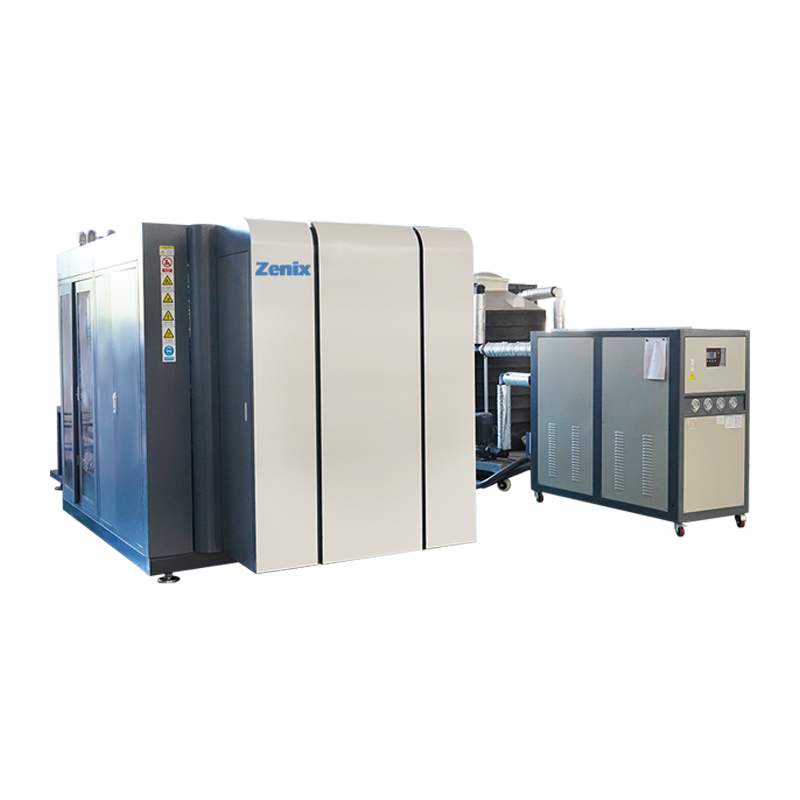
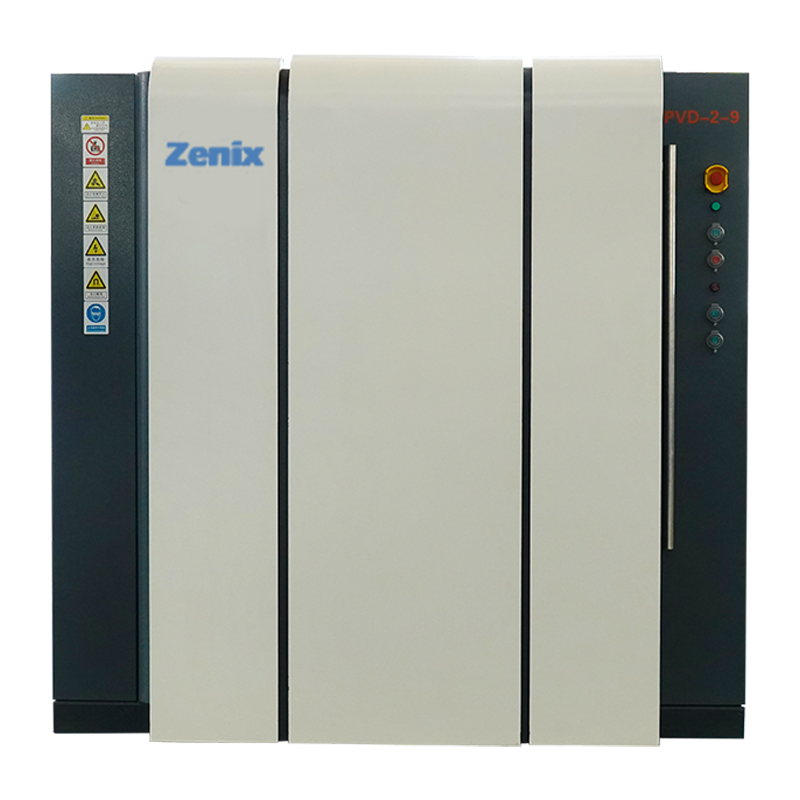
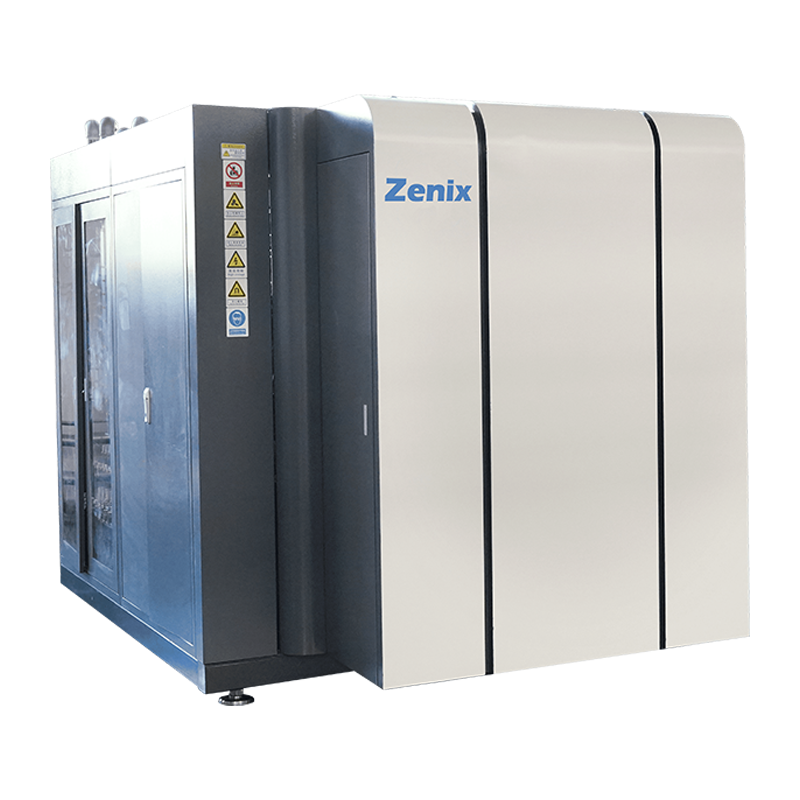
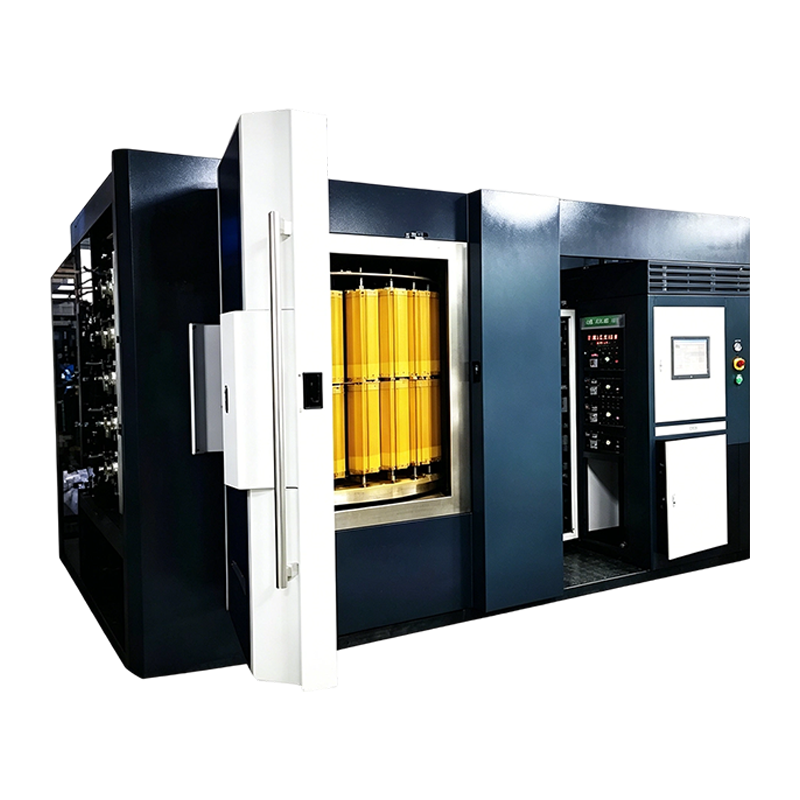
Second Hand PVD Coating Machine
1. Product Overview
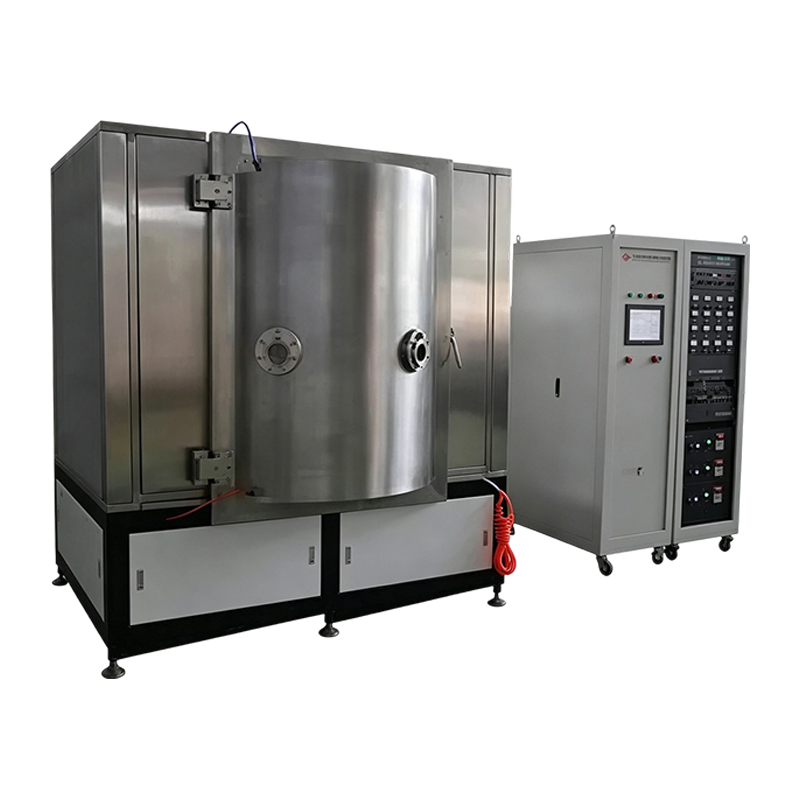
The Second Hand PVD Coating Machine offers a highly attractive, economical solution for customers looking to balance investment costs with high-quality production capabilities. This battle-tested system has a proven track record in depositing a vast array of popular decorative films. It serves as an ideal industrial-grade platform for businesses aiming to rapidly expand capacity, enter the PVD market, or conduct R&D without the high initial capital expenditure of a new system.
2. Key Advantages
Wide Decorative Coating Capability: Equipped with mature color recipes, it easily achieves a full spectrum of decorative finishes, including Gold, Rose Gold, Silver, Grey, Gun-metal, Black, Champagne, and Rainbow Titanium.
Good Surface Finish & Gloss: The system maintains robust performance, producing smooth coatings with exceptional brilliance. With routine maintenance and process optimization, it continues to deliver uniform, high-gloss finishes that meet strict quality standards.
Process Source Flexibility: The machine supports both cathodic arc and magnetron sputtering technologies. This hybrid configuration allows for a diverse range of aesthetic effects, from mirror-bright surfaces to sophisticated matte or brushed textures.
Reliable Low-Temperature Operation: Substrate heating is consistently maintained between 80–300 °C, making it compatible with a wide range of materials including stainless steel, copper alloys, zinc alloys, and selected engineering plastics.
Exceptional Value & Condition:
Functional Core Components: While minor cosmetic wear is present, all critical hardware—including the vacuum chamber, pumping system, power supplies, and heating units—is fully operational.
Cost-Effective Investment: Gain equivalent PVD production power at a fraction of the cost of a new machine, making it a strategic choice for minimizing startup risk and accelerating ROI.
3. Product Applications
Fashion Accessories: High-end watch cases, straps, and premium eyewear frames.
Home & Bathroom Hardware: Faucets, showerheads, door handles, and various bathroom fixtures requiring antioxidant decorative coatings.
Consumer Electronics: Smartphone metal frames, e-cigarette housings, and decorative trims for laptops.
Gifts & Stationery: Premium metal pens, lighters, and various artistic metalware seeking value-added surface treatments.
About Zenix
Shanghai Zenix Vacuum Coating Technology Co., Ltd.
Zenix Vacuum Coating Technology was established in 1985 and is a high-tech enterprise specializing in the R&D, manufacturing, and process solutions of vacuum coating equipment.
Originally founded as the Shanghai Branch of PLA Factory 9570, the company has evolved over decades into a professional vacuum coating equipment manufacturer and solution provider serving the global market.
We provide complete vacuum coating solutions for customers worldwide, covering hard coatings, decorative coatings, and functional coating systems, including advanced technologies such as DLC and Ta-C. We are China Second Hand PVD Coating Machine Suppliers and Custom Second Hand PVD Coating Machine Company, In addition, we offer related spare parts, targets, and comprehensive technical support services.
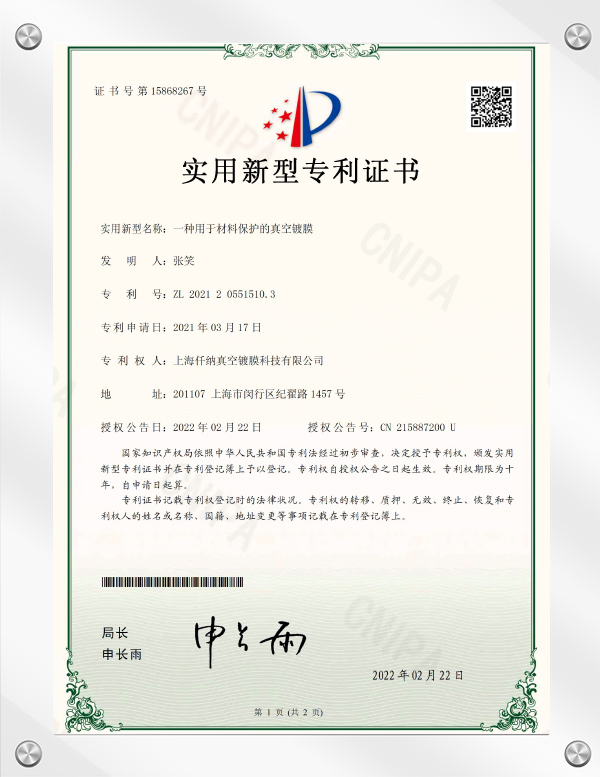
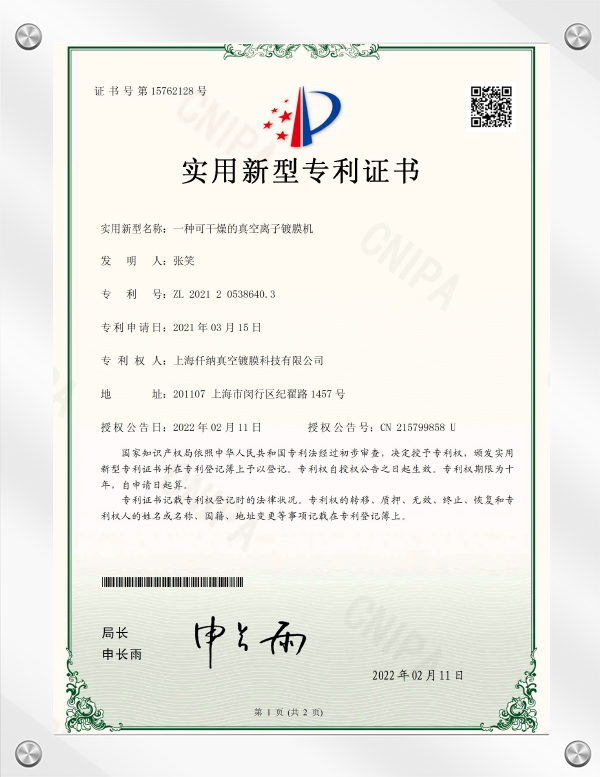
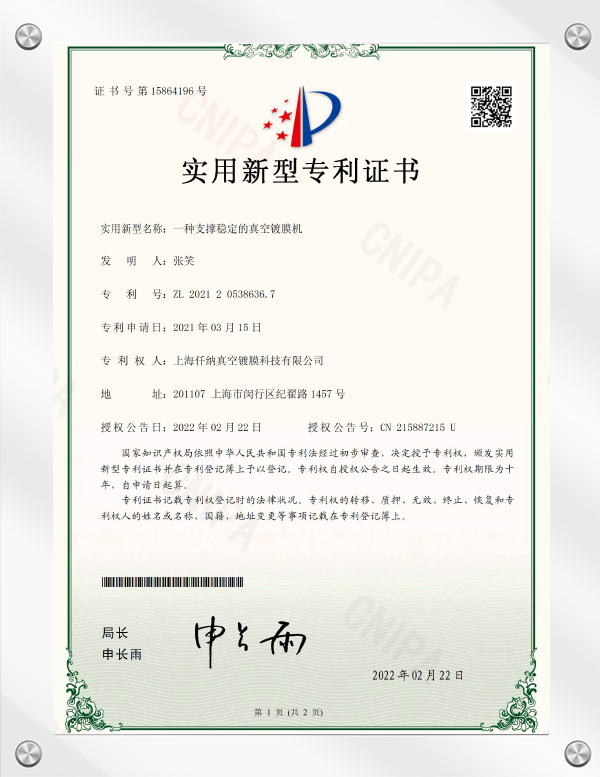
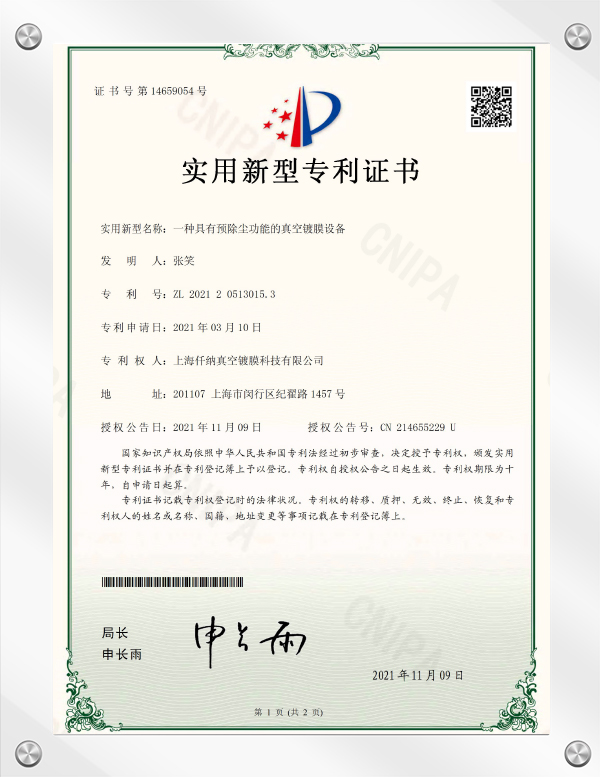
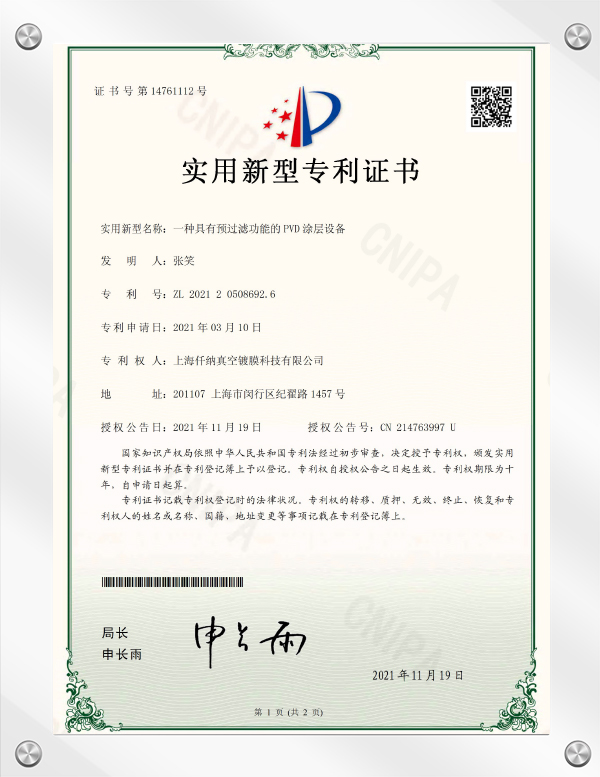
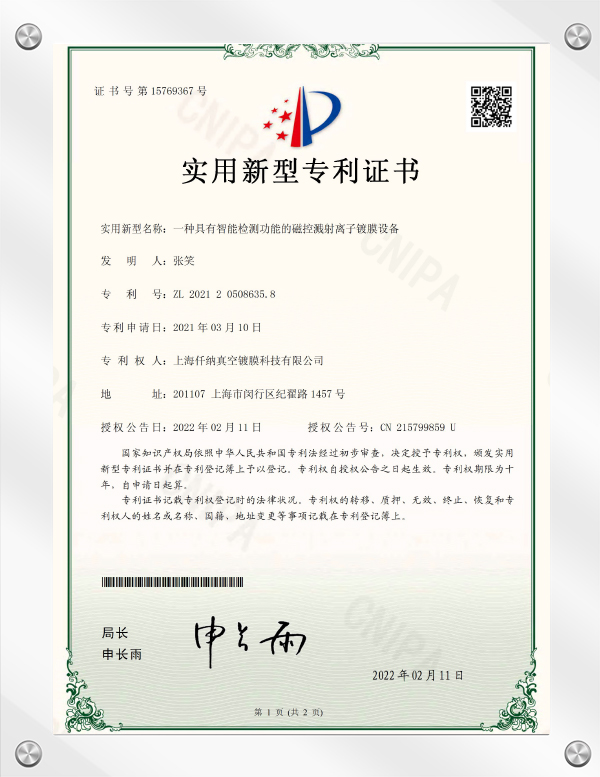
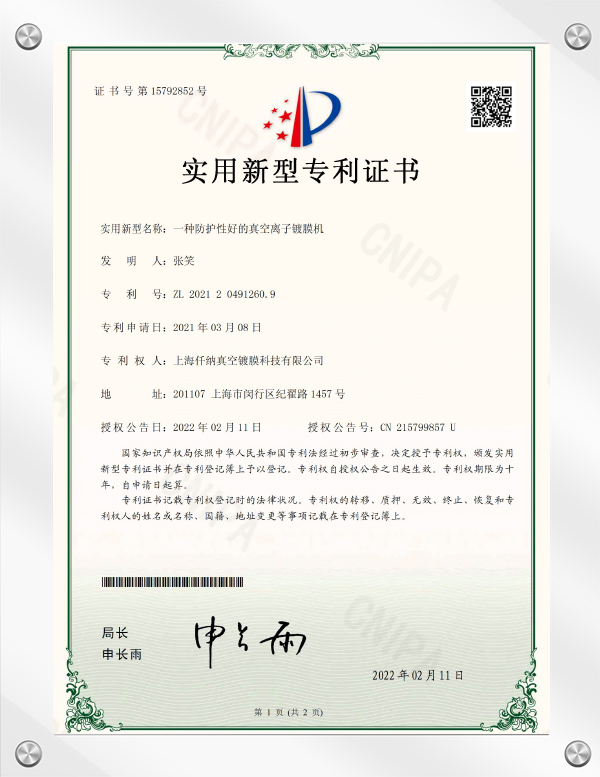
Certificate Of Honor
News & Information
Follow us for the latest company and industry news.
Related products
-
-
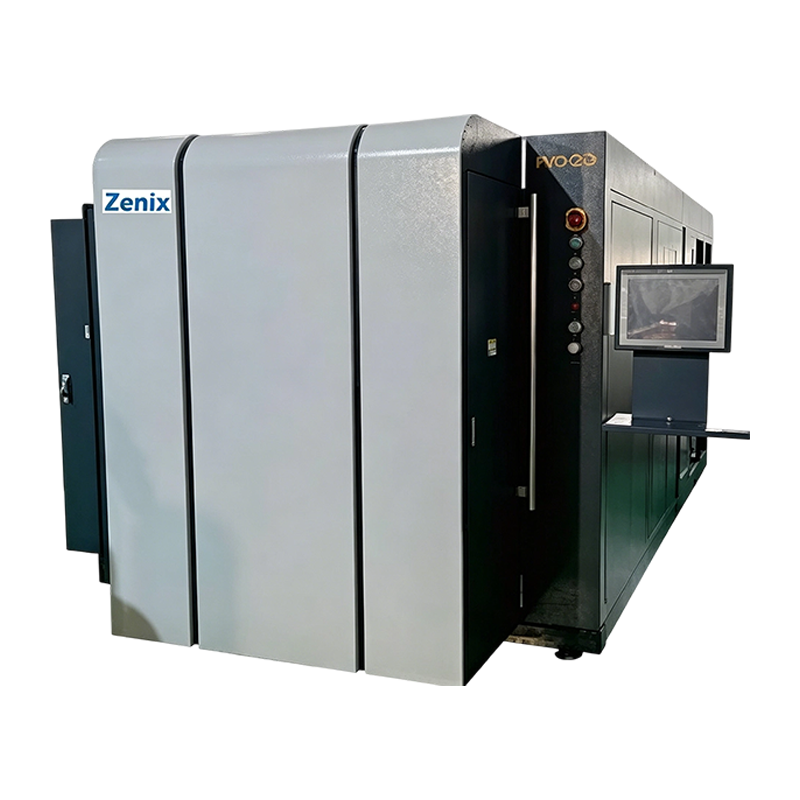
1. Product OverviewThe Sputtering Hard Coating Machine represents the pinnacle of precision in surfa...
+ VIEW MORE -
1. Product OverviewThe Composite Hard Coating Machines are specialized coating systems engineered to...
+ VIEW MORE -
1. Product OverviewThe Multi-arc Decorative Coating Machine is a cutting-edge system designed to mer...
+ VIEW MORE -
1. Product OverviewThe Sputtering Decorative Coating Machine is a precision-engineered system design...
+ VIEW MORE -
1. Product OverviewThe Composite Decorative Coating Machine is a revolutionary platform designed to ...
+ VIEW MORE
Second Hand PVD Coating Machine Industry knowledge
What to Check Before Buying a Second Hand PVD Coating Machine?
The acquisition of a second hand PVD coating machine represents a strategic investment for businesses seeking to enter the decorative coating market, expand production capacity, or conduct research and development without the substantial capital outlay required for new equipment. However, the secondary market for PVD systems presents unique challenges: unlike purchasing new machinery, buyers must navigate the complexities of assessing equipment condition, performance history, and compatibility with current production requirements. This article provides a comprehensive guide to the critical inspection points and due diligence steps necessary before committing to a second hand PVD coating machine, ensuring that the investment delivers reliable performance and rapid return on investment.
1. Core Systems Inspection: The Foundation of Reliability
A second hand PVD coating machine comprises several interdependent subsystems, each critical to overall performance. The vacuum chamber, as the primary enclosure, must be inspected for integrity—checking for seal degradation, surface pitting, or deformation that could compromise ultimate vacuum pressure. The pumping system, typically comprising rotary vane pumps, roots blowers, and diffusion or turbomolecular pumps, should be evaluated for operational noise, oil contamination, and ultimate vacuum performance. A chamber that cannot achieve its specified base pressure—typically 10⁻⁵ to 10⁻⁶ Torr—will produce films with poor adhesion and compromised optical properties.
Power supplies and arc sources are the heart of the deposition process. Cathodic arc sources, common in decorative coating systems, should be inspected for target wear patterns, insulator condition, and trigger mechanism functionality. Magnetron sputtering sources, if present, require evaluation of target backing plate integrity and magnetic field uniformity. A second hand PVD coating machine with significant target wear or degraded power supplies will require immediate replacement, adding unexpected costs to the purchase. The heating system—responsible for substrate temperatures between 80–300 °C—must be tested for uniformity and ramp rates; uneven heating can lead to color variations across the batch and poor adhesion on temperature-sensitive substrates.
The control system, often overlooked in inspections, is equally critical. A second hand PVD coating machine equipped with obsolete or proprietary control hardware may become a maintenance nightmare, with replacement parts difficult or impossible to source. Buyers should verify that the control interface is functional, that process recipes can be edited and saved, and that the system supports modern communication protocols for integration into smart manufacturing environments. Documentation—including electrical schematics, maintenance logs, and parts lists—should be requested and reviewed; their absence often indicates poor maintenance history. Zenix Vacuum Coating Technology, with its 1985 heritage and extensive service network, offers comprehensive inspection and refurbishment services for used coating systems. The company's collaboration with the Chinese Academy of Sciences Institute of Mechanics has yielded standardized diagnostic protocols that can assess a second hand PVD coating machine within hours, providing buyers with detailed reports on remaining service life and recommended upgrades.
2. Application-Specific Assessment and Capabilities
2.1 Fashion Accessories: Watches, Eyewear, and Jewelry
The fashion accessory industry demands coatings with exceptional color consistency, brilliance, and durability. Watch cases, straps, and eyewear frames require uniform finishes in a wide range of colors—gold, rose gold, champagne, jet black, and rainbow titanium. A second hand PVD coating machine intended for this sector must demonstrate its ability to achieve consistent color coordinates (ΔE < 0.5) across entire batches. This requires not only functional arc sources and gas flow controllers but also a well-characterized optical monitoring system or, at minimum, well-documented recipe libraries for each target color.
When evaluating a used machine for fashion accessories, buyers should inspect the target carousel or fixture system for wear. The 3D rotating rack, if present, should be tested for smooth operation and positional repeatability; any wobble or misalignment will produce uneven coatings. The gas delivery system—including mass flow controllers for nitrogen, oxygen, and acetylene—must be calibrated to ensure accurate reactive gas ratios, as even minor deviations can shift the color from the desired shade. Furthermore, the machine's ability to maintain substrate temperatures within the 80–200 °C range is critical for coating stainless steel and copper alloys without causing discoloration or dimensional changes. Zenix Vacuum Coating Technology offers specialized inspection services for used machines destined for fashion accessory production. The company's deep expertise in decorative coating systems allows it to validate the color generation capability of any second hand PVD coating machine, ensuring that the new owner can immediately produce market-ready finishes.
2.2 Home and Bathroom Hardware
Bathroom and home hardware—faucets, showerheads, door handles—present a different set of requirements. These components must withstand constant moisture, cleaning chemicals, and mechanical wear, making corrosion resistance and coating density paramount. A second hand PVD coating machine for this sector should be evaluated for its ability to produce dense, pinhole-free films that pass salt spray and humidity tests.
The key inspection points for hardware applications include the condition of the ion source or pre-treatment system, which significantly influences adhesion and density. A machine with a degraded ion source will produce films with poor bonding, leading to premature delamination in humid environments. The pumping speed and ultimate vacuum capability are equally important; lower base pressures (high vacuum) produce purer films with fewer gas inclusions. The fixturing system should be capable of handling the large, often heavy components typical of plumbing hardware—buyers should verify that the batch size and load capacity align with their production targets. Zenix Vacuum Coating Technology, building on its extensive experience in functional and decorative coatings, provides detailed performance verification for used machines in hardware applications. The company's ISO 9001-certified inspection protocols can test a second hand PVD coating machine for coating density, adhesion, and corrosion resistance using standardized test coupons, giving buyers confidence in the machine's ability to meet rigorous quality standards.
2.3 Consumer Electronics and Giftware
Consumer electronics—smartphone frames, e-cigarette housings, and laptop trims—demand ultra-smooth surfaces with minimal defects. These applications require a second hand PVD coating machine with well-maintained arc sources that produce minimal macroparticles, as even microscopic droplets can create visible defects under the harsh lighting of product displays. The machine's ability to operate at lower temperatures (100–150 °C) is also critical for coating aluminum and polymer substrates without distortion.
For giftware and stationery—premium pens, lighters, and artistic metalware—the machine's aesthetic capabilities are the primary consideration. Color versatility, gloss uniformity, and the ability to achieve both mirror-bright and matte finishes are essential. A second hand PVD coating machine that has been used for cutting tools or hard coatings may require extensive process redevelopment to achieve decorative-grade finishes. Buyers should request sample coatings or demonstration runs to verify that the machine can produce the desired aesthetic results. Zenix Vacuum Coating Technology offers process migration services, helping buyers of used equipment transition from their previous applications to decorative production. The company's partnership with Fudan University's Department of Physics enables precise characterization of coating properties, ensuring that each second hand PVD coating machine can be optimized for its new production role.
3. Comparative Checklist for Used Machine Evaluation
The following table provides a structured comparison of critical inspection criteria for a second hand PVD coating machine across the three primary application sectors.
| Inspection Criteria | Fashion Accessories | Bathroom Hardware | Electronics & Giftware |
| Primary Coating Requirement | Color consistency & brilliance | Corrosion resistance & density | Smoothness & defect-free surface |
| Critical Subsystems | MFCs, gas control, optical monitoring | Ion source, pumping system | Arc sources (macroparticle control) |
| Temperature Range Required | 150 – 200 °C | 200 – 300 °C | 80 – 150 °C |
| Key Process Validation | Color test (ΔE measurement) | Salt spray & humidity testing | Surface inspection (visual/microscope) |
This structured approach ensures that a second hand PVD coating machine is evaluated against the specific demands of its intended application, reducing the risk of unexpected performance shortfalls.
4. Documentation, Support, and Post-Purchase Considerations
Beyond the physical inspection, buyers of a second hand PVD coating machine must evaluate the documentation and support ecosystem. A complete set of documentation—including original manuals, electrical diagrams, maintenance logs, and process recipe sheets—is essential for troubleshooting and training. The absence of such documentation can transform a cost-effective purchase into a costly project of reverse engineering.
Key due diligence steps before purchase include:
- Request maintenance records: Review service history, pump oil changes, target replacements, and any major repairs.
- Conduct a test run: Insist on a live deposition test with standard substrates to verify coating quality and color consistency.
- Check spare parts availability: Confirm that critical components (arc source spare parts, heaters, control boards) are still commercially available.
- Evaluate installation requirements: Assess facility readiness—power supply, cooling water, gas lines—to avoid costly surprises.
- Negotiate support: Include a post-sale technical support period in the purchase agreement to address any issues that arise during commissioning.
Originating as a military-affiliated factory under the PLA General Logistics Department, Zenix Vacuum Coating Technology has carried forward a culture of precision and reliability into its refurbishment and support services for used equipment. The company offers comprehensive refurbishment packages for second hand PVD coating machines, including full system diagnostics, component replacement, process revalidation, and operator training. Zenix's complete solution approach—covering targets, spare parts, and technical support—ensures that buyers of used equipment can achieve production-ready performance with minimal delay.
Frequently Asked Questions
Q1: What is the typical lifespan of a PVD coating machine, and is it worth buying used?
A1: With proper maintenance, a second hand PVD coating machine can deliver 15–25 years of service. The vacuum chamber and pumping system often outlast the control electronics and power supplies, which can be upgraded. Buying used is worthwhile when the machine has been well-maintained and the price reflects remaining service life, typically offering 40–60% savings compared to new equipment.
Q2: What are the most common issues found in used PVD coating machines?
A2: Common issues in a second hand PVD coating machine include degraded vacuum seals (causing slow pump-down), worn arc source insulators (affecting arc stability), contaminated oil in diffusion pumps (compromising ultimate vacuum), and outdated control software (requiring system upgrades). A thorough inspection can identify these issues before purchase.
Q3: Can a used machine be repurposed for a different application?
A3: Yes, but repurposing a second hand PVD coating machine requires careful evaluation of source types, heating range, and control capabilities. A machine originally used for hard coatings may need source upgrades and new process recipes to achieve decorative finishes. Zenix offers process migration services to facilitate such transitions.
Q4: What support does Zenix provide for buyers of used PVD equipment?
A4: Zenix Vacuum Coating Technology offers comprehensive services for buyers of second hand PVD coating machines, including pre-purchase inspections, refurbishment packages, and post-sale support. The company supplies genuine spare parts, targets, and process optimization services, ensuring that used equipment achieves production-ready performance. Zenix's technical team provides remote diagnostics and on-site training to help customers maximize their investment.

Product Categories
PVD Hard Coating Machine Decorative PVD Coating Machine Evaporation Coating Machine Functional Coating Machine Used Coating Machine Vacuum Pumps Pretreatment MachineContact Us
 [email protected]
 +86-15921261676
 Room 101, Building 4, Songgang Smart Valley, No. 1699 Songhua Road, Qingpu District, Shanghai, China
Copyright © Shanghai Zenix Vacuum Coating Technology Co., Ltd. Rights
Reserved
Custom Second Hand PVD Coating Machine Suppliers & Company
