

 English
  Español
  عربى
عربى  русский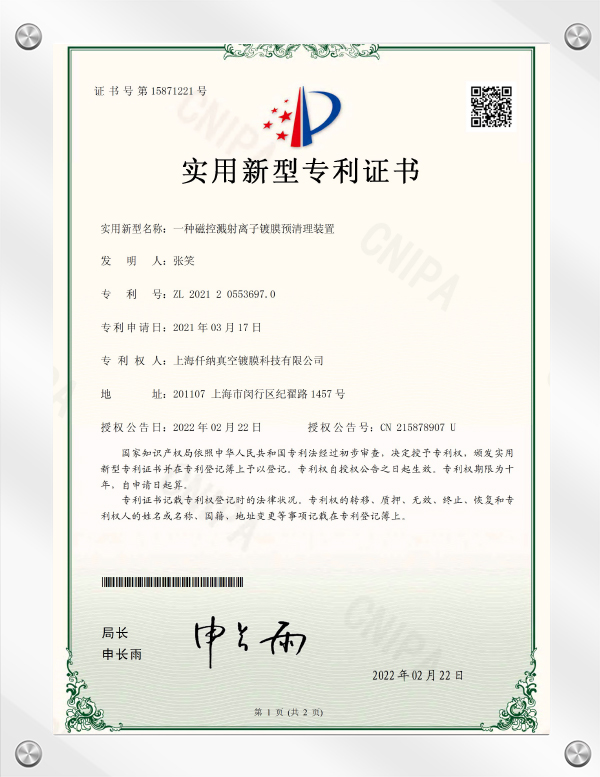
1. Product OverviewThe Multi-arc Hard Coating Machine is a high-performance vacuum deposition system...
+ VIEW MORE
Fully Automatic Plasma Polishing Machine
1. Product Overview
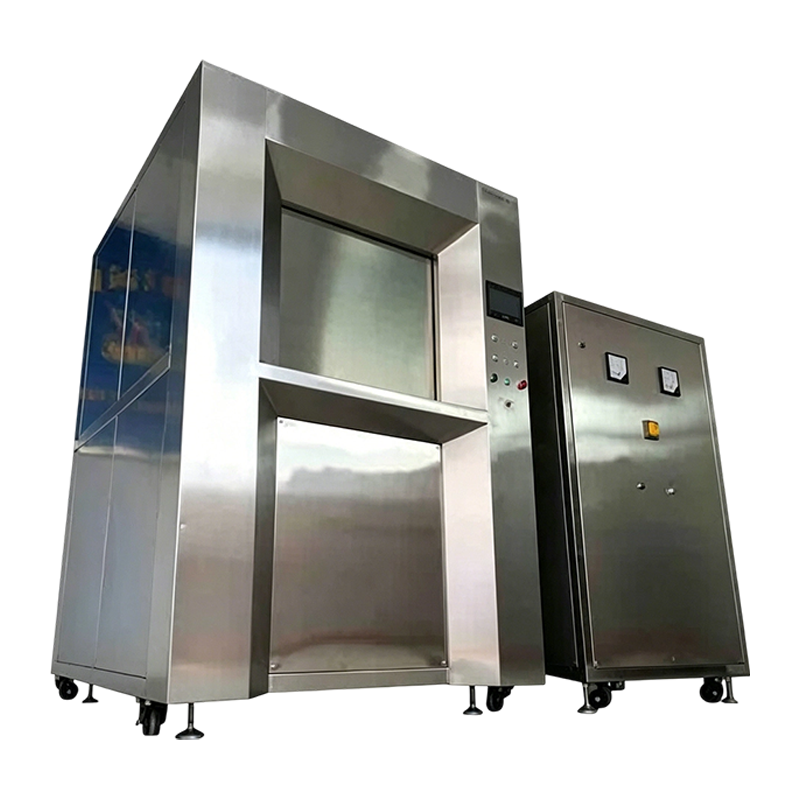
The Plasma Polishing Machine by Zenix is a high-end surface finishing system specifically engineered for metal substrates. Utilizing advanced plasma electrochemical principles, this machine delivers rapid and uniform polishing for metal components with complex geometries under a fully automated operating mode. Beyond achieving a mirror-like luster, it effectively eliminates surface burrs and micro-cracks, making it an essential tool for elevating product quality in the automotive and precision electronics industries.
2. Key Advantages
High-Efficiency Productivity: Boasting a production capacity of 10L/h, this system maintains stable output for large-scale industrial demands. Powered by a robust 20KW output, it ensures a fast and consistent finishing process.
Fully Automated Operation: The intelligent Automatic operating mode significantly reduces reliance on manual labor. Its User-friendly design philosophy makes machine operation and parameter setting intuitive and straightforward.
Superior Industrial Configuration:
Core Component Reliability: Equipped with premium bearings, gears, pumps, and motors, the system is built for long-term stability under 380 V industrial power.
Precision Filtration: Features a high-efficiency Cartridge Filter to trap impurities during the polishing process, protecting the electrolyte and ensuring consistent finishing results.
Flexible Physical Adaptability: The machine supports Customized Size configurations, allowing it to integrate seamlessly into existing production lines. Despite its solid 1000 kg build, it remains space-efficient with a coverage area of just 1.2 square meters.
Quality Assurance & Support: Every unit comes with a comprehensive Machinery Test Report and Video Outgoing-Inspection. Zenix provides a 6-month warranty, ensuring reliable technical support from the moment of installation.
3. Product Applications
Automotive Industry: Mirror polishing for engine precision parts, alloy wheels, and metallic interior trims.
Electronics Engineering: Surface finishing for smartphone frames, precision sensor housings, and semiconductor brackets.
Precision Hardware: Deburring and brightening of complex, irregularly shaped parts across various Metal substrates.
Medical Devices: Achieving dead-zone-free polishing for surgical instruments and implants requiring extreme surface smoothness.
About Zenix
Shanghai Zenix Vacuum Coating Technology Co., Ltd.
Zenix Vacuum Coating Technology was established in 1985 and is a high-tech enterprise specializing in the R&D, manufacturing, and process solutions of vacuum coating equipment.
Originally founded as the Shanghai Branch of PLA Factory 9570, the company has evolved over decades into a professional vacuum coating equipment manufacturer and solution provider serving the global market.
We provide complete vacuum coating solutions for customers worldwide, covering hard coatings, decorative coatings, and functional coating systems, including advanced technologies such as DLC and Ta-C. We are China Fully Automatic Plasma Polishing Machine Suppliers and Custom Fully Automatic Plasma Polishing Machine Company, In addition, we offer related spare parts, targets, and comprehensive technical support services.
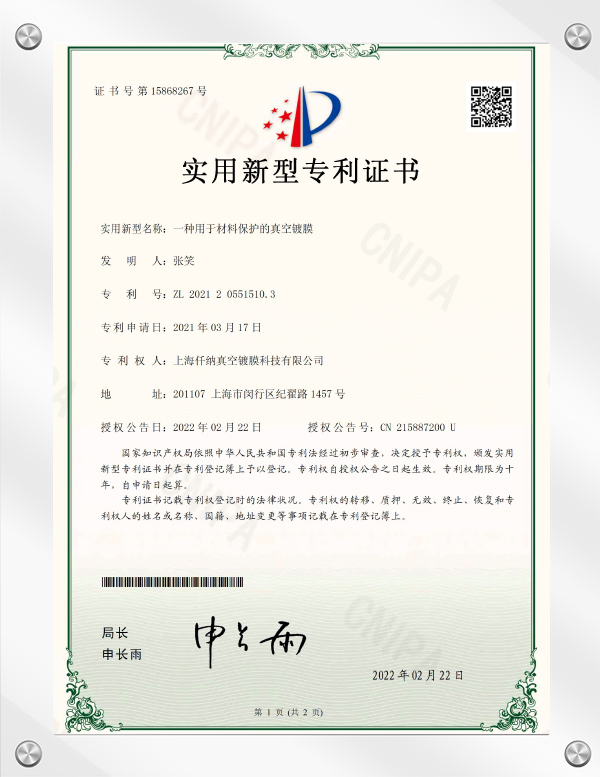
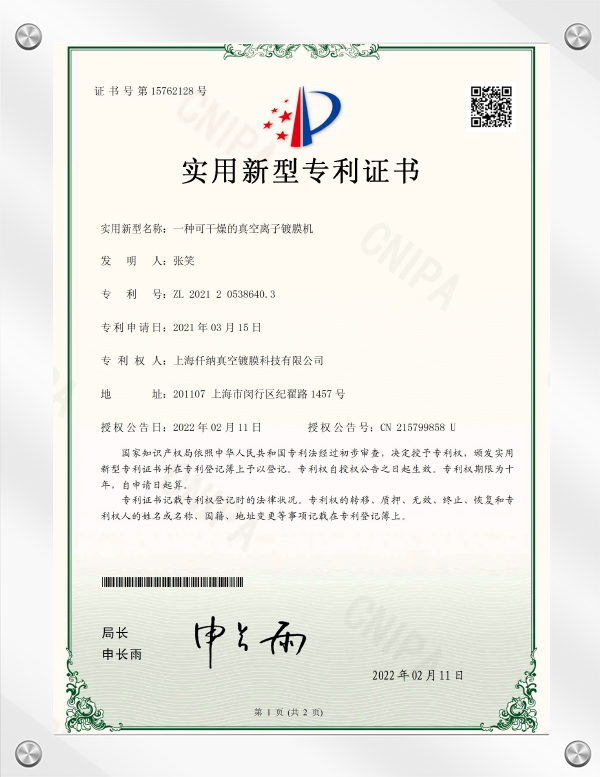
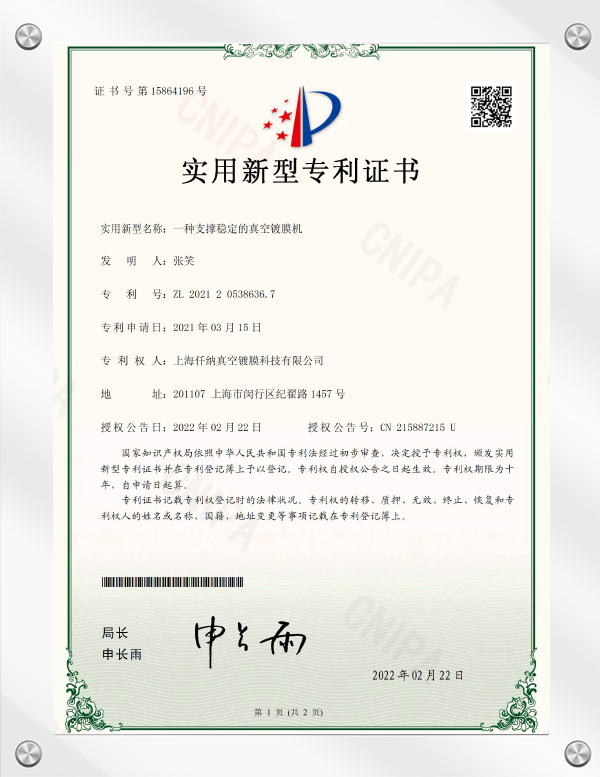
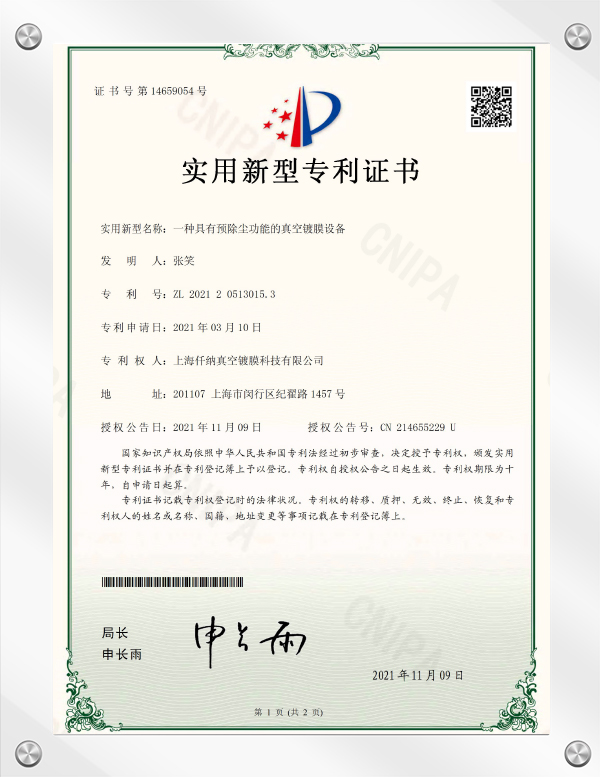
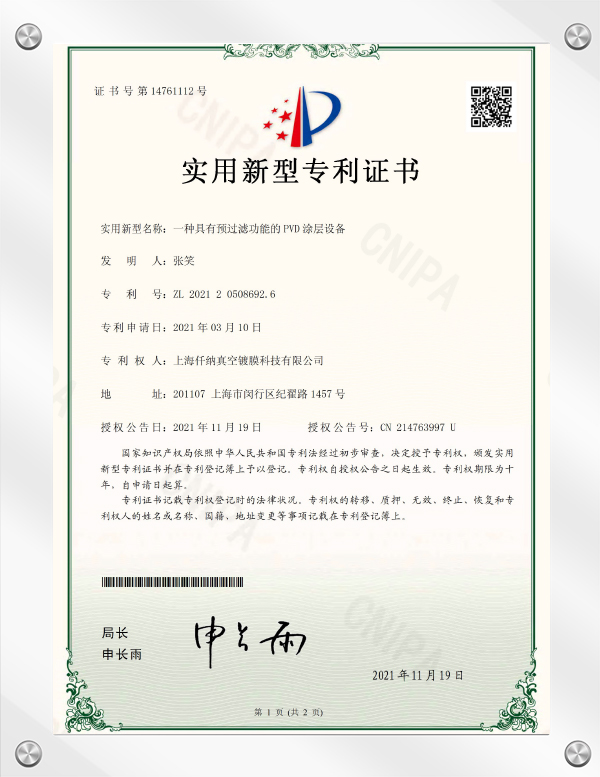
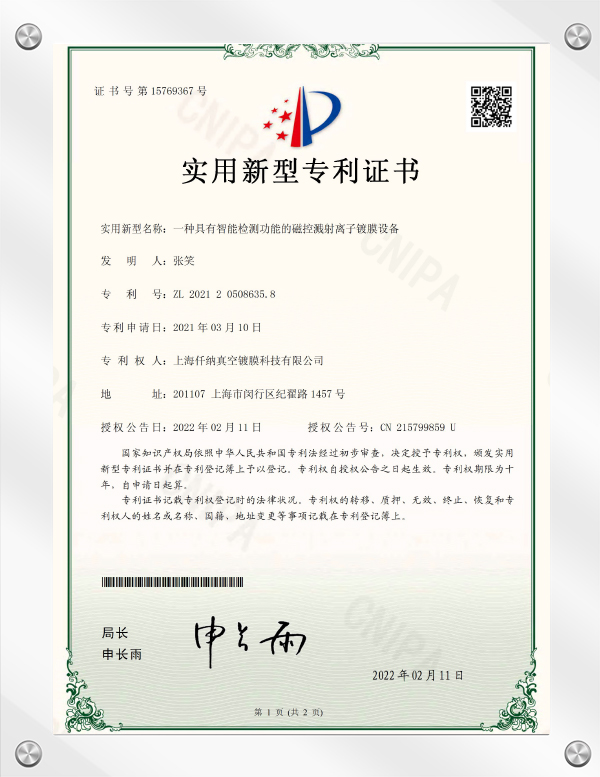
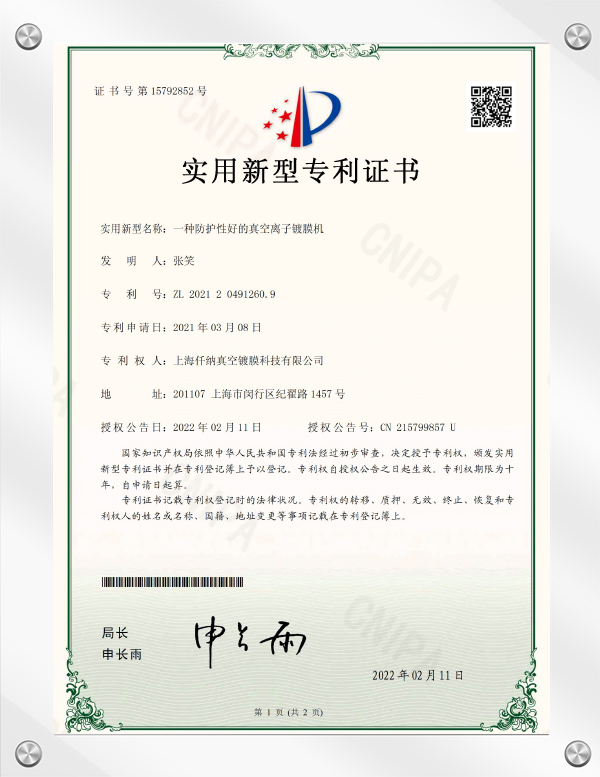
Certificate Of Honor
News & Information
Follow us for the latest company and industry news.
Related products
-
-
1. Product OverviewThe Sputtering Hard Coating Machine represents the pinnacle of precision in surfa...
+ VIEW MORE -
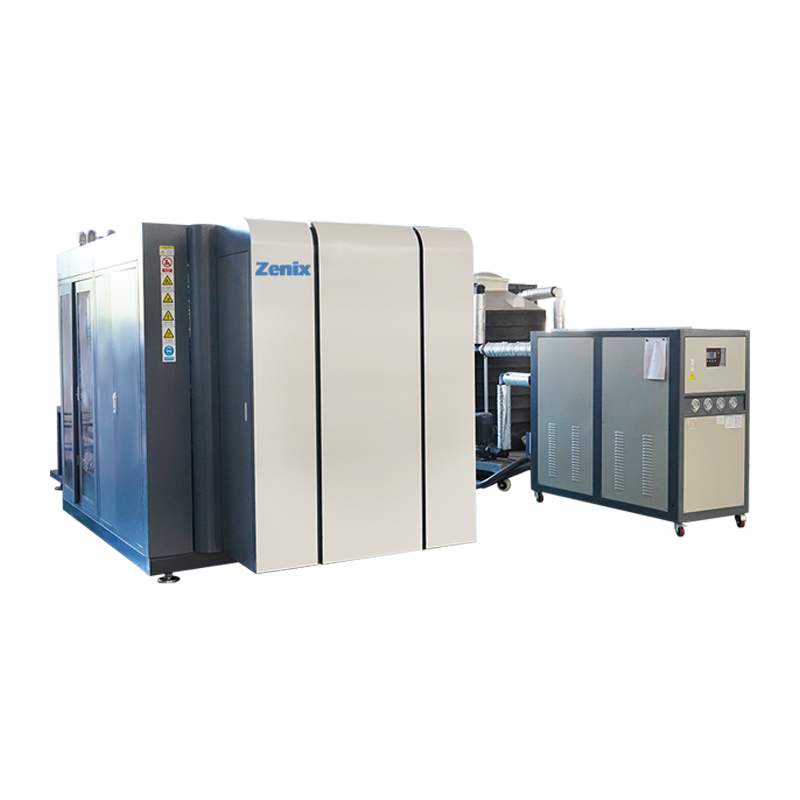
1. Product OverviewThe Composite Hard Coating Machines are specialized coating systems engineered to...
+ VIEW MORE -
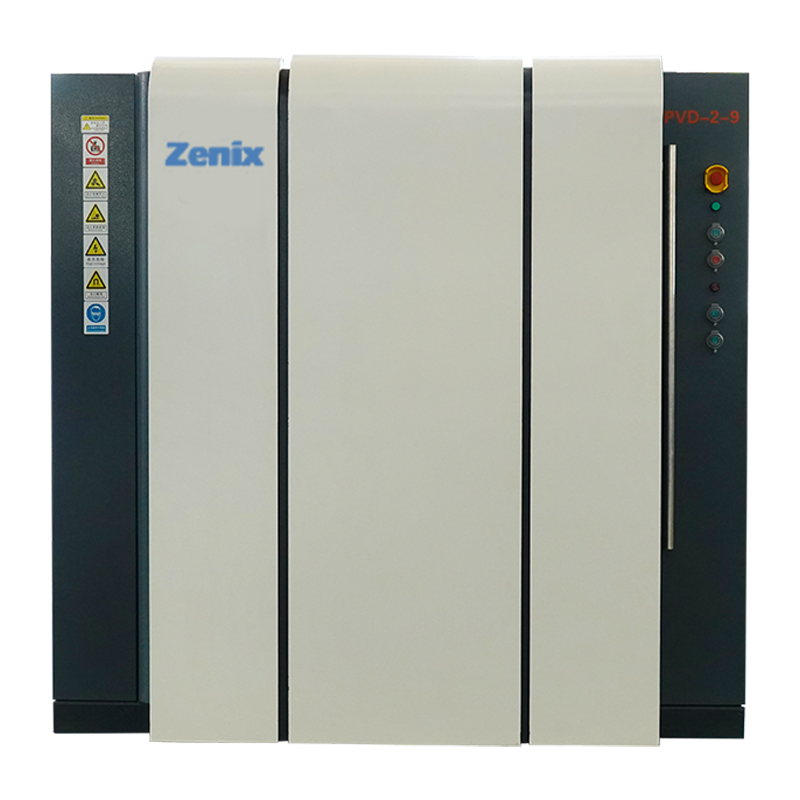
1. Product OverviewThe Multi-arc Decorative Coating Machine is a cutting-edge system designed to mer...
+ VIEW MORE -
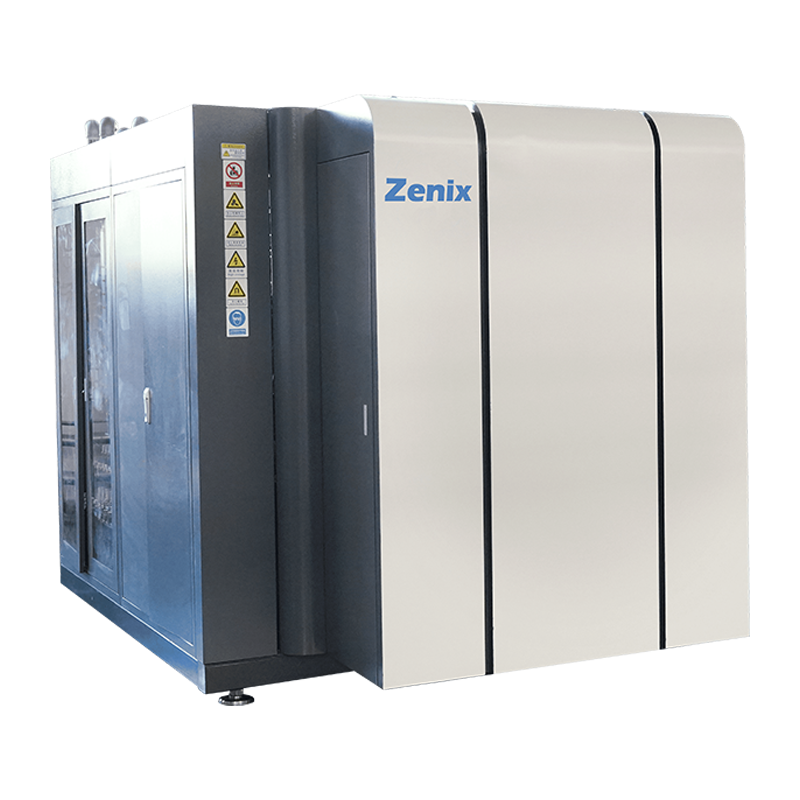
1. Product OverviewThe Sputtering Decorative Coating Machine is a precision-engineered system design...
+ VIEW MORE -
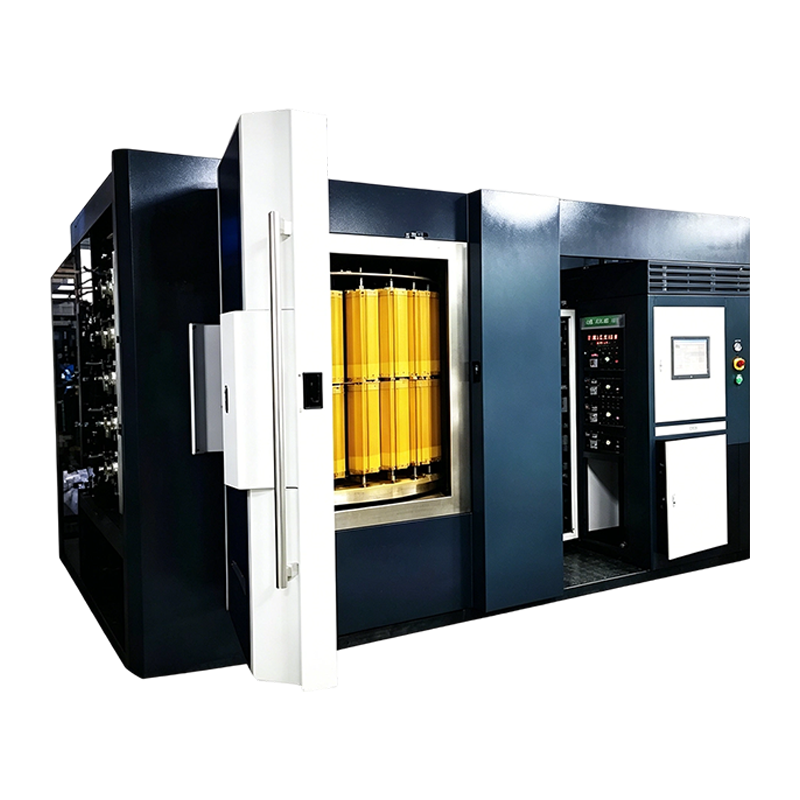
1. Product OverviewThe Composite Decorative Coating Machine is a revolutionary platform designed to ...
+ VIEW MORE
Fully Automatic Plasma Polishing Machine Industry knowledge
How Does a Fully Automatic Plasma Polishing Machine Work?
In modern precision manufacturing, the surface finish of metal components directly influences product performance, aesthetic appeal, and operational lifespan. Traditional mechanical polishing methods—grinding, buffing, and vibratory finishing—often fall short when dealing with complex geometries, internal cavities, or brittle materials that cannot withstand aggressive abrasion. A fully automatic plasma polishing machine addresses these limitations through an advanced electrochemical process that combines electrical plasma with controlled chemical dissolution. This technology delivers rapid, uniform, and burr-free surface finishing across a wide range of metal substrates, making it indispensable for industries ranging from automotive to medical devices. This article provides a comprehensive explanation of the working principles, process steps, and application-specific advantages of fully automatic plasma polishing machines, demonstrating why they have become the preferred solution for high-quality surface finishing.
1. Core Principles: How Plasma Polishing Works
A fully automatic plasma polishing machine operates on the principle of plasma electrochemical polishing, also known as electrolytic plasma polishing or plasma-assisted electrochemical machining. The process involves immersing the metal workpiece in a specially formulated electrolyte solution and applying a high-voltage direct current (typically 200–400 V) between the workpiece (anode) and a counter electrode (cathode). At these elevated voltages, a gaseous plasma envelope forms around the workpiece surface, generating intense localized heat and intense electrical fields.
The plasma layer serves multiple critical functions. First, the high-temperature plasma (localized temperatures can exceed 1,000 °C) vaporizes the electrolyte in the immediate vicinity of the workpiece surface, creating a vapor-gas interface. Second, the intense electrical field across this interface accelerates ions toward the workpiece surface, selectively removing surface protrusions—burrs, micro-roughness, and asperities—through a combination of electrical discharge, sputtering, and localized melting. Unlike mechanical polishing, which applies pressure and abrasion, the plasma process is non-contact, eliminating the risk of inducing residual stress, work hardening, or subsurface damage.
The "fully automatic" designation of the fully automatic plasma polishing machine refers to the intelligent control system that manages the entire process sequence: workpiece loading, electrolyte immersion, voltage ramping, plasma stabilization, polishing cycle execution, and workpiece unloading. The system monitors key parameters—voltage, current density, electrolyte temperature, and conductivity—in real time, dynamically adjusting process variables to maintain optimal polishing conditions. This automation ensures consistent results across batches, eliminates operator-dependent variability, and significantly reduces the training requirements for production personnel. Zenix Vacuum Coating Technology, with its 1985 heritage and deep expertise in precision surface engineering, has developed its fully automatic plasma polishing machines with an intuitive user interface that makes machine operation and parameter setting straightforward, while the robust 20 kW output power ensures fast and consistent finishing even for high-volume production.
2. Application-Specific Advantages Across Industries
2.1 Automotive Industry
The automotive industry demands surface finishes that combine visual excellence with functional performance. Engine precision parts, alloy wheels, and metallic interior trims must exhibit mirror-like reflectivity, corrosion resistance, and dimensional accuracy. A fully automatic plasma polishing machine delivers these requirements through its ability to achieve uniform polishing on complex geometries—including the intricate contours of alloy wheel spokes, the internal passages of fuel injector bodies, and the fine details of interior trim components.
The plasma polishing process removes surface defects—micro-cracks, machining marks, and burrs—without altering the part's critical dimensions. This is particularly valuable for engine components such as piston pins and valve lifters, where maintaining tight tolerances is essential for proper function. The non-contact nature of the process also eliminates the "corner rounding" that occurs with mechanical polishing, preserving sharp edges and defined feature profiles. The fully automatic plasma polishing machine from Zenix processes components at a production capacity of 10 liters per hour, supporting the high throughput demands of automotive supply chains. Zenix Vacuum Coating Technology has leveraged its extensive experience in surface engineering—covering hard coatings, decorative coatings, and functional systems—to refine its plasma polishing platforms specifically for automotive applications. The company's collaboration with industry partners has yielded optimized process recipes for aluminum, stainless steel, and titanium alloys commonly used in vehicle manufacturing.
2.2 Electronics Engineering
The consumer electronics sector places extraordinary demands on surface quality. Smartphone frames, precision sensor housings, and semiconductor brackets require surfaces that are not only aesthetically flawless but also free from contaminants that could interfere with assembly or electronic performance. A fully automatic plasma polishing machine addresses these requirements by producing a clean, oxide-free, and ultra-smooth surface that is ideal for subsequent coating processes—including the PVD decorative coatings that Zenix is renowned for.
The plasma process is particularly effective for eliminating burrs from stamped or CNC-machined electronic components. Micro-burrs, which are invisible to the naked eye but can cause short circuits or assembly interference, are reliably removed without mechanical force that could deform delicate structures. The high-efficiency cartridge filter system integrated into the fully automatic plasma polishing machine traps impurities and particles during the polishing process, protecting the electrolyte and ensuring consistent finishing results. Furthermore, the machine's customizable size configurations allow it to integrate seamlessly into existing electronics production lines, with a compact footprint of just 1.2 square meters despite its solid 1,000 kg construction. Zenix Vacuum Coating Technology, building on its partnership with Fudan University's Department of Physics, has developed plasma polishing parameters specifically optimized for the aluminum and stainless steel alloys used in electronic enclosures, ensuring that the finished components meet the stringent aesthetic and functional requirements of leading electronics brands.
2.3 Precision Hardware and Medical Devices
Precision hardware—complex, irregularly shaped parts for industrial machinery, aerospace, and specialized equipment—requires surface finishing that reaches all internal and external surfaces uniformly. A fully automatic plasma polishing machine excels in this application because the plasma field surrounds the workpiece entirely, polishing all exposed surfaces regardless of geometry. This capability is particularly valuable for components with blind holes, deep cavities, or intricate lattice structures that are inaccessible to mechanical polishing tools.
In the medical device sector, surface smoothness is not merely an aesthetic concern—it is a patient safety issue. Surgical instruments and orthopedic implants require dead-zone-free, ultra-smooth surfaces that prevent bacterial adhesion and tissue irritation. The plasma polishing process produces a surface with a typical roughness (Ra) below 0.05 µm, which is significantly smoother than mechanically polished surfaces. This smoothness also facilitates the application of functional coatings—such as the DLC and Ta-C coatings that Zenix provides—by providing an optimal substrate with high surface energy and cleanliness. The fully automatic plasma polishing machine comes with a comprehensive machinery test report and video outgoing inspection, ensuring that every unit meets the rigorous quality standards required for medical applications. Zenix provides a 6-month warranty and responsive technical support, ensuring reliable performance from the moment of installation.
3. Comparative Process Performance Across Applications
The following table compares the typical requirements and performance attributes of a fully automatic plasma polishing machine across the three primary application clusters discussed.
| Parameter | Automotive | Electronics Engineering | Precision Hardware & Medical |
| Typical Materials | Aluminum, stainless steel, titanium | Aluminum, copper alloys, stainless | Stainless steel, titanium, nitinol |
| Target Surface Roughness (Ra) | 0.05 – 0.15 µm | 0.02 – 0.08 µm | 0.02 – 0.05 µm |
| Critical Performance Metric | Gloss uniformity and corrosion resistance | Burr removal and cleanliness | Smoothness and biocompatibility |
| Typical Cycle Time | 3 – 8 minutes | 2 – 5 minutes | 4 – 10 minutes |
The table demonstrates that a fully automatic plasma polishing machine offers the flexibility to address each sector's unique demands—from the high throughput of automotive production to the ultra-smooth finish required for medical devices—all within a single, versatile platform equipped with advanced automation and process control.
4. Operational Advantages and Implementation Workflow
Beyond its technical capabilities, the fully automatic plasma polishing machine offers significant operational advantages that contribute to its growing adoption in modern manufacturing environments. The intelligent automatic operating mode significantly reduces reliance on manual labor, eliminating the operator fatigue and inconsistency that characterize mechanical polishing. The user-friendly design philosophy makes machine operation and parameter setting intuitive, enabling rapid operator training.
Key operational advantages include:
- High production capacity: The 10 liters/hour throughput supports large-scale industrial demands while maintaining stable output quality.
- Robust industrial construction: Premium bearings, gears, pumps, and motors ensure long-term reliability under 380 V industrial power conditions.
- Precision filtration: The high-efficiency cartridge filter traps impurities, protecting the electrolyte and ensuring consistent finishing results.
- Flexible integration: Customizable size configurations allow seamless integration into existing production lines with minimal floor space requirements.
- Comprehensive quality assurance: Every unit comes with a machinery test report and video outgoing inspection, with a 6-month warranty providing peace of mind.
Originating as a military-affiliated factory under the PLA General Logistics Department, Zenix Vacuum Coating Technology has carried forward a culture of precision and reliability into its surface finishing solutions. The company's fully automatic plasma polishing machines are designed to complement its comprehensive vacuum coating offerings—which include hard coatings, decorative coatings, and functional systems such as DLC and Ta-C—by providing the ideal substrate preparation essential for coating adhesion and performance. Zenix provides complete solutions from surface preparation through final coating, including spare parts, targets, and comprehensive technical support services, ensuring that customers achieve the highest possible product quality across their entire surface engineering workflow.
Frequently Asked Questions
Q1: What materials can be processed with a fully automatic plasma polishing machine?
A1: A fully automatic plasma polishing machine is suitable for a wide range of conductive metals, including stainless steel, aluminum, copper alloys, titanium, and nitinol. The process is particularly effective for materials that are difficult to polish mechanically, such as soft metals or materials with complex geometries.
Q2: How does plasma polishing compare to conventional mechanical polishing?
A2: The fully automatic plasma polishing machine offers several advantages over mechanical polishing: it is non-contact, eliminating residual stress and work hardening; it uniformly polishes complex geometries including internal surfaces; it removes micro-burrs and surface defects; and it is fully automated, ensuring consistent results without operator dependence. The process is also significantly faster for batch processing.
Q3: What is the typical surface roughness after plasma polishing?
A3: A fully automatic plasma polishing machine typically achieves surface roughness (Ra) values of 0.02–0.15 µm, depending on the initial surface condition and material. This is significantly smoother than mechanical polishing, which typically achieves Ra values of 0.1–0.5 µm, and provides an ideal surface for subsequent coating applications.
Q4: What support does Zenix provide for plasma polishing systems?
A4: Zenix Vacuum Coating Technology offers comprehensive support for its fully automatic plasma polishing machines, including installation supervision, operator training, process optimization, and ongoing technical support. The company provides spare parts and consumables, including electrolyte and cartridge filters, ensuring that customers can maintain consistent production quality. Every unit comes with a 6-month warranty and a machinery test report for confidence in performance.

Product Categories
PVD Hard Coating Machine Decorative PVD Coating Machine Evaporation Coating Machine Functional Coating Machine Used Coating Machine Vacuum Pumps Pretreatment MachineContact Us
 [email protected]
 +86-15921261676
 Room 101, Building 4, Songgang Smart Valley, No. 1699 Songhua Road, Qingpu District, Shanghai, China
