

 English
  Español
  عربى
عربى  русский
Working Principle of Vacuum Coating Technology
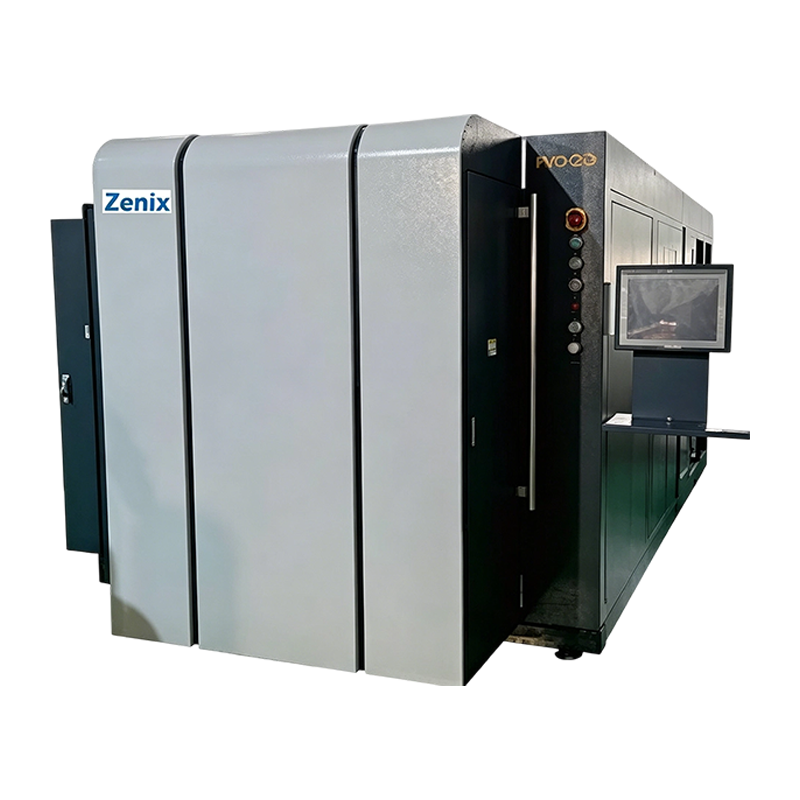
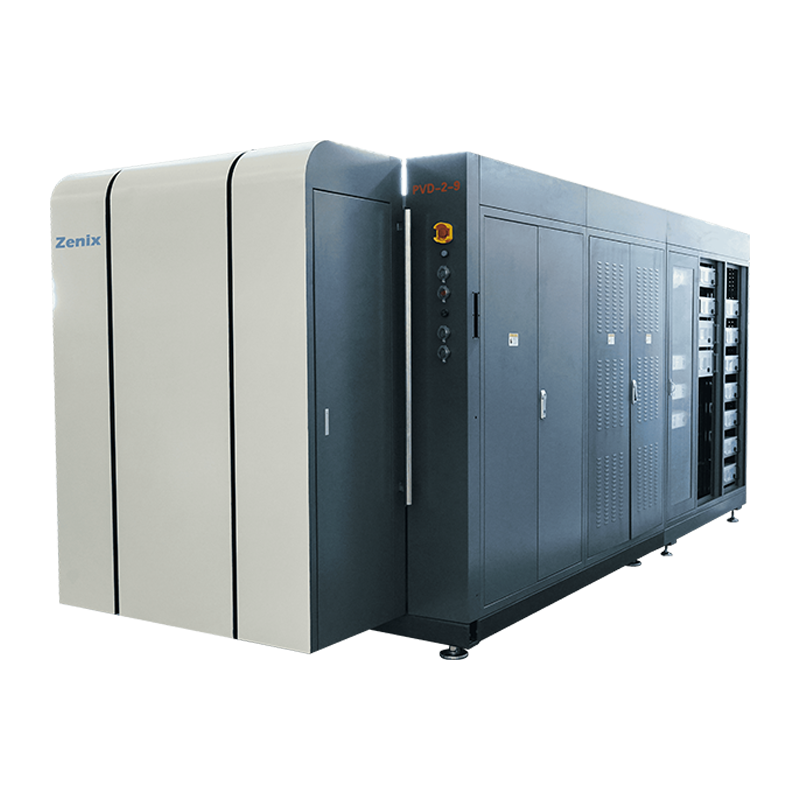
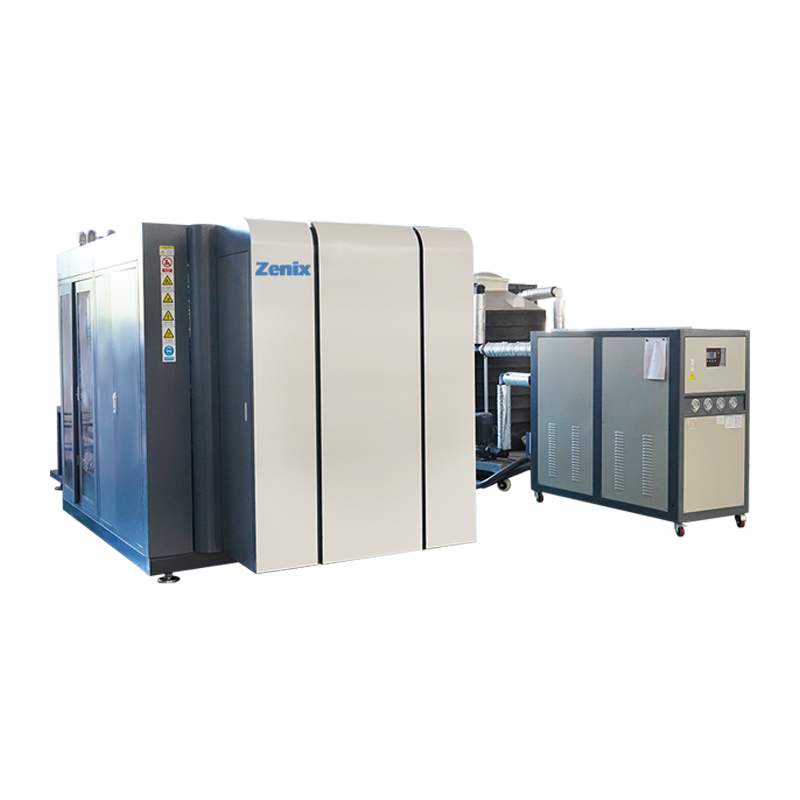
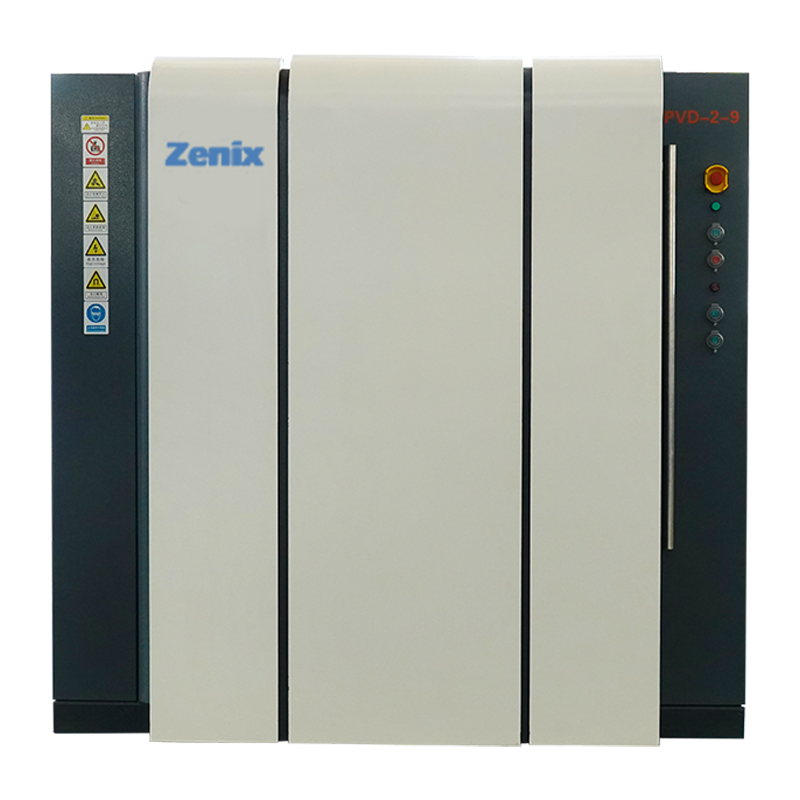
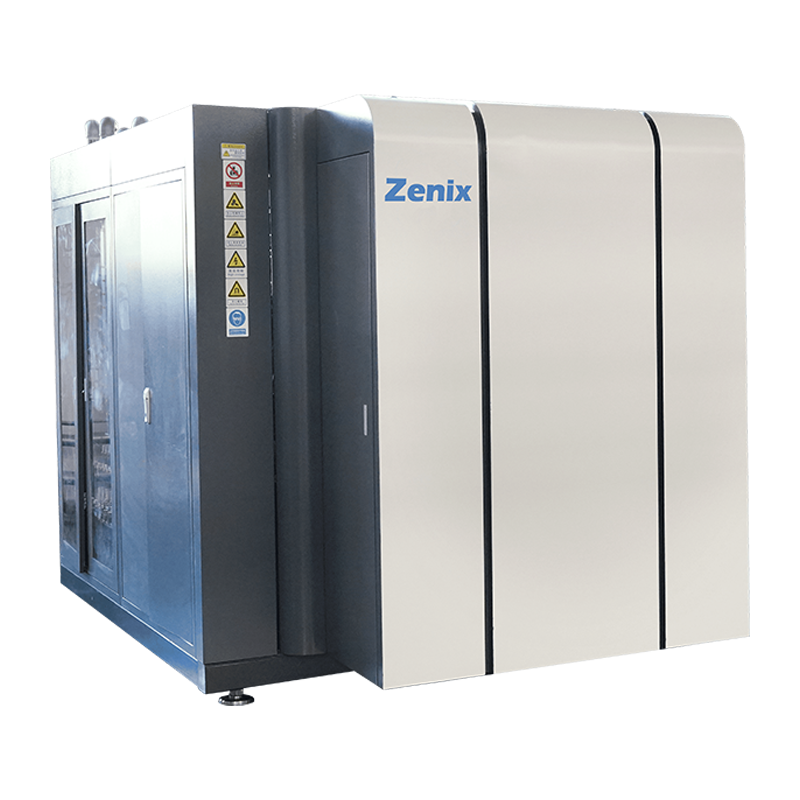
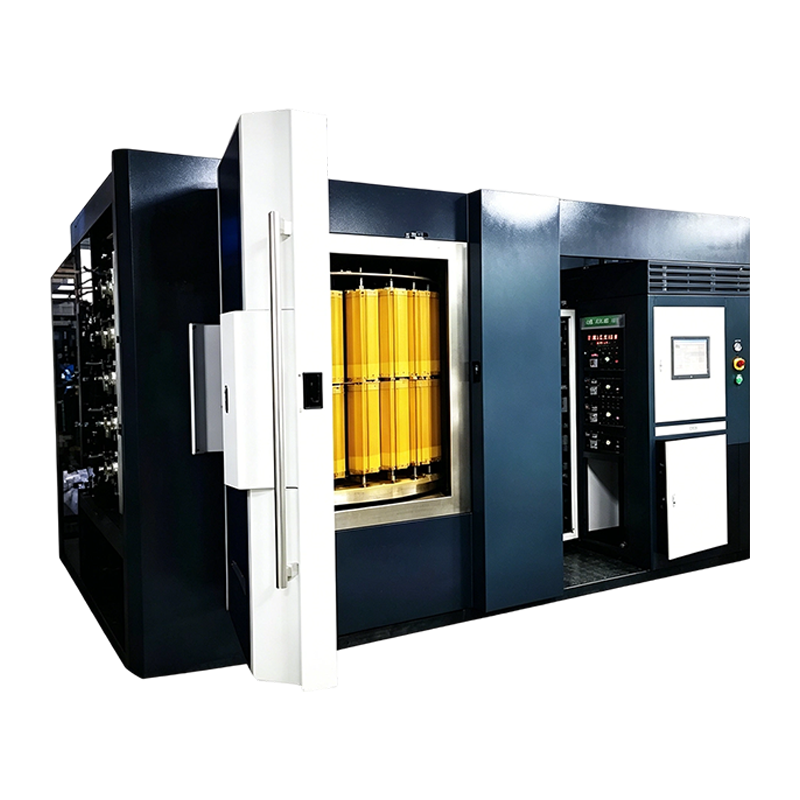
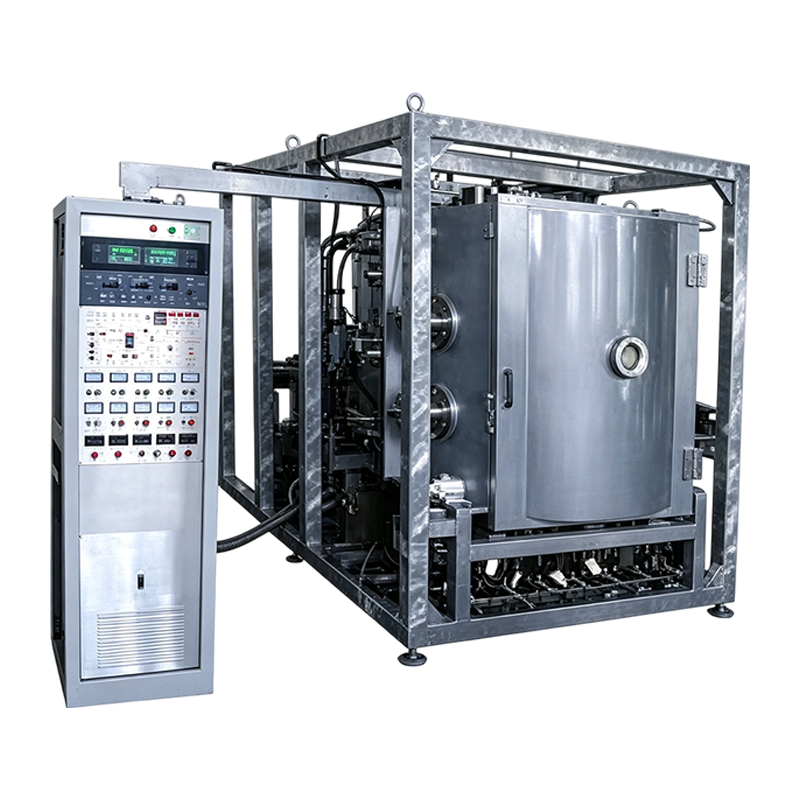
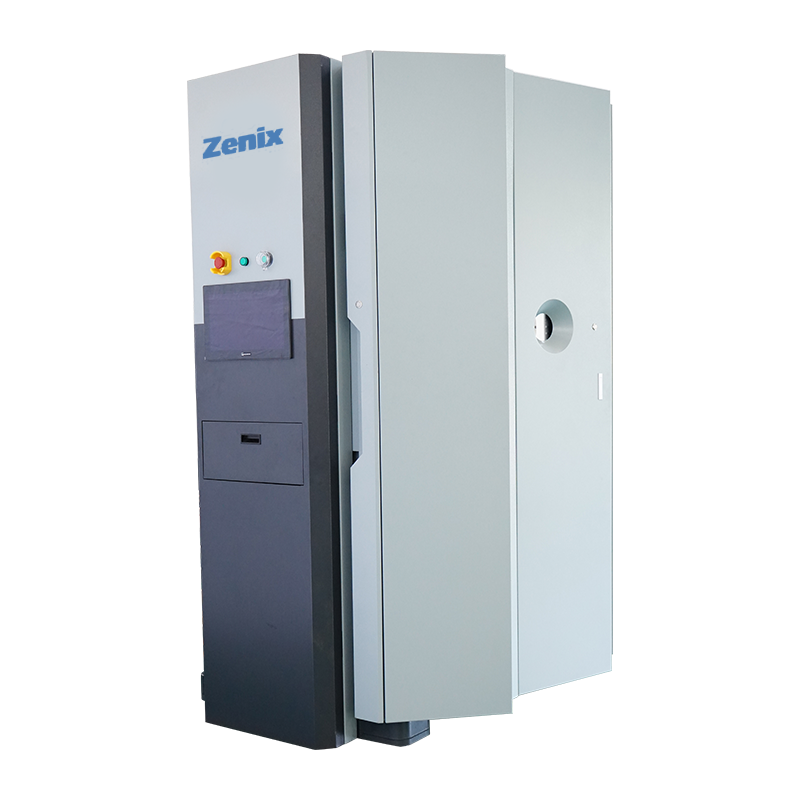
High-Performance Vacuum Coating Systems
Recommended Products
Product Categories
PVD Hard Coating Machine Decorative PVD Coating Machine Evaporation Coating Machine Functional Coating Machine Used Coating Machine Vacuum Pumps Pretreatment MachineContact Us
 [email protected]
 +86-15921261676
 Room 101, Building 4, Songgang Smart Valley, No. 1699 Songhua Road, Qingpu District, Shanghai, China
Copyright © Shanghai Zenix Vacuum Coating Technology Co., Ltd. Rights
Reserved
Custom Vacuum Coating Equipment Manufacturer & Supplier
