

 English
  Español
  عربى
عربى  русский
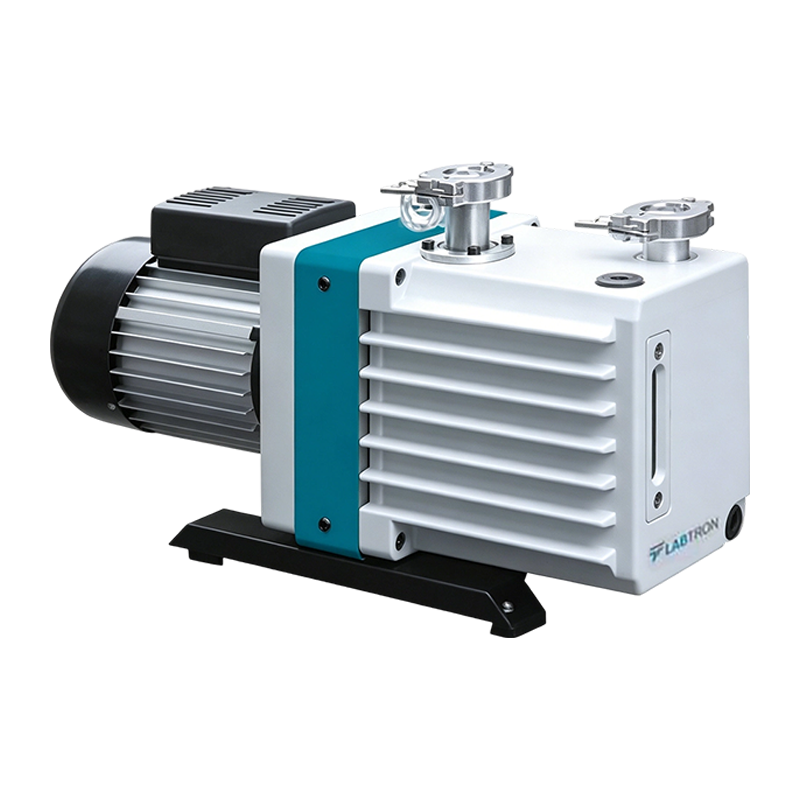
Mechanical Pump Foreline Pump
1. Product Overview
The Mechanical Pump / Foreline Pump serves as the vital "heart" of any PVD vacuum system. Zenix’s range of optional mechanical pumps is specifically engineered to rapidly reduce chamber pressure from atmospheric levels to high vacuum, providing a stable foreline environment for the entire pumping stack. It is a critical factor that dictates not only evacuation speed but also the ultimate coating uniformity, adhesion, and yield quality. For decorative, hard, or optical PVD applications, these pumps represent the fundamental guarantee of system stability.
2. Key Advantages
Superior Cost Performance: Delivering stable performance on par with premium European and American brands, Zenix pumps are priced at only 40–60% of their cost, ensuring a much faster ROI for your facility.
Reliability & Extreme Durability: Utilizing high-strength alloys and advanced heat treatment for core components, these pumps boast an average service life exceeding 20,000 hours, standing up to the rigors of continuous industrial use.
Energy Saving & Eco-Friendly: An optimized oil circuit and precision sealing design minimize energy consumption and emissions, effectively lowering your long-term operating costs and environmental footprint.
Exceptional Customization Capability: We offer tailor-made solutions for specific industrial requirements, including models optimized for high pumping speeds, ultra-low noise levels, or enhanced anti-corrosion properties.
Global Service Network: Zenix partners with leading manufacturers who maintain extensive service points across Southeast Asia, Europe, and North America, guaranteeing rapid delivery and responsive after-sales support worldwide.
3. Product Applications
Fast System Evacuation: Rapidly transitions chamber pressure from atmosphere to the 0.1~0.01 Pa range during the critical start-up phase.
Stable Process Environment: Maintains the necessary low-pressure vacuum during the coating cycle while preventing gas backflow to ensure process integrity.
Versatile Substrate Support: Seamlessly integrates with PVD equipment designed for stainless steel, tool steel, glass, and various plastic substrates.
Contamination Protection: Prevents oil vapor and particle backstreaming, preserving the purity and performance of the deposited thin films.
About Zenix
Shanghai Zenix Vacuum Coating Technology Co., Ltd.
Zenix Vacuum Coating Technology was established in 1985 and is a high-tech enterprise specializing in the R&D, manufacturing, and process solutions of vacuum coating equipment.
Originally founded as the Shanghai Branch of PLA Factory 9570, the company has evolved over decades into a professional vacuum coating equipment manufacturer and solution provider serving the global market.
We provide complete vacuum coating solutions for customers worldwide, covering hard coatings, decorative coatings, and functional coating systems, including advanced technologies such as DLC and Ta-C. We are China Mechanical Pump Foreline Pump Suppliers and Custom Mechanical Pump Foreline Pump Company, In addition, we offer related spare parts, targets, and comprehensive technical support services.
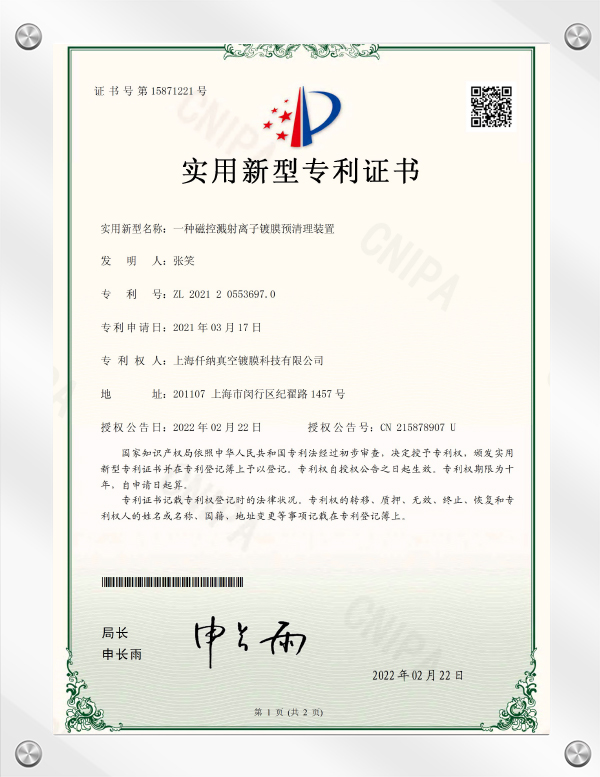
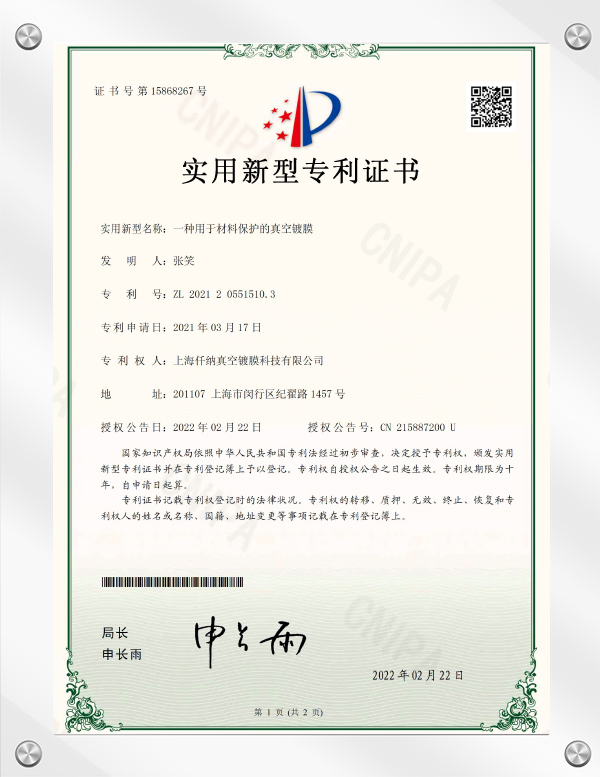
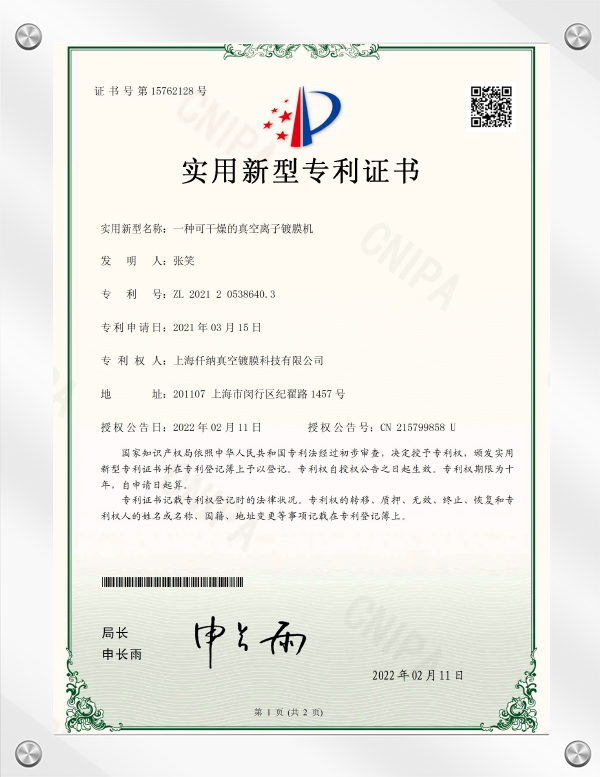
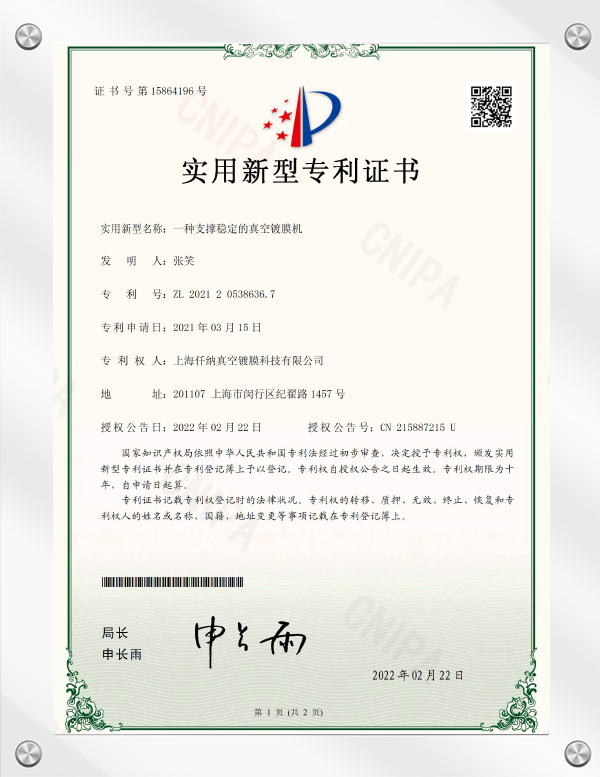
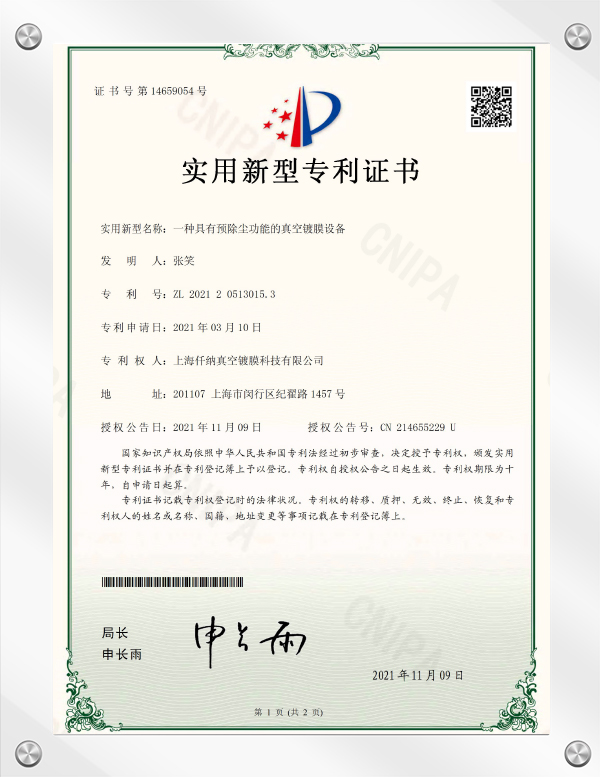
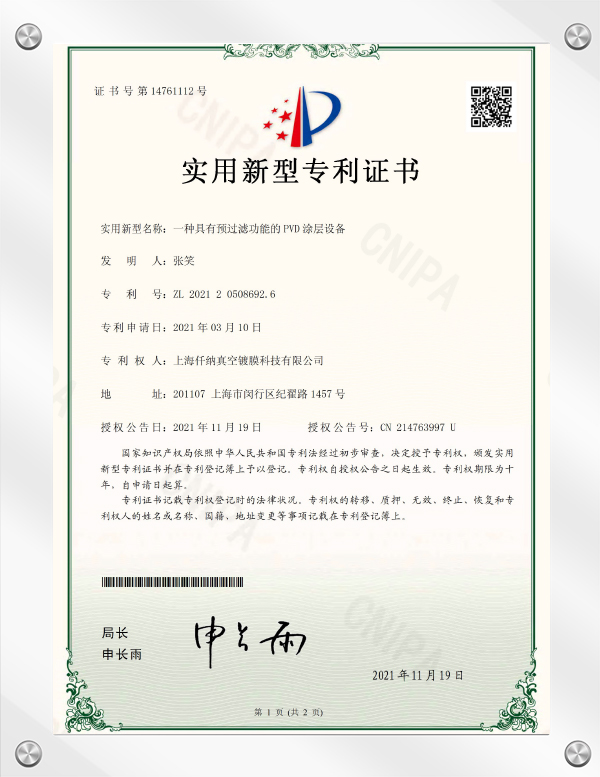
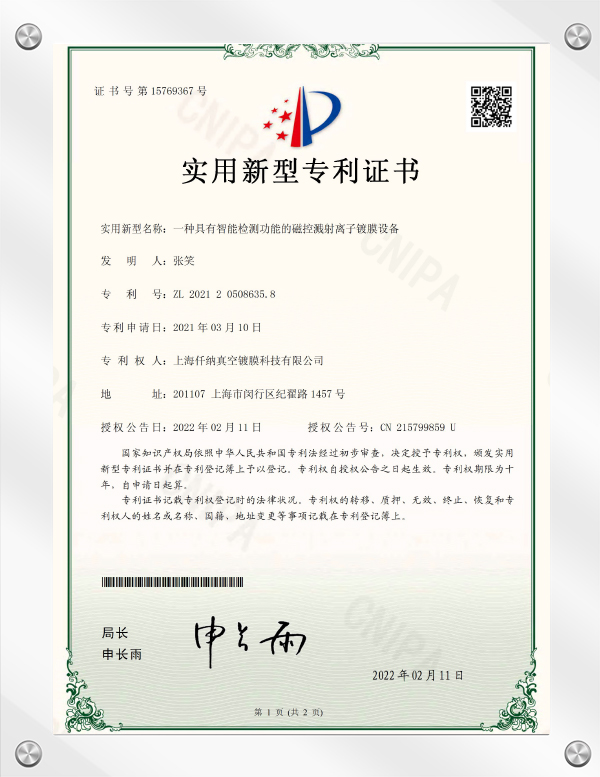
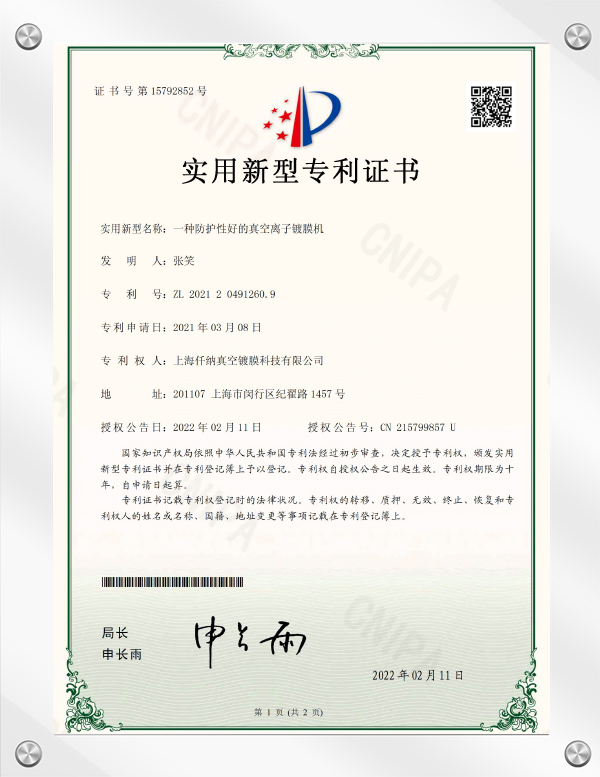
Certificate Of Honor
News & Information
Follow us for the latest company and industry news.
Mechanical Pump Foreline Pump Industry knowledge
How to Troubleshoot and Maintain Your Mechanical Foreline Pump?
In any PVD vacuum system, the mechanical foreline pump serves as the critical first stage of the pumping stack, responsible for reducing chamber pressure from atmospheric levels to the medium vacuum range—typically 0.1 to 0.01 Pa—before the high-vacuum pump (diffusion, turbomolecular, or cryogenic) takes over. As the "heart" of the vacuum system, a mechanical pump foreline pump must operate reliably under continuous industrial conditions, often running 24/7 for extended periods. However, like all mechanical equipment, these pumps are subject to wear, contamination, and performance degradation over time. Effective troubleshooting and preventative maintenance are essential to ensure consistent coating quality, minimize downtime, and protect the significant investment in the overall coating system. This article provides a systematic guide to diagnosing and addressing common issues with mechanical pump foreline pumps, along with best practices for extending service life.
1. Understanding the Role of the Foreline Pump in PVD Systems
A mechanical pump foreline pump—typically an oil-sealed rotary vane or roots pump—performs several critical functions in a PVD coating system. First, it provides the initial roughing stage, rapidly evacuating the chamber from atmospheric pressure to the crossover pressure where the high-vacuum pump can be activated. Second, during the coating process, it maintains the foreline pressure required for the proper operation of the high-vacuum pump, ensuring stable pressure conditions throughout the deposition cycle. Third, it prevents backstreaming of oil vapor and process gases into the chamber, preserving the purity and integrity of the deposited thin films.
The performance of a mechanical pump foreline pump directly impacts coating quality. Insufficient pumping speed or degraded ultimate pressure can lead to longer cycle times, residual gas contamination that compromises film adhesion, and inconsistent deposition rates. In decorative coating applications, pressure fluctuations during deposition can cause color shifts; in hard coating applications, residual oxygen or water vapor can oxidize the film and reduce hardness. Therefore, maintaining the foreline pump in optimal condition is not merely a maintenance task—it is a quality assurance function. Zenix Vacuum Coating Technology, with its 1985 heritage and deep expertise in vacuum system integration, offers mechanical pump foreline pumps designed specifically for the rigorous demands of PVD coating. The company's partnerships with leading pump manufacturers ensure that its pumps deliver performance on par with premium European and American brands, priced at only 40–60% of the cost—ensuring a faster ROI for coating facilities.
2. Common Issues and Troubleshooting Techniques
2.1 Slow Pump-Down or Insufficient Ultimate Vacuum
One of the most frequent complaints with a mechanical pump foreline pump is extended pump-down time or failure to achieve the specified base pressure. This condition typically indicates one of several underlying issues: oil contamination, worn vanes or seals, or degraded pump oil. Oil contamination—caused by process gases condensing in the pump oil—reduces the pump's effective pumping speed and ultimate vacuum capability. This is particularly common in processes that involve reactive gases (oxygen, nitrogen, acetylene) or produce volatile byproducts.
Troubleshooting slow pump-down begins with checking the pump's ultimate pressure using a calibrated vacuum gauge at the pump inlet. If the ultimate pressure is higher than the manufacturer's specification (typically below 5×10⁻² Pa for a two-stage pump), the oil should be inspected for discoloration, haze, or particle contamination. Oil that appears milky or contains suspended particles should be drained and replaced with fresh oil of the correct grade. The oil filter and inlet strainer should also be inspected and cleaned or replaced. Additionally, a mechanical pump foreline pump that has been running hot due to inadequate cooling or high ambient temperature may experience oil degradation at an accelerated rate, so checking the cooling system is essential.
2.2 Excessive Noise or Vibration
A mechanical pump foreline pump operating with abnormal noise or vibration is a warning sign that requires immediate attention. Causes range from simple issues—loose mounting bolts or misaligned couplings—to more serious problems such as worn bearings, damaged vanes, or internal contamination. The pump should be isolated from the process and inspected: check the coupling alignment and condition, verify that the motor and pump are securely mounted, and examine the oil level and condition.
Persistent vibration despite these checks suggests internal wear. Rotary vane pumps have vanes that slide within the rotor; over time, these vanes wear and can become stuck or break. The pump should be disassembled for inspection of the vanes, rotor, and cylinder bore. For a mechanical pump foreline pump with a service life exceeding 20,000 hours—a benchmark achieved by Zenix pumps through the use of high-strength alloys and advanced heat treatment—routine overhaul intervals should be scheduled to replace worn components before they cause catastrophic failure. Zenix's global service network, with support points across Southeast Asia, Europe, and North America, ensures that replacement parts and technical assistance are readily available for its mechanical pump foreline pumps, minimizing production interruptions.
2.3 Oil Leakage and Oil Carryover
Oil leakage from a mechanical pump foreline pump not only creates a safety and housekeeping hazard but also indicates seal degradation. Common leak points include shaft seals, O-ring seals on drain plugs and fill ports, and gaskets between the pump housing and end plates. Leaking oil can contaminate the foreline plumbing and, in severe cases, can be drawn into the high-vacuum pump, causing performance degradation.
Oil carryover—where oil vapor or droplets migrate from the pump into the foreline—is a more insidious problem. This is often caused by high oil levels, excessive gas load, or a malfunctioning oil mist eliminator. A properly maintained mechanical pump foreline pump should have an effective oil mist filter that traps oil particles and returns condensed oil to the pump reservoir. If oil carryover is detected, the mist eliminator should be inspected and replaced if necessary. The oil level should be checked and adjusted to the correct level—typically halfway up the sight glass when the pump is running. For PVD applications requiring high film purity, Zenix offers mechanical pump foreline pumps with optimized oil circuit and precision sealing designs that minimize energy consumption and emissions, effectively lowering long-term operating costs and environmental footprint.
3. Preventative Maintenance Best Practices
A structured preventative maintenance program is the most effective way to ensure the reliability of a mechanical pump foreline pump. The following table outlines recommended maintenance intervals and actions based on operating conditions.
| Maintenance Task | Interval (Light Duty) | Interval (Heavy Duty) | Critical Indicators |
| Oil level and condition check | Weekly | Weekly | Discoloration, opacity, level drop |
| Oil change | 1,500 hours | 1,000 hours | Viscosity change, acid number increase |
| Oil filter replacement | 1,500 hours | 1,000 hours | Pressure drop, visible contamination |
| Shaft seal inspection | 3,000 hours | 2,000 hours | Leakage signs, oil weepage |
| Complete overhaul | 20,000 hours | 12,000 hours | Vane wear, bearing play, performance loss |
Key preventative maintenance practices include:
- Use the correct oil grade: Always use oil specifically formulated for vacuum pumps—typically mineral-based or synthetic oils with low vapor pressure. Using standard industrial oils can lead to high vapor pressure and oil backstreaming.
- Monitor operating temperature: A mechanical pump foreline pump should operate within its specified temperature range (typically 70–90 °C at the pump body). Operating above this range accelerates oil degradation; below this range risks oil condensation and corrosion.
- Install inlet traps: For processes that produce particulates or reactive byproducts, an inlet particulate filter or chemical trap should be installed to protect the pump from contamination.
- Periodic gas ballast operation: If the pump handles condensable vapors, operate the gas ballast periodically to flush contaminants from the oil and maintain pumping speed.
Originating as a military-affiliated factory under the PLA General Logistics Department, Zenix Vacuum Coating Technology has carried forward a culture of precision and reliability into its pump solutions. The company's mechanical pump foreline pumps are engineered with high-strength alloys and advanced heat treatment, boasting an average service life exceeding 20,000 hours—standing up to the rigors of continuous industrial use. Zenix offers tailor-made solutions for specific industrial requirements, including models optimized for high pumping speeds, ultra-low noise levels, or enhanced anti-corrosion properties, ensuring that each customer receives a pump perfectly matched to their process needs.
4. Systematic Troubleshooting Workflow
When performance issues arise, a systematic approach to troubleshooting a mechanical pump foreline pump will identify the root cause efficiently and minimize downtime. The following workflow is recommended:
- Verify the basics: Check that the pump is receiving adequate cooling water/air, that power supply is stable, and that the inlet and outlet connections are secure and not blocked.
- Measure ultimate pressure: Isolate the pump from the system and measure the ultimate pressure at the inlet using a calibrated vacuum gauge. Compare with the manufacturer's specification.
- Inspect oil condition: Check oil level, color, and consistency. Drain a small sample for inspection—if it appears milky, hazy, or contains particulates, an oil change is required.
- Check for leaks: Perform a leak check on the pump itself using a helium leak detector or by isolating and monitoring pressure rise. Common leak points include seals, gaskets, and valve ports.
- Listen and feel: Unusual sounds or vibration indicate mechanical wear—vanes, bearings, or coupling issues. If present, disassemble and inspect.
- Review process conditions: Consider whether recent changes in process gas chemistry, gas load, or operating temperature could have affected pump performance.
Following this workflow will resolve the majority of mechanical pump foreline pump issues without requiring external assistance. Zenix's global service network, with extensive support points across Southeast Asia, Europe, and North America, guarantees rapid delivery of replacement parts and responsive after-sales support—ensuring that coating facilities can maintain production continuity even when more significant pump issues arise.
Frequently Asked Questions
Q1: How often should I change the oil in my mechanical foreline pump?
A1: For a mechanical pump foreline pump, oil change intervals depend on operating conditions. Under light duty (clean processes, low gas loads), change oil every 1,500 operating hours. Under heavy duty (reactive gases, high particulate loads), change every 1,000 hours. Always inspect oil condition weekly—if it appears milky, dark, or contains visible particles, change it immediately regardless of hours.
Q2: What causes oil carryover into the foreline?
A2: Oil carryover from a mechanical pump foreline pump is typically caused by overfilled oil, a malfunctioning oil mist eliminator, or excessive gas load. Check oil level when the pump is running—it should be at the midpoint of the sight glass. Inspect and replace the oil mist eliminator annually or more frequently if process gases are aggressive.
Q3: Can I use any oil in my vacuum pump?
A3: No. A mechanical pump foreline pump requires oil specifically formulated for vacuum applications—typically with low vapor pressure and high oxidation stability. Using standard industrial oil will increase the ultimate pressure due to oil vapor and can cause premature vane wear. Zenix recommends only the oil grades specified for its pump models.
Q4: What support does Zenix provide for mechanical foreline pumps?
A4: Zenix Vacuum Coating Technology offers comprehensive support for its mechanical pump foreline pumps, including installation guidance, preventative maintenance schedules, and a global network of service centers for rapid parts replacement and technical assistance. The company provides genuine spare parts, including vanes, seals, filters, and oil, ensuring that customers can maintain peak pump performance over the pump's extended service life.

Product Categories
PVD Hard Coating Machine Decorative PVD Coating Machine Evaporation Coating Machine Functional Coating Machine Used Coating Machine Vacuum Pumps Pretreatment MachineContact Us
 [email protected]
 +86-15921261676
 Room 101, Building 4, Songgang Smart Valley, No. 1699 Songhua Road, Qingpu District, Shanghai, China
Copyright © Shanghai Zenix Vacuum Coating Technology Co., Ltd. Rights
Reserved
Custom Mechanical Pump Foreline Pump Suppliers & Company
